Tag: English Articles

  • Uterine Fibroid Embolization Success Rate

    Uterine Fibroid Embolization Success Rate

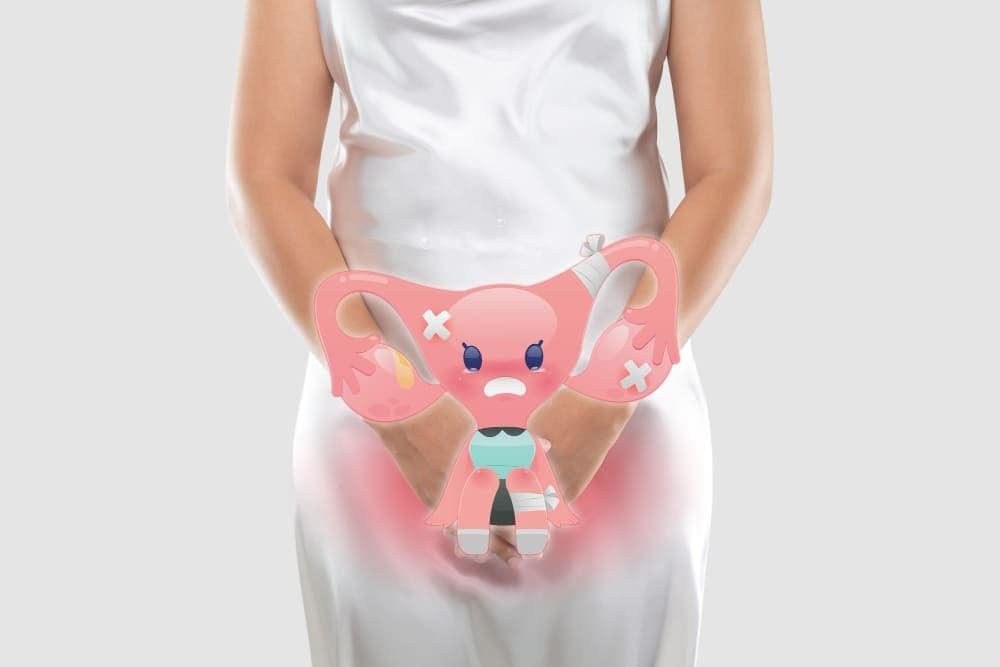
    The uterine fibroid embolization success rate tells patients how effectively UFE relieves symptoms like heavy bleeding, pelvic pain, and bulk pressure while preserving the uterus and avoiding surgical removal.
    Uterine Fibroid Embolization Success Rate

    Why Success Rate Matters in Fibroid Treatment

    Women facing uterine fibroids have options: medication, myomectomy, hysterectomy, or uterine fibroid embolization (UFE).

    Choosing the right procedure can shape fertility, recovery time, and long-term health. So knowing which treatment works — and how well — truly matters.

    UFE has become a popular minimally invasive treatment because it:

    • Shrinks fibroids
    • Relieves symptoms
    • Preserves the uterus
    • Avoids major surgery
    • Allows faster recovery

    But how successful is it really? Let’s break down the data clearly and simply. 💛

    What Is the Uterine Fibroid Embolization Success Rate?

    Evidence from clinical studies shows:

    UFE is successful in relieving fibroid symptoms in 85%–92% of patients.

    Most women experience major improvement in:

    • Heavy bleeding
    • Pelvic pressure
    • Pain
    • Bulk-related symptoms
    • Menstrual irregularities

    For many, UFE is an effective procedure offering long-term relief.

    This makes UFE a strong alternative to hysterectomy and myomectomy, especially for women wanting to avoid the removal of the uterus.

    How UFE Works — And Why It’s So Effective

    UFE works by:

    • Guiding a tiny catheter into uterine arteries
    • Blocking blood supply to fibroids
    • Causing tumors to shrink over time
    • Relieving symptoms gradually over months

    It is performed by a specialized interventional radiologist using X-ray imaging for precision.

    Unlike surgical removal of individual fibroids, UFE can treat multiple fibroids at once, including deep or hard-to-reach tumors.

    That is one reason the success rates of UFE are so high — it targets the root problem, not just one fibroid.

    Success Rates Compared to Other Fibroid Treatments

    TreatmentSuccess RateNotes
    UFE85%–92%Minimally invasive, uterus preserved
    Myomectomy80%–90%Surgical removal, recurrence risk
    Hysterectomy98%+Removes uterus, not for future fertility
    MedicationTemporary reliefSymptoms often return

    UFE provides success comparable to surgery for symptomatic fibroids — without major surgical risks. ✅

    UFE and Fertility Outcomes

    UFE is considered uterus-preserving, but patients planning future pregnancy should discuss options carefully.

    Some evidence shows UFE can support successful pregnancies in selected cases, while myomectomy remains standard for fertility-focused treatment.

    Dr. Samir evaluates each case individually to determine the safest approach for fertility preservation.

    Recovery & Long-Term Results

    عملية الياف الرحم

    One reason UFE is loved by patients is the shorter recovery time:

    • Same-day discharge or overnight stay
    • Back to routine activities in 7–10 days
    • Gradual symptom improvement over 3–6 months

    Long-term success rates remain high, with most women reporting sustained relief years later.

    Repeat treatment is only needed in 8%–15% of cases — similar or better than traditional surgical outcomes.

    Potential Complications — Rare but Important to Know

    UFE is safe when performed by trained embolization specialists. Still, patients should know potential complications of uterine fibroid embolization may include:

    • Temporary pelvic pain or cramps
    • Low-grade fever
    • Post-embolization syndrome (short-term fatigue, mild fever)
    • Rare infection
    • Rare ovarian function changes, more common near menopause

    These effects usually settle with medication and time. 💊

    Most women describe UFE as well-tolerated and worth the relief it brings.

    Why Imaging & Diagnosis Matter

    Before UFE, women usually undergo:

    • Pelvic ultrasound
    • Magnetic resonance imaging (MRI) for fibroid mapping

    MRI helps your doctor:

    • Evaluate fibroid location & size
    • Predict UFE success
    • Confirm no other uterine condition (like adenomyosis alone)
    • Plan a targeted and safe procedure

    Good imaging = better outcomes ✅

    Who Is the Best Candidate for UFE?

    UFE is ideal for:

    • Symptomatic fibroids
    • Women wanting a nonsurgical option
    • Women who want to avoid hysterectomy
    • Multiple or large fibroids
    • Those medically unfit for open surgery
    • Women not planning immediate pregnancy

    Your radiologist will evaluate indications and guide whether UFE suits your goals.

    When UFE May Not Be the Best Option

    UFE may not be recommended if:

    • Pregnancy is the immediate goal
    • Fibroids are extremely large and calcified
    • There is suspected cancerous mass (rare)
    • Severe endometrial cavity distortion needs surgical correction

    Every woman deserves a personalized evaluation — there is no one-size-fits-all in fibroid care.

    Real-World Patient Experience

    Women often report life-changing results:

    • Lighter periods 🌸
    • Less pelvic pressure
    • Improved comfort and mobility
    • Better energy and confidence

    Quality of life improves — that’s the real meaning of a high uterine fibroid embolisation success rate.

    A Proven, Gentle Path to Fibroid Relief

    UFE has earned its reputation as a safe, highly effective procedure backed by medical studies and real patient results.

    With 85%–92% success, uterus-preserving benefits, and quicker recovery, it stands as a trusted treatment option for women seeking freedom from fibroid symptoms without major surgery.

    Your journey deserves expertise, precision, and compassionate care — and UFE offers exactly that.

    If you’re symptomatic and want to avoid hysterectomy, book an imaging-based evaluation with an interventional radiologist to evaluate indications, technique, and expected outcomes tailored to your case.

    Dr. Samir Abdel Ghaffar
    Consultant of Interventional Radiology
    Specialized in Uterine Fibroid Embolization without surgery

    Precise care. Evidence-based results. Patient-centered outcomes.
  • Uterine Fibroid Embolization Side Effects: What to Really Expect

    Uterine Fibroid Embolization Side Effects: What to Really Expect

    When you’re considering treatment for painful fibroids, it’s natural to wonder about uterine fibroid embolization side effects. Understanding what’s normal, what’s rare, and how recovery feels can make the journey less intimidating and much more empowering. 🌿

    uterine fibroid embolization side effects

    Why Talking About UFE Side Effects Matters

    Uterine Fibroid Embolization (UFE) — also known as Uterine Artery Embolization — is a minimally invasive treatment that blocks blood supply to fibroids, causing them to shrink.

    It’s a safe and well-tolerated procedure for most women and is often chosen as an alternative to hysterectomy or myomectomy.

    However, like any medical therapy, possible side effects exist — and knowing them helps you prepare, recover faster, and feel confident in your decision. 💛

    Understanding the Fibroid Embolization Process

    UFE treats benign uterine fibroids by:

    1. Using a flexible catheter inserted through the upper thigh
    2. Reaching the uterine artery
    3. Releasing tiny particles to block blood flow
    4. Causing fibroids to lose blood supply and shrink over time

    Because it’s minimally invasive, the UFE recovery timeline is usually quicker than major surgical operations — most patients go home the same day.

    Common Side Effects After UFE (Short-Term & Expected)

    After any medical procedure, it’s normal to experience some side effects as your body begins to heal. Uterine artery embolization side effects are generally predictable and manageable.

    The most common experience is a set of symptoms known as post-embolization syndrome. This is not a complication but a sign the treatment is working. You might feel:

    • Pelvic Pain and Cramping: This is the most common side effect. As the fibroids break down, you may experience moderate to severe cramping. This pain is temporary and well-controlled with prescribed drug therapy.
    • Mild Fever: A low-grade fever can develop for a few days post-procedure. It’s part of your body’s natural inflammatory response to the treated tissue.
    • Fatigue and Discomfort: You will likely feel tired for several days as your body uses energy to recover. General malaise or a flu-like feeling is also normal during this period.

    These symptoms typically peak within the first 24 hours and gradually subside over the next week. We will provide you with everything you need to manage this discomfort and ensure you can rest comfortably.

    💡 Tip: Gentle movement, hydration, and rest help reduce discomfort.

    Your Recovery Timeline After UFE 🗓️

    One of the biggest benefits of UFE therapy is the faster recovery timeline compared to surgical options. While every patient’s experience is unique, here is a general timeline of what to expect as you recover.

    • The First 24 Hours: Most patients stay in the hospital overnight for observation. Your primary focus will be managing pain and resting.
    • The First Week: You will be discharged to go home and recover. We recommend taking it easy and avoiding strenuous activity. You can expect to gradually feel stronger each day. Most women are able to return to work and light activities within one to two weeks.
    • The Following Months: This is when you’ll truly start to notice the relief of fibroid symptoms. As the fibroids continue to shrink, you should see a significant reduction in heavy bleeding, pain, and pelvic pressure. Your menstrual period should become lighter and more manageable. It can take three to six months to experience the full benefits.

    🩸 Bleeding Changes: What to Expect

    UFE shrinks fibroids that cause heavy menstrual bleeding, so over time bleeding reduces significantly.

    In the recovery period, you might notice:

    • Slight bleeding or spotting
    • A heavier first period
    • Temporary irregular cycles

    This normal adjustment reflects the uterus healing and returning to a more natural cycle pattern.

    Pain & Cramping After UFE

    Pain is most noticeable in the first 24–72 hours. medication is usually provided.

    The sensation often feels like:

    • Strong period cramps
    • Pelvic pressure
    • Lower back discomfort

    These symptoms gradually fade and are a sign that UFE is working to destroy fibroid tissue.

    🧠 Post-Embolization Syndrome — Common & Temporary

    Some women develop post-embolization syndrome, a mild, temporary reaction due to fibroid breakdown.

    Symptoms may include:

    • Fatigue
    • Fever
    • Achiness
    • Nausea

    It usually resolves within 3–7 days and is treated with rest and medication.

    Think of it as your body clearing old tissue — like a renovation happening inside your uterus.

    Can UFE Cause Early Menopause?

    For most women, UFE does NOT affect hormones or cause menopause.

    In women nearing menopause, periods may change — but this can happen naturally as well.

    This is different from hysterectomy, which immediately ends menstruation.

    UFE vs Surgery — Side Effect Comparison

    CategoryUFEHysterectomy
    ApproachMinimally invasiveMajor surgery
    Hospital staySame-day discharge2–3 days average
    RecoveryDays to weeks6–8 weeks
    UterusPreservedRemoved
    Blood lossMinimalHigher risk
    Infection riskVery lowHigher
    FertilityOften preservedEliminated

    UFE offers a gentle, uterus-preserving option for symptomatic fibroids without major surgery.

    When to Call Your Doctor

    Seek medical advice if you experience:

    • Persistent high fever
    • Foul-smelling discharge
    • Difficulty urinating or leg swelling
    • Heavy bleeding that doesn’t improve
    • Increasing pelvic pain instead of improving

    Most patients never encounter these — but awareness matters.

    Recovery Timeline & What You Can Do

    بطانة الرحم

    Day 1–3

    • Rest, fluids, medication
    • Expect cramping and fatigue

    Day 4–7

    • Symptoms improve
    • Light movement encouraged

    Week 2–4

    • Most women return fully to daily activities
    • Gradual return to exercise

    Month 3–6

    • Fibroids continue shrinking
    • Symptoms steadily improve
    • Pelvic pressure, bleeding, and pain fade significantly

    Many women say UFE gave them their life back.

    Practical Tips for Smooth Recovery

    • Stay hydrated
    • Take prescribed pain relief
    • Walk a little each day 🏃‍♀️
    • Avoid heavy lifting for 1–2 weeks
    • Give your body time — healing happens gradually

    Recovery is different for everyone, but most feel a dramatic change by 3 months.

    Safe, Effective, and Life-Changing

    Uterine Fibroid Embolization side effects are usually mild, temporary, and manageable — especially compared to major surgery.

    UFE therapy:

    • Treats fibroids without removing the uterus
    • Offers relief of fibroid symptoms
    • Helps women recover faster
    • Is well-tolerated by most patients
    • Is a proven, popular, and effective fibroid solution ✅

    Understanding what to expect brings confidence — and confidence leads to healing. 💕

  • Uterine Fibroid Embolization: Guide to Relief Without Surgery

    Uterine Fibroid Embolization: Guide to Relief Without Surgery

    When heavy bleeding, pelvic pressure, and pain make everyday life difficult, many women start searching for options — and they often hear about Uterine Fibroid Embolization. Before choosing surgery, understanding this gentle alternative can change everything. 🌼

    What Are Uterine Fibroids?

    Uterine fibroids are noncancerous growths that develop in the muscle tissue of the uterus. These benign tumors affect millions of women worldwide and can cause significant discomfort. While fibroids are not cancerous, they frequently cause symptoms that impact daily life.

    Women may experience heavy menstrual bleeding, pelvic pressure, pain during intercourse, and an enlarged uterus. The condition varies in severity, with some women developing single fibroids while others have multiple growths.​

    What Is Uterine Fibroid Embolization?

    Uterine Fibroid Embolization, also called UFE, is a minimally invasive treatment for uterine fibroids — noncancerous growths inside the uterus that can cause bleeding, pain, and pressure.

    Instead of surgically removing fibroids, UFE works by:

    • Blocking blood supply to fibroids
    • Using tiny particles to cut blood flow
    • Causing fibroids to shrink and soften gradually

    UFE treats fibroids from within the blood vessels, not through major surgery. This means no large cuts, no uterus removal, and faster healing. 💛

    How Does the UFE Procedure Work?

    The elegance of the UFE procedure lies in its minimally invasive approach. Here’s a step-by-step look at what happens:

    1. A Tiny Entry Point: The interventional radiologist makes a tiny nick in the skin, usually in the wrist or groin, to access an artery.
    2. Guided by Imaging: Using advanced X-ray imaging for guidance, the radiologist expertly navigates a thin, flexible tube called a catheter through the vascular system to the uterine arteries—the main vessels supplying blood to the uterus.​
    3. Blocking the Flow: Once the catheter is in place, tiny, sand-like particles are injected into the arteries that supply blood to the fibroids. These particles flow to the fibroid tissue and block the small vessels, cutting off the blood supply.
    4. Fibroids Shrink: Deprived of blood, the fibroid tumors begin to shrink and soften. This process leads to a significant reduction or complete elimination of the painful and disruptive symptoms the fibroids were causing.​

    The surrounding uterine muscle is not harmed because it has a rich supply of blood from other arteries. The entire procedure is precisely targeted at the fibroid growths.

    Beyond Traditional Surgery: A Look at Your Options

    For decades, the primary treatments for symptomatic fibroids were surgical. A hysterectomy, the complete removal of the uterus, or a myomectomy, the surgical removal of just the fibroids, were the most frequently performed options. While effective, these are major surgical procedures that require cutting, a hospital stay, and a long recovery period.

    Many women are hesitant to undergo major surgery and are looking for a less invasive alternative that preserves the uterus. This is where modern medicine offers a better approach.

    Why Choose Uterine Fibroid Embolization Over Surgery?

    Traditional surgery options like myomectomy or hysterectomy can work — but they are major surgical procedures that may require longer recovery and carry more risks.

    UFE offers a smoother approach:

    UFE BenefitsTraditional Surgery
    No uterus removalPossible removal of uterus
    No abdominal incisionCutting through abdominal muscle
    Shorter recoveryLonger downtime
    Lower complication riskHigher surgical risks
    Preserves the uterusHysterectomy ends fertility

    For many women, UFE offers relief without losing fertility or undergoing major surgery. ✅

    Who Performs UFE?

    UFE is performed by a vascular and interventional radiologist, a physician specially trained to treat conditions using imaging-guided techniques instead of open surgery.

    Experts like Dr. Samir Abdel Ghaffar — and internationally recognized specialists — use precision imaging and advanced catheters to treat fibroids safely and effectively.

    Who Is a Good Candidate for UFE?

    You may benefit from UFE if you have:

    • Heavy menstrual bleeding
    • Fibroid-related anemia
    • Pelvic pain or pressure
    • Frequent urination
    • Enlarged abdomen
    • Difficulty tolerating fibroid symptoms

    UFE is also helpful if you:

    • Want to avoid hysterectomy
    • Prefer nonsurgical treatment
    • Want a faster recovery
    • Have multiple fibroids or deep fibroids

    Not all women with fibroids need treatment, but those with symptoms often find UFE life-changing. 💐

    What to Expect During and After Treatment

    During the procedure: You are awake or lightly sedated — no general anesthesia is required. You feel minimal discomfort.

    Post-procedure:

    • Go home same day or next day
    • Rest for a few days
    • Resume most activities within a week

    Most women notice symptom improvement within weeks, with continued fibroid shrinkage for 3–6 months.

    Potential Complications & Long-Term Considerations

    While UFE is considered safe and highly effective, like any medical treatment it can have potential risks:

    • Temporary pelvic cramping
    • Low-grade fever
    • Spotting or discharge
    • Rare infection

    Long-term side effects of UFE may include:

    • Rare fibroid recurrence
    • Menstrual changes in women close to menopause

    UFE does not cause cancer and does not turn benign fibroids into cancerous tumors.

    If cancer is suspected (very rare), doctors recommend biopsy or different treatment — UFE is for benign growths, not malignant ones.

    Frequently Asked Questions

    Does UFE treat all fibroids?

    UFE can treat multiple fibroids at once and works for most types and sizes.

    Is UFE painful?

    Most women feel cramping after the procedure, similar to heavy period cramps. Pain medicine helps.

    Can fibroids come back?

    Recurrence is possible but uncommon; most women experience long-term relief.

    How soon can I get pregnant after UFE?

    Discuss pregnancy plans with your doctor — some women conceive after UFE, but timing and evaluation are important.

    A Modern, Gentle, Effective Option

    If you are tired of living with the pain and inconvenience of uterine fibroids, you have options. Uterine Fibroid Embolization is a safe, effective, and minimally invasive treatment that has changed the lives of women around the world.

    As a leader in interventional radiology, Dr. Samir Abdel Ghaffar is dedicated to providing personalized care and the most advanced treatments. He and his team will answer all your questions and help you determine if UFE is the right choice for you. Interventional radiology also offers innovative treatments for other conditions, such as prostatic artery embolization for an enlarged prostate, showcasing the power of this medical specialty.

    Take the first step toward a more comfortable, symptom-free life. Contact us to schedule a consultation with Dr. Samir and learn more about your treatment options. You don’t have to let fibroids control your life any longer. 💪

  • Can a Uterine Fibroid Be Cancerous?

    Can a Uterine Fibroid Be Cancerous?

    Many women panic after hearing about fibroids and cancer. Before fear takes over, understanding the truth about can a fibroid be cancerous helps you stay in control, ask the right questions, and make confident decisions for your reproductive health. 💛

    can a fibroid be cancerous

    The Truth: Are Fibroids Cancerous or Noncancerous?

    Let’s start with the most important point a woman needs to hear:

    Uterine fibroids are almost always benign tumors.

    Fibroids are noncancerous growths that form in the uterine muscle tissue. They are extremely common — especially among women in their 30s to 50s — and the vast majority never become cancer.

    So, if you’ve been diagnosed with a fibroid, take a breath 🙏 — the odds are overwhelmingly in your favor.

    The Crucial Question: Can a Fibroid Become Cancerous? 🤔

    This is one of the most common questions women have, and it’s essential to get a clear answer. The short answer is that it is incredibly rare for a fibroid to be cancerous. A uterine fibroid itself does not turn into cancer. The risk of a fibroid being cancerous is less than 1 in 1,000. These rare cancerous tumors are not actually fibroids at all, but a different type of tumor called a leiomyosarcoma.

    A leiomyosarcoma is a malignant tumor that develops from the smooth muscle cells of the uterus, the same type of cells from which benign fibroids grow. Because they originate from the same tissue, it can be challenging to tell the difference between a noncancerous fibroid and a sarcoma based on imaging tests alone.

    It’s important to understand that a benign tumor does not develop cancerous cells over time; a leiomyosarcoma is a cancer from the very beginning. The chance of this occurring is very low, but not zero, which is why any abnormal symptoms require a proper medical evaluation.

    🧠 Why Women Confuse Fibroids With Cancer

    Both fibroids and uterine cancer can cause:

    • Heavy prolonged bleeding
    • Pelvic pain or pressure
    • Abnormal periods
    • Enlarged uterus or abdomen

    That’s why many women panic when symptoms worsen — and it’s understandable. The fear is real. 🫶

    But remember — fibroids are not cancer, and doctors can typically tell the difference through medical evaluation.

    🔍 Symptoms of Uterine Fibroids vs Cancer Warning Signs

    Fibroids most often cause:

    • Heavy bleeding
    • Pelvic pressure
    • Painful periods
    • Urinary frequency
    • Bloating

    Cancer warning signs may include:

    • Post-menopausal bleeding
    • Rapid uterine enlargement
    • Sudden severe pain
    • Persistent weight loss

    If you notice new, severe, or sudden symptoms, it’s smart to seek evaluation.

    Having symptoms doesn’t mean cancer — but ruling out serious causes early protects your health.

    How Doctors Tell Fibroids From Cancer

    Because fibroids can grow, change size, and cause symptoms similar to cancer, evaluation is important.

    Diagnosis tools may include:

    TestPurpose
    UltrasoundFinds fibroids & masses
    MRIDistinguishes fibroids vs suspicious tumors
    Blood testsChecks health markers
    Biopsy (rare)If cancer is strongly suspected

    MRI is especially useful — it helps identify abnormal tissue characteristics or malignant cells without surgery.

    Most women never need a biopsy — because imaging clearly shows benign fibroids.

    When Should You See a Doctor? ✅

    You should schedule an appointment with your doctor or a gynecological specialist if you experience any persistent or severe symptoms. Don’t hesitate to seek medical advice for:

    • Abnormal or very heavy bleeding between or during your periods
    • Severe pelvic pain that disrupts your daily life
    • A feeling of fullness or pressure in your lower abdomen
    • Any noticeable and rapid growth in the size of your mid-section

    Early diagnosis and intervention are key to managing any health condition and preventing potential complications. Your doctor can perform the necessary examinations and tests to determine the cause of your symptoms and recommend the best course of treatment.

    Do Fibroids Increase Uterine Cancer Risk?

    Short answer: No.

    Fibroids do not lead to uterine cancer, endometrial cancer, or cervical cancer. They are different conditions with different cell origins.

    However, because both involve the uterus, proper evaluation helps ensure accurate diagnosis.

    Treating Fibroids Safely Without Major Surgery

    For women who want relief from symptoms without hysterectomy or myomectomy, there are modern options.

    Uterine Fibroid Embolization (UFE)

    Performed by interventional radiologists like Dr. Samir Abdel Ghaffar, UAE:

    • Shrinks fibroids by blocking blood supply
    • Is minimally invasive
    • Requires no surgical incisions
    • Helps avoid hysterectomy
    • Short recovery, less pain ✨

    This treatment is effective for most types of uterine fibroids — and preserves the uterus.

    Radiofrequency treatments and other interventional options

    These techniques treat fibroids by destroying abnormal tissue without removing the uterus.

    The goal: relief without major surgery 💪

    ❤️ Why Monitoring Matters

    Even though fibroids are benign, regular check-ups help ensure:

    • Proper diagnosis
    • Monitoring changes in size
    • Managing symptoms
    • Avoiding complications like anemia or pressure on organs

    A good doctor focuses not only on treating fibroids but also on protecting your future fertility, health, and peace of mind.

    Frequently Asked Questions

    Can fibroids turn into cancer?

    Extremely rare — less than 1 in 1,000.

    Do fibroids increase cancer risk?

    No. They are separate conditions.

    How do doctors check if a fibroid is cancerous?

    MRI and evaluation; biopsy only if suspicious signs appear.

    Can fibroids still grow?

    Yes — but growth alone does not mean cancer.

    What if my fibroid grew quickly?

    Seek medical assessment — most fast-growing fibroids are still benign.

    Stay Informed, Not Afraid

    Fibroids can affect daily life, fertility, and comfort — but rarely your cancer risk.
    Understanding the difference between benign uterine fibroids and the rare cancerous cells helps you make confident, informed decisions.

    You don’t need to face worry alone. With proper diagnosis, compassionate care, and advanced treatments like Uterine Fibroi Embolization, life without fibroid symptoms is absolutely possible. 🌸✨

  • Hysterectomy vs Uterine Fibroid Embolization (UFE): Which Is Right for You?

    Hysterectomy vs Uterine Fibroid Embolization (UFE): Which Is Right for You?

    When dealing with uterine fibroids, many women face the decision between a Hysterectomy vs Uterine Fibroid Embolization (UFE). Both procedures are effective for treating fibroids, but they have different risks, recovery times, and long-term effects. If you’re weighing your treatment options, this guide will help you understand the differences and make the best choice for your health.

    Hysterectomy vs Uterine Fibroid Embolization (UFE

    Understanding Uterine Fibroids

    Fibroids, also called leiomyomas, are noncancerous growths that develop in the uterus. They can cause symptoms like heavy menstrual bleeding, abdominal pain, discomfort, and fertility issues. When these symptoms become severe, treatment is necessary.

    What Is a Hysterectomy?

    A hysterectomy is a surgical procedure that completely removes the uterus. It may be performed using robotic, open abdominal, or vaginal techniques. Since this treatment eliminates the uterus, it is a permanent solution for fibroids but also means a woman can no longer become pregnant.

    Types of Hysterectomy

    • Total hysterectomy – Removes the uterus and cervix.
    • Subtotal hysterectomy – Preserves the cervix while removing the uterus.
    • Radical hysterectomy – Used in cancerous cases, removing the uterus, cervix, and surrounding tissues.

    What Is Uterine Fibroid Embolization (UFE)?

    UFE, also known as uterine artery embolization (UAE), is a minimally invasive procedure that shrinks fibroids by blocking blood flow to them. It is performed by an interventional radiologist using image-guided techniques.

    How UFE Works

    1. A doctor inserts a thin catheter through the groin or wrist.
    2. Small particles are injected into the uterine arteries, cutting off blood supply to the fibroids.
    3. Without blood flow, the fibroids shrink, and symptoms improve over time.

    Hysterectomy vs. UFE: Key Comparisons

    FactorHysterectomyUterine Fibroid Embolization (UFE)
    Procedure TypeSurgical (requires incision)Minimally invasive (no major incision)
    Hospital StayRequires hospital stay (usually 1-2 days)Same-day procedure (typically no overnight stay)
    Recovery TimeWeeks to monthsShorter recovery (about 1-2 weeks)
    FertilityNot possible (removes uterus)Preserves fertility (pregnancy still possible)
    Pain & DiscomfortHigher post-surgery painLess post-procedure pain
    ComplicationsInfection, bleeding, major surgery risksLower risk of infection, no major surgery required
    EffectivenessPermanent solutionHighly effective but fibroids may return
    CostHigher cost due to hospital stay and surgeryLower cost (shorter hospital time, fewer complications)

    Which Treatment Is Right for You?

    Choose Hysterectomy If:

    • You want a permanent solution for fibroids.
    • You’re not concerned about fertility.
    • You have multiple fibroids or a large uterus that makes other treatments less effective.

    Choose UFE If:

    • You want to avoid major surgery.
    • You prefer a minimally invasive option with a shorter recovery.
    • You want to preserve fertility and maintain a normal uterus.

    Studies & Data on UFE vs. Hysterectomy

    • Studies suggest that UFE is a safe and effective alternative to hysterectomy for many patients with fibroids.
    • A randomized trial comparing UFE and hysterectomy found that UFE offers shorter hospital stays, fewer complications, and a quicker return to activities.
    • Another analysis documented that UFE patients have less blood loss and a lower risk of infection than those undergoing hysterectomy.

    Recovery and Returning to Normal Life

    • Hysterectomy: Recovery typically takes 6-8 weeks, with restrictions on heavy lifting and physical activities.
    • UFE: Recovery is usually 1-2 weeks, with most women returning to normal activities much earlier than after a hysterectomy.

    Both hysterectomy and UFE have advantages and risks. If you’re considering treatment, talk to a doctor to evaluate your symptoms, fertility goals, and health needs. Each procedure offers effective relief, but the right choice depends on your personal situation.

  • Is chia seed good for fibroids?

    Is chia seed good for fibroids?

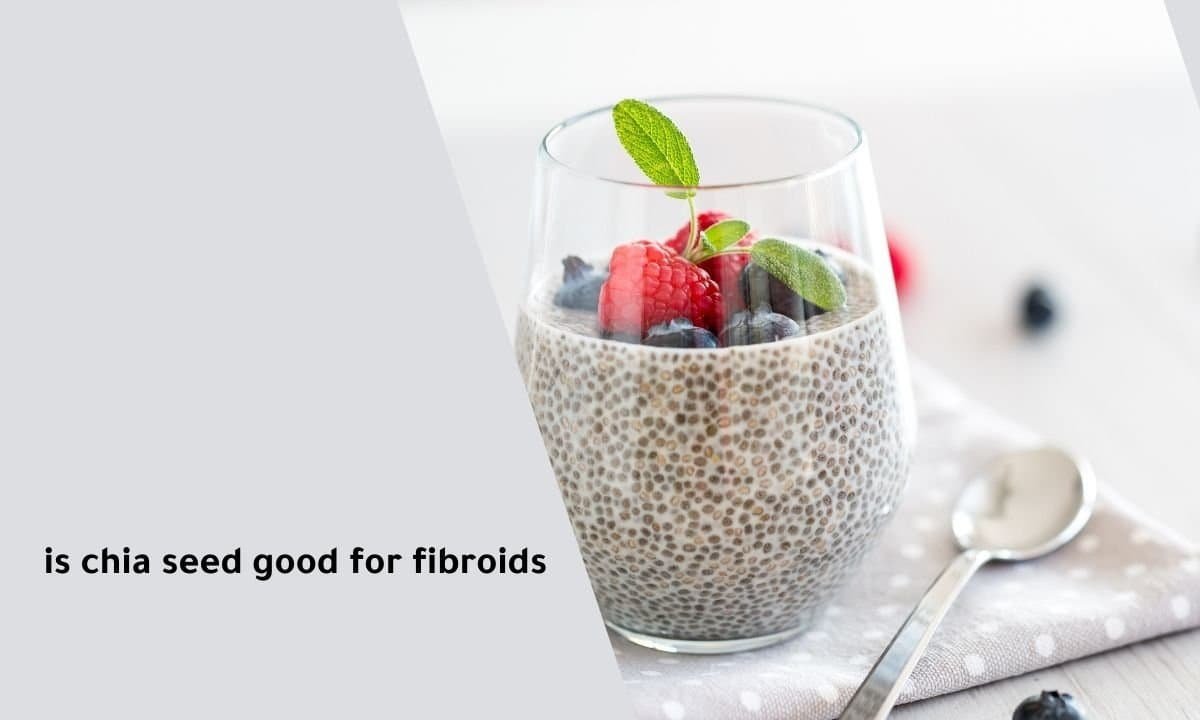
    Is chia seed good for fibroids? Fibroids cause heavy bleeding, pain, and fertility issues. Many women seek natural remedies to manage the symptoms of fibroids, and diet plays a crucial role in this process. One superfood that has gained attention for its potential benefits is chia seeds.

    But are chia seeds good for fibroids? In this article, we’ll explore the health benefits of chia seeds, flax seeds, and other foods and whether they can help reduce the symptoms of fibroids.

    Is chia seed good for fibroids?

    Is Chia Seed Good for Fibroids?

    Chia seeds are small but mighty when it comes to nutrition. They are rich in omega-3 fatty acids, fiber, and various nutrients that promote uterine health and help balance hormones. Omega-3 fatty acids are known for their anti-inflammatory properties, which may help reduce inflammation linked to fibroid growth. Additionally, chia seeds contain alpha-linolenic acid (ALA), a plant-based omega-3 fatty acid, which studies suggest may help in regulating hormone levels, thus reducing estrogen sensitivity. Estrogen is a hormone linked to fibroid growth, so consuming chia seeds may help balance estrogen levels.

    Incorporating chia seeds into your daily diet may also improve digestion and reduce blood sugar levels, which can be beneficial in managing fibroid symptoms. Chia seeds are fiber-rich, which helps regulate digestion and prevent constipation, a common issue for women with fibroids. Moreover, their omega-3 content has been shown to have anti-inflammatory properties that may help reduce fibroids’ size.

    Chia Seeds Benefits

    Chia seeds are more than just tiny powerhouses of nutrients. Here are some of the benefits they offer that may be particularly helpful for women dealing with fibroids:

    • Rich in Omega-3 Fatty Acids: These healthy fats are known for their anti-inflammatory properties, which may help reduce the inflammation that promotes fibroid growth.
    • High in Fiber: Fiber helps regulate digestion and prevents constipation, making it an essential nutrient for uterine health. A fiber-rich diet also helps the body eliminate excess estrogen, which can aid in managing fibroid symptoms.
    • Antioxidant Properties: Chia seeds are rich in antioxidants that help combat toxins and reduce oxidative stress in the body, which can slow down fibroid growth.
    • Calcium-Rich: Chia seeds contain a high amount of calcium, which is beneficial for bone health and can help improve uterine function.
    • Blood Sugar Regulation: Chia seeds help stabilize blood sugar levels, essential for hormone balance and overall fibroid management.

    Adding chia seeds to smoothies, oatmeal, or chia pudding can easily incorporate these nutrients into your diet daily.

    Worst Foods for Fibroids

    While chia seeds offer numerous benefits, some foods should be avoided to prevent fibroid growth. Some of the worst foods for fibroids include:

    • Red Meat: Red meat, especially non-organic, can be high in saturated fats, promoting inflammation and fibroid growth.
    • Dairy: Some studies suggest that high-fat dairy products can increase estrogen levels in the body, leading to an increase in fibroid growth.
    • Processed Foods: These foods often contain high amounts of sugar, unhealthy fats, and preservatives, which can cause inflammation and hormonal imbalances.
    • Caffeine: High caffeine consumption can increase estrogen levels, exacerbating fibroid symptoms.
    • Sugar-rich foods: Excess sugar can lead to insulin resistance, which can cause hormone imbalances that promote fibroid growth.

    Avoiding and replacing these foods with nutrient-dense, anti-inflammatory foods like chia seeds, leafy greens, and lean meats can help manage fibroid symptoms.

    7 Foods for Shrinking Fibroids

    Fibroids can be a real hassle, causing discomfort and other issues that many women deal with daily. While there’s no magic cure, the right foods can help shrink fibroids and manage their symptoms. Here are seven foods that can be particularly beneficial when keeping fibroids in check.

    1. Leafy Greens: Spinach, kale, and other leafy greens contain nutrients that help balance hormones. These veggies are rich in iron and fiber, which are essential for dealing with fibroids. Iron helps combat heavy bleeding, while fiber helps regulate hormones by keeping estrogen levels in check.
    2. Flaxseeds: They are tiny but pack a punch when fighting fibroids. They contain lignans, plant compounds that can help balance estrogen levels in the body. Too much estrogen can trigger fibroid growth, so adding flaxseeds to your diet may help slow this process down. Sprinkle some flaxseeds on your yogurt, salads, or smoothies to get their benefits.
    3. Berries: Strawberries, blueberries, and raspberries are rich in antioxidants that support overall health and reduce inflammation. Reducing inflammation is key to shrinking fibroids, and these delicious fruits are a simple and tasty way to do just that.
    4. Fatty Fish: Salmon, mackerel, and sardines are excellent sources of omega-3 fatty acids, which have anti-inflammatory properties. These fats can help reduce fibroid symptoms by lowering inflammation, making fatty fish a great addition to your weekly meals.
    5. Nuts and Seeds: Almonds, walnuts, chia, and pumpkin seeds are filled with healthy fats and fiber. These components can help regulate hormones and reduce inflammation, making them helpful in managing fibroids. A handful of nuts or a spoonful of seeds in your meals can go a long way.
    6. Green Tea: Green tea is a great way to stay hydrated and contains compounds called catechins, which may help reduce the size of fibroids.
    7. Broccoli: Broccoli and other cruciferous vegetables, like cauliflower and Brussels sprouts, are known for their hormone-balancing effects. These veggies contain compounds that help detoxify the liver and regulate estrogen levels. Since fibroid growth is often linked to high estrogen, broccoli is an excellent food to help shrink fibroids naturally.

    Is Flaxseed Good or Bad for Fibroids?

    Flaxseed is suitable for fibroids due to its high fiber content, lignans that balance estrogen, and anti-inflammatory properties. It helps regulate hormones and reduce inflammation, which may slow fibroid growth. However, consume it in moderation to avoid hormonal imbalances.

    Conclusion

    Incorporating chia seeds and flaxseeds into a well-balanced, fiber-rich diet may help reduce the symptoms of fibroids by balancing hormone levels and reducing inflammation. While chia and flaxseeds offer numerous health benefits, avoiding foods that exacerbate fibroid growth, such as red meat, dairy, and processed foods, is equally important. Managing fibroids through diet can be a helpful part of an overall treatment plan, but always consult a healthcare provider for personalized advice.

    If your fibroids are interfering with your daily life and you are looking for a solution that doesn’t require surgery, Dr. Samir Abdel Ghaffar can help. Contact us today to find out how uterine catheterization may be the right option for you. Dr. Samir will guide you through your options and help you find relief.

  • Understanding Endometriosis and Uterine Fibroids

    Understanding Endometriosis and Uterine Fibroids

    Are you asking about endometriosis and uterine fibroids? They are two conditions that cause severe pain and discomfort to women and affect their lives. Although these two conditions are often confused, they differ in how they develop and how they affect the uterus. Dr. Samir Abdel Ghaffar, a pioneer in interventional radiology and uterine artery catheterization (UAE), is here to help women overcome these challenges with advanced treatment options.

    Endometriosis and Uterine Fibroids

    What Is Endometriosis?

    Endometriosis is a chronic condition in which tissue similar to the lining of the uterus, called the endometrium, grows outside the uterine cavity. This misplaced tissue can attach to other organs, such as the ovaries, fallopian tubes, and the pelvic walls. When the endometrial tissue grows, it thickens and bleeds during a woman’s menstrual cycle, much like it would inside the uterus. However, because this tissue is outside the uterus, the blood has no way to exit the body, leading to severe pain, inflammation, and the formation of scar tissue.

    Endometriosis can cause painful periods, heavy menstrual bleeding, and fertility issues. Some women with endometriosis may also experience pain during intercourse, chronic pelvic pain, or discomfort when urinating or during bowel movements. This condition often goes undetected for years and requires a specialist like Dr Samir Abdel Ghaffar to diagnose and treat it appropriately.

    Understanding Uterine Fibroids

    Uterine fibroids, also known as leiomyomas or myomas, are benign tumours that grow within the muscular wall of the uterus. These noncancerous growths vary in size and number, and their development is influenced by age, hormonal changes, and genetic history. Some women have a single fibroid, while others may have multiple fibroids that grow at different rates.

    Fibroids can cause symptoms such as heavy menstrual bleeding, pelvic pressure, and frequent urination. Depending on their size and location, fibroids may also cause pain, bloating, or fertility problems. In rare cases, fibroids may grow large enough to enlarge the uterus or cause the abdomen to protrude, resembling pregnancy. Although they are not cancerous, fibroids can severely impact a woman’s health and quality of life, requiring medical intervention.

    The Differences Between Endometriosis and Uterine Fibroids

    While both endometriosis and fibroids are gynecologic conditions that can cause pain and heavy menstrual bleeding, they differ in how they develop. Endometriosis involves tissue outside the uterus, whereas fibroids are muscular tumours that grow within the uterine walls. Despite these differences, both conditions can affect a woman’s fertility, reproductive health, and overall well-being.

    Dr. Samir Abdel Ghaffar offers specialized care to treat both endometriosis and fibroids. His expertise in uterine artery embolization (UAE) has provided countless women with non-surgical treatment options, helping them avoid invasive surgeries like hysterectomy while effectively addressing their symptoms.

    Symptoms to Watch Out For

    Women need to be aware of the symptoms of both conditions to seek timely medical attention. Common symptoms of endometriosis and fibroids include:

    • Heavy menstrual bleeding
    • Chronic pelvic pain
    • Pain during periods
    • Abdominal bloating or pressure
    • Frequent urination
    • Fertility challenges

    Suppose you’re experiencing any of these symptoms. In that case, it’s essential to consult with a specialist like Dr. Samir Abdel Ghaffar to determine whether endometriosis or fibroids are present and to explore the best treatment options.

    Endometriosis vs Fibroids vs PCOS

    Endometriosis involves tissue similar to the uterine lining growing outside the uterus, causing pain and inflammation. Fibroids are benign tumors in the uterine wall, leading to heavy bleeding and pelvic pressure. PCOS (Polycystic Ovary Syndrome) affects ovaries with cysts and hormonal imbalances, often causing irregular cycles, infertility, and metabolic issues. Each condition affects fertility and women’s health differently.

    Endometriosis vs Fibroids Ultrasound

    Ultrasound effectively detects fibroids by visualizing the uterine muscle’s growth. Still, it’s less reliable for diagnosing endometriosis, as endometrial tissue typically grows outside the uterus and is not visible. For endometriosis, additional imaging methods, like MRI or laparoscopy, are often required.

    Living with Endometriosis and Fibroids

    Living with both endometriosis and fibroids is challenging, as symptoms such as chronic pain, heavy periods, and fertility problems overlap. Women often experience significant discomfort and require medical management to address symptoms and improve their quality of life.

    Best Treatment for Endometriosis and Fibroids

    Treatment options vary depending on the severity of symptoms. Hormonal therapy and surgery help manage symptoms of endometriosis, while fibroids may be treated with uterine artery embolization, medication, or surgical procedures. Consulting a specialist is essential to choosing the most effective, individualized treatment plan.

    Treatment Options: How Dr Samir Can Help

    Dr Samir Abdel Ghaffar is a renowned specialist in treating fibroids and other uterine conditions using advanced, minimally invasive procedures. Uterine artery embolization (UAE) is one of the most effective treatments for fibroids, offering relief without surgery. This procedure works by cutting off the blood supply to the fibroid, causing it to shrink and symptoms to improve.

    If you’ve been diagnosed with endometriosis, Dr Samir provides a range of medical treatments that can help manage pain, reduce tissue growth, and improve fertility outcomes.

    FAQS

    Can you have both endometriosis and fibroids?

    Yes, a woman can have both conditions simultaneously. These disorders share similar symptoms, such as pain and heavy bleeding, and co-occur, complicating diagnosis and treatment. Both situations involve the uterus and reproductive system, but they develop differently.

    What causes endometriosis or uterine fibroids?

    The exact causes of endometriosis and fibroids are not fully understood. Endometriosis is believed to be influenced by hormonal, genetic, and immune system factors. Uterine fibroids are caused by abnormal growths of the muscular tissue of the uterus, often linked to estrogen levels and genetic predisposition. Age, reproductive history, and family history also affect both diseases.

    Which is worse: endometriosis or fibroids?

    The severity of either condition depends on the individual and how it affects her health. Endometriosis leads to chronic pain, infertility, and a severe impact on daily life, while fibroids cause heavy bleeding, severe pain, and fertility issues. Determining which condition is worse depends on symptoms, complications, and other health conditions.

    Take Control of Your Health Today

    Don’t let painful periods or gynecologic conditions control your life. Whether you’re dealing with endometriosis, fibroids, or other uterine issues, Dr. Samir Abdel Ghaffar and his team are here to provide you with the expert care and support you need. Schedule a consultation today to learn about your personalized treatment options and start your journey to better health.

  • Understanding the Symptoms of Uterine Fibroids

    Understanding the Symptoms of Uterine Fibroids

    Uterine fibroids are noncancerous growths in the uterus. These tumours affect many women and can range in size and location within the womb. While some women with fibroids may not experience symptoms, others face a variety of discomforts that affect their daily lives. It is essential to recognize the common symptoms of uterine fibroids to seek timely medical advice and explore effective treatment options.

    symptoms of uterine fibroids

    Common Symptoms of Uterine Fibroids

    1. Heavy and Prolonged Menstrual Bleeding

    One of the most common symptoms of uterine fibroids is heavy menstrual bleeding, also known as menorrhagia. This includes periods that last longer than usual or involve the passing of large blood clots. Women experiencing this symptom may find it difficult to manage normal daily activities due to the heavy flow, and in some cases, prolonged periods lead to anaemia. If you find yourself changing sanitary products more frequently or experiencing fatigue during your period, it could be a sign of fibroids.

    2. Pelvic Pain and Pressure

    Fibroids cause a feeling of fullness or pressure in the lower abdomen or pelvis. This pressure is often accompanied by dull or sharp pain, depending on the size and location of the fibroid growths. In severe cases, the tumours may press against other organs, such as the bladder or bowel, leading to discomfort. Some women report experiencing painful intercourse or increased cramping during menstruation as a result of the fibroids.

    3. Frequent Urination and Difficulty Emptying the Bladder

    As fibroids grow, they press against the bladder, causing frequent or complex urination. Women may feel the urge to urinate more often but find it difficult to empty their bladder, which leads to urinary tract infections (UTIs) and further discomfort. Additionally, some women may experience similar pressure on the bowel, leading to constipation and difficulty with bowel movements.

    4. Abdominal Enlargement

    When fibroids grow larger, women may notice an enlargement of their abdomen, often mistaken for weight gain or pregnancy. This abnormal swelling is caused by fibroid tumours pressing against the abdominal muscles, creating a bloated or uncomfortable feeling. While this symptom is not always painful, it leads to self-consciousness and discomfort.

    5. Painful or Abnormal Menstrual Periods

    Many women with fibroids report that their periods are more painful than usual, with increased cramping that occurs both before and during menstruation. The pain is sharp and severe, sometimes radiating to the lower back or legs, making daily activities difficult.

    6. Reproductive Issues

    Fibroids also affect fertility, leading to complications such as difficulty conceiving, miscarriage, or infertility. Depending on the size and location of the fibroids, they may block the fallopian tubes or disrupt the normal function of the uterus, making it difficult for a woman to get pregnant or carry a pregnancy to term. Women experiencing reproductive issues, including those struggling with pregnancy complications, should seek medical advice to explore treatment options.

    Treatment Options for Uterine Fibroids

    There are various treatment options available for uterine fibroids, ranging from medications to surgical interventions. Some women may find relief with hormone therapy, such as birth control pills or intrauterine devices (IUDs), which help regulate heavy bleeding and shrink fibroids. In more severe cases, surgical options like myomectomy (removal of the fibroids) or hysterectomy (removal of the uterus) recommend. Experts like Dr. Samir Abdel Ghaffar offer interventional radiology, which provides minimally invasive options, such as uterine fibroid embolization (UFE), that effectively shrink fibroids without significant surgery.

    Seeking Help from a Specialist

    If you’re experiencing any of the symptoms of uterine fibroids, it’s essential to seek professional medical advice. Dr. Samir Abdel Ghaffar, a renowned expert in interventional radiology, offers innovative, non-surgical treatments to manage and treat fibroids. His specialized approach ensures that women find relief without undergoing invasive surgery, preserving their reproductive health and improving their quality of life.

    Don’t let uterine fibroids control your life—reach out to Dr. Samir Abdel Ghaffar for a personalized consultation and explore your treatment options today.

    Treatment Options for Uterine Fibroids

    There are various treatment options available for uterine fibroids, ranging from medications to surgical interventions. Some women may find relief with hormone therapy, such as birth control pills or intrauterine devices (IUDs), which help regulate heavy bleeding and shrink fibroids. In more severe cases, surgical options like myomectomy (removal of the fibroids) or hysterectomy (removal of the uterus) may be recommended. Experts like Dr. Samir Abdel Ghaffar offer interventional radiology, which provides minimally invasive options, such as uterine fibroid embolization (UFE), that shrink fibroids without significant surgery.

    FAQS

    What causes uterine fibroids to grow?

    Uterine fibroids typically grow in response to hormones like estrogen and progesterone. Factors such as hormonal changes, genetics, and age influence their growth. Fibroids tend to increase during childbearing years and may shrink after menopause.

    How to check for fibroids at home?

    While it’s not possible to diagnose fibroids at home, symptoms like heavy periods, pelvic pain, frequent urination, or abdominal swelling suggest their presence. It’s crucial to consult a physician for a proper diagnosis through medical imaging like ultrasounds.

    Fibroid cancer symptoms

    Although fibroids are generally noncancerous, rare cases of fibroid cancer (leiomyosarcoma) may include symptoms like rapid growth of the fibroid, increased pelvic pain, and abnormal vaginal bleeding. Consulting a physician is essential if any of these signs occur.

    Seeking Help from a Specialist

    If you’re experiencing any of the symptoms of uterine fibroids, it’s essential to seek professional medical advice. Dr. Samir Abdel Ghaffar, a renowned expert in interventional radiology, offers innovative, non-surgical treatments to manage and treat fibroids. His specialized approach ensures that women find relief without undergoing invasive surgery, preserving their reproductive health and improving their quality of life.

    Don’t let uterine fibroids control your life—reach out to Dr. Samir Abdel Ghaffar for a personalized consultation and explore your treatment options today.

  • Do Uterine Fibroids Go Away on Their Own? Understanding the Facts

    Do Uterine Fibroids Go Away on Their Own? Understanding the Facts

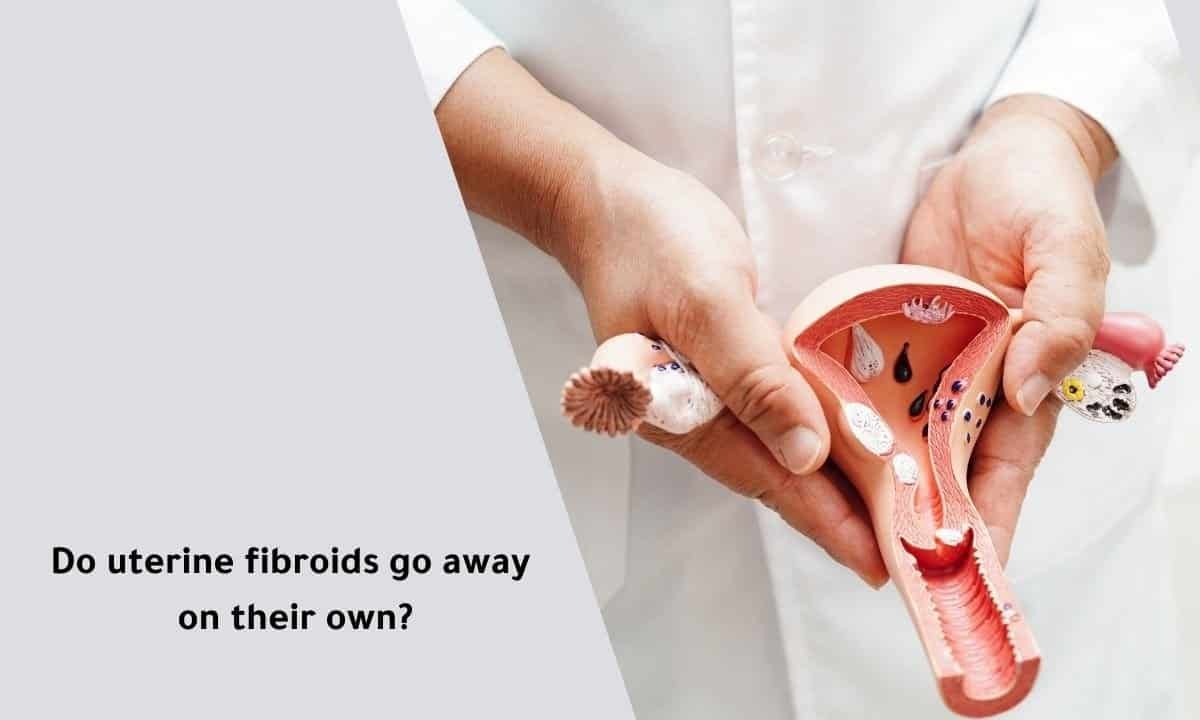
    Uterine fibroids, also called leiomyomas or myomas, are common, noncancerous growths that develop in the muscle tissue of the uterus. Many women who are diagnosed with fibroids wonder, “Do uterine fibroids go away on their own?” The answer to this question can vary depending on several factors, such as the woman’s age, hormone levels, and whether she seeks treatment. Let’s explore the details.

    do uterine fibroids go away on their own

    Do Uterine Fibroids Go Away on Their Own?

    In many cases, fibroids tend to shrink or even disappear entirely over time. This is particularly true during menopause, a stage when estrogen and progesterone levels in a woman’s body naturally decrease. Since fibroids are highly dependent on hormones, the drop in estrogen production as women approach menopause often causes the fibroids to shrink. For postmenopausal women, fibroids rarely grow and may even resolve on their own without medical intervention.

    However, this natural shrinking process takes time and may only happen for some. Younger women in their reproductive years, whose estrogen and progesterone levels are still high, may continue to experience fibroid growth.

    Factors Affecting Fibroid Growth

    Several factors can influence the size and growth of uterine fibroids. Estrogen and progesterone are the primary hormones that promote fibroid growth. For example, these hormone spurts during pregnancy can sometimes cause fibroids to proliferate. After pregnancy, fibroids may shrink again as hormone levels decrease. The blood supply to the fibroids can also affect their size; fibroids that receive an increased blood flow may grow larger.

    Fibroids develop slowly, but some may remain asymptomatic or produce mild symptoms for years. On the other hand, fibroids can cause symptoms like heavy menstrual bleeding, pelvic pain, and pressure on the bladder or bowel. Depending on their location, fibroids may affect fertility and complicate pregnancy, making it essential to seek medical advice.

    When Treatment is Necessary

    While some fibroids may shrink and disappear independently, others may require treatment, mainly if they cause severe symptoms. Common treatments for fibroids include:

    • Medications: Hormonal therapies, such as GnRH agonists, can help reduce fibroid size by lowering hormone levels. However, these treatments do not entirely remove fibroids.
    • Uterine Fibroid Embolization (UFE): This minimally invasive procedure cuts off the blood supply to the fibroids, causing them to shrink and eventually disappear. Dr Samir Abdel Ghaffar, a pioneer in interventional radiology, is an expert in UFE, offering women an effective alternative to more invasive surgical options like hysterectomy or myomectomy.
    • Surgical Removal: Surgery may be necessary for more extensive or painful fibroids that do not respond to other treatments. Myomectomy is the surgical removal of fibroids, while hysterectomy involves removing the uterus entirely.

    What Happens if Fibroids Are Left Untreated?

    If left untreated, fibroids can grow and cause significant discomfort or other health issues. Some women may experience acute pain, anaemia from heavy bleeding, and a decreased quality of life. In rare cases, large fibroids can lead to complications, such as a ruptured fibroid or the twisting of the fibroid tissue, which may require emergency surgery.

    Consult with Dr. Samir Abdel Ghaffar for Expert Care

    It’s important to remember that every woman’s experience with fibroids is unique. If you’re wondering whether your fibroids may go away on their own or if you need treatment, consulting with a skilled specialist like Dr. Samir Abdel Ghaffar is crucial. Dr. Ghaffar and his board-certified team offer personalized treatment plans to help reduce symptoms, improve health, and ensure the best outcomes for your fibroid care.

    FAQS

    What causes fibroids?

    Fibroids develop from the muscle tissue of the uterus and are caused by a combination of genetic, hormonal, and environmental factors. Increased production of estrogen and progesterone, especially during reproductive years, promotes fibroid growth. Family history, hormonal imbalances, and factors like obesity and diet may also contribute to their formation.

    Do fibroids move like a baby in the stomach?

    Fibroids do not move like a baby in the stomach. However, large fibroids can cause a feeling of pressure or fullness in the abdomen, which may be mistaken for movement. These growths remain in place unless they undergo torsion, a rare condition where a fibroid twists on its stalk, causing acute pain.

    How to check for fibroids at home?

    While there is no definitive way to check for fibroids at home, you may notice symptoms like heavy menstrual bleeding, pelvic pain, or a swollen abdomen. If you experience these symptoms, you must consult a doctor for proper diagnosis through imaging tests like ultrasounds or MRI.

    Which size of fibroid is dangerous?

    Fibroids larger than 5 cm (about 2 inches) are considered more concerning, mainly if they cause significant symptoms such as severe pain, heavy bleeding, or pressure on nearby organs. Large fibroids can also increase the risk of complications during pregnancy. Always seek medical advice if you suspect fibroids are affecting your health.

    Take Action Today

    Although some fibroids may shrink naturally over time, others can continue to grow and cause significant health issues. Seeking professional advice from an expert like Dr. Samir Abdel Ghaffar ensures you can access the most advanced, minimally invasive treatments, like uterine fibroid embolization, to treat your fibroids effectively. Don’t wait until your symptoms worsen—take control of your health and contact Dr Ghaffar today.

    Book a consultation with Dr Samir Abdel Ghaffar to learn how to manage fibroids and improve your quality of life.

  • Treatment for uterine fibroids: What You Need to Know?

    Treatment for uterine fibroids: What You Need to Know?

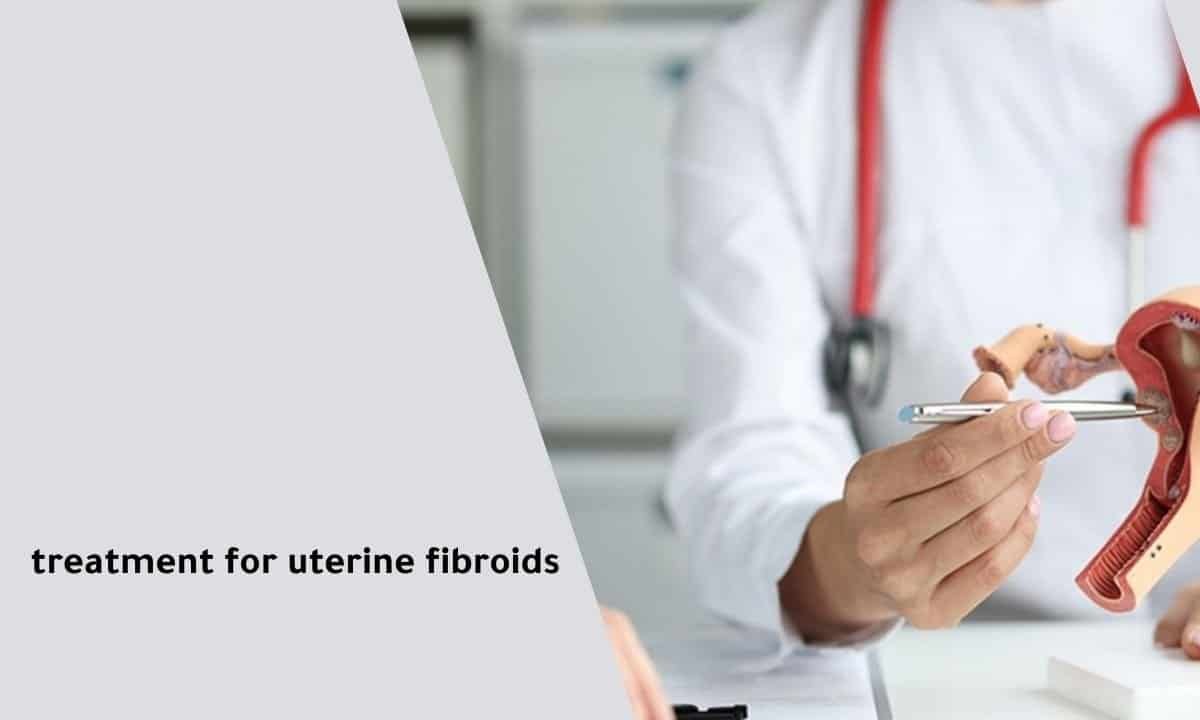
    Uterine fibroids are common noncancerous growths that can cause significant discomfort and impact a woman’s quality of life. Fortunately, there are various treatment options available. This article explores the most effective treatment for uterine fibroids, including non-surgical and minimally invasive procedures.

    treatment for uterine fibroids

    What Are Uterine Fibroids? 🤔

    Uterine fibroids are benign uterine growths, often during a woman’s reproductive years. These growths, also known as fibroid tumours, leiomyomas, or fibroids, comprise muscle and fibrous tissue. Although noncancerous, fibroids can cause significant discomfort and complications for many women. The size, location, and number of fibroids vary, and some women may not even realise they have them, while others may experience severe symptoms.

    What Are the Symptoms of Uterine Fibroids? 📋

    The symptoms of uterine fibroids can vary greatly depending on the size, location, and number of fibroids. Common symptoms include:

    • Heavy menstrual bleeding
    • Pelvic pain or pressure
    • Abdominal swelling
    • Frequent urination
    • Constipation
    • Painful intercourse
    • Prolonged or irregular periods
    • Back or leg pain

    In severe cases, fibroids may also lead to anemia due to excessive bleeding. However, not all women with fibroids experience symptoms and the severity of the symptoms often depends on the size and location of the fibroid(s).

    What Causes Uterine Fibroids? 🔬

    The exact cause of uterine fibroids is not fully understood, but several factors are believed to play a role in their development:

    • Hormonal fluctuations: Estrogen and progesterone, two hormones that regulate the menstrual cycle, are known to stimulate fibroid growth. Fibroids tend to shrink after menopause when hormone levels decrease.
    • Genetic factors: There is a vital hereditary component to fibroid development. Women with a family history of fibroids are more likely to develop them.
    • Other factors: Obesity, early menstruation, and a diet high in red meat and low in green vegetables, fruit, and dairy may also increase the risk of developing fibroids.

    ☑️ How do you know if you have uterine fibroids?

    Types of Uterine Fibroids 📌

    There are different types of fibroids, classified based on their location within the uterus:

    1. Intramural fibroids: Located in the muscular wall of the uterus, these are the most common type.
    2. Subserosal fibroids: These grow on the outer wall of the uterus and may cause pressure on surrounding organs like the bladder.
    3. Submucosal fibroids: Found under the uterus lining, they can affect the menstrual cycle and are often associated with heavy bleeding.
    4. Pedunculated fibroids grow on stalks inside or outside the uterus, resembling a mushroom-like structure.

    The best treatment for uterine fibroids depends on various factors, including the size, location, and number of fibroids, the severity of symptoms, the patient’s age, overall health, and whether the patient wishes to preserve fertility. Here are some of the most effective treatment options:

    Which is best treatment for uterine fibroids?

    Which is best treatment for uterine fibroids?

    Choosing the treatment of uterine fibroids depends on various factors, including the size, location, and number of fibroids, the severity of symptoms, the patient’s age, overall health, and whether the patient wishes to preserve fertility. Below are some of the most effective treatments available:

    Uterine artery embolization (UAE)

    • Best For Women seeking a non-surgical option to preserve their uterus.
    • How It Works: UFE is a minimally invasive procedure that blocks the blood supply to the fibroids, causing them to shrink over time. This procedure is highly effective, with a quick recovery period, and is particularly suited for women who want to avoid surgery.
    • Benefits: No surgery is required, recovery time is shorter, the uterus is preserved, and there is significant symptom relief.

    MRI-Guided Focused Ultrasound Surgery (MRgFUS)

    • Best For Women preferring a completely non-invasive treatment.
    • How It Works: This procedure uses high-intensity ultrasound waves to destroy fibroid tissue, guided by MRI imaging. It’s an outpatient procedure with no incisions, making it a safe and effective option.
    • Benefits: Non-invasive, no hospital stay required, quick recovery, and effective in reducing symptoms.

    Myomectomy

    • Best For Women looking to preserve their fertility through a surgical option.
    • How It Works: Myomectomy involves surgically removing fibroids while leaving the uterus intact. It can be performed via traditional open surgery, laparoscopic, or robotic surgery, depending on the size and location of the fibroids.
    • Benefits: Effective in removing fibroids, preserving fertility, and providing symptom relief.

    Hysterectomy

    • Best For: Women who no longer wish to have children and seek a permanent solution.
    • How It Works: Hysterectomy is the surgical removal of the uterus, providing a definitive cure for fibroids by eliminating the possibility of recurrence.
    • Benefits: Permanent relief from fibroid symptoms, no recurrence, is often recommended when other treatments have failed or fibroids are enormous.

    Medications

    • Best For Women with mild symptoms or those seeking short-term relief.
    • How It Works: Medications, such as GnRH agonists, progestin-releasing IUDs, or anti-inflammatory drugs like ibuprofen, can help manage symptoms like heavy bleeding and pain. These may also shrink fibroids temporarily.
    • Benefits: Non-invasive, helps manage symptoms, and often serves as a temporary solution or preparation for surgery.

    Radiofrequency Ablation

    • Best For Women seeking a minimally invasive procedure with quick recovery.
    • How It Works: This procedure uses heat to destroy fibroid tissue and is typically performed laparoscopically, meaning fewer incisions and a faster recovery time.
    • Benefits: Minimally invasive, effectively reducing symptoms, and preserves the uterus.

    Uterine Fibroid Supportive Therapy

    Supportive therapy for uterine fibroids involves non-surgical methods aimed at managing symptoms and improving quality of life without directly treating the fibroids themselves. These therapies are often used when fibroids are small or when surgery is not immediately necessary. Below are common supportive treatment options for uterine fibroids:

    1. Pain Management:

    • NSAIDs (Nonsteroidal Anti-inflammatory Drugs): Over-the-counter medications like ibuprofen or naproxen can help alleviate pain and reduce inflammation associated with fibroids.
    • Hormonal Contraceptives: Birth control pills, patches, or intrauterine devices (IUDs) with hormones can help regulate menstrual cycles, reducing heavy bleeding and cramping.

    2. Hormonal Therapies:

    • GnRH Agonists (Gonadotropin-Releasing Hormone Agonists): Medications like leuprolide can temporarily shrink fibroids by lowering estrogen and progesterone levels. However, these are usually short-term options due to side effects like bone thinning.
    • Progestin-Releasing IUDs: These can help reduce heavy menstrual bleeding and provide contraception while managing fibroid symptoms.

    3. Diet and Lifestyle Adjustments:

    • Healthy Diet: A diet rich in fruits, vegetables, and whole grains, and low in red meats may help reduce symptoms, though more research is needed.
    • Exercise: Regular physical activity can improve overall health and reduce stress, which may help manage fibroid symptoms like pain and discomfort.

    4. Iron Supplements:

    • If fibroids cause heavy menstrual bleeding, iron supplements can help prevent or treat anemia resulting from blood loss.

    5. Herbal and Natural Remedies:

    • Some women use herbal supplements like green tea extract or Chinese herbal medicines to alleviate symptoms, but it’s important to consult with a doctor before trying these alternatives.

    6. Psychological Support:

    • Therapy and Support Groups: Coping with fibroid symptoms can be stressful. Joining support groups or seeking counseling can help manage emotional well-being.

    7. Heat Therapy:

    • Heating Pads or Hot Water Bottles: Applying heat to the abdomen can help reduce cramps and discomfort.

    These therapies do not remove fibroids but can help control symptoms, such as pain, heavy bleeding, and pressure on other organs. For individuals looking for more permanent solutions, interventional treatments like uterine artery embolization or surgical options (e.g., myomectomy or hysterectomy) may be considered.

    Risks to uterine fibroid treatment

    treatment for uterine fibroids involves a variety of procedures and medications, each carrying its own set of risks and potential complications. Here are some critical risks associated with different treatment options:

    Surgical Risks

    • Myomectomy (fibroid removal): Although effective, this surgery carries risks such as bleeding, infection, and damage to surrounding tissue. Laparoscopic and robotic approaches reduce recovery time but still involve risks associated with any surgery.
    • Hysterectomy: This is a significant surgery that permanently removes the womb. Risks include infection, heavy bleeding, and long-term complications such as hormone imbalance if the ovaries are also removed.
    • Laparotomy: An open surgery to remove large fibroids, which carries a longer recovery time and higher risks of infection and bleeding.
    1. Minimally Invasive Procedure Risks
    • Uterine Fibroid Embolization (UFE): While generally safe, UFE can cause post-procedure pain, infection, or premature menopause. There’s also a small risk that the procedure may not shrink the fibroids enough to relieve symptoms.
    • MRI-Guided Focused Ultrasound (MRgFUS): This noninvasive treatment carries fewer risks, but there’s a possibility of incomplete treatment, leading to persistent symptoms.
    • Radiofrequency Ablation (Acessa): In this procedure, heat is used to destroy fibroid tissue, but there’s a risk of damage to nearby organs and tissues, as well as incomplete fibroid destruction.

    Medication Risks

    • Hormonal Therapies: GnRH agonists and ulipristal acetate can be effective in reducing fibroid size, but they may cause side effects such as hot flashes, bone loss, and mood changes. Long-term use is generally not recommended.
    • Nonsteroidal Anti-Inflammatory Drugs (NSAIDs): Ibuprofen and other NSAIDs can help manage pain but may cause gastrointestinal issues if used frequently.
    • Progestin-releasing IUDs: While helpful in controlling heavy menstrual bleeding, these devices can cause irregular bleeding and other side effects.

    General Risks

    • Impact on Fertility: Some treatments, particularly surgical ones like hysterectomy, eliminate the possibility of future pregnancies. Others, like UFE, may reduce fertility or complicate future pregnancies.
    • Incomplete Symptom Relief: Some treatments might not fully relieve symptoms or require additional procedures if fibroids recur or are not fully treated.

    FAQS

    How to Check for Fibroids at Home?

    While a definitive diagnosis of uterine fibroids requires a medical examination, there are some signs you can monitor at home. Symptoms of fibroids often include heavy menstrual periods, pelvic pain, abdominal swelling, and frequent urination. If you notice these signs, scheduling a visit with your doctor is essential. However, self-checking for fibroids at home is limited, as fibroids are typically detected through imaging tests such as ultrasound or MRI, often performed by trained professionals. If you’re experiencing symptoms, consulting with a healthcare provider is the best action to ensure proper diagnosis and care.

    Which Size of Fibroid Is Dangerous?

    The size of a fibroid alone doesn’t necessarily determine its danger, but larger fibroids can cause more significant health issues. Typically, fibroids more prominent than 5-10 cm are considered more concerning, mainly if they cause severe symptoms. Here’s how size can impact the severity:

    • Large Fibroids (over 5 cm): These can cause abdominal distention, painful periods, heavy menstrual bleeding, and pressure on surrounding organs like the bladder or bowels, leading to urinary or digestive issues.
    • Very Large Fibroids (over 10 cm): These can lead to significant complications, including a higher risk of complications during pregnancy and potential obstruction of the birth canal. Such fibroids may also cause severe pelvic pain and pressure, making them more dangerous.
    • Pedunculated Fibroids (on a stalk): Regardless of size, if these fibroids twist, they can cut off their blood supply, leading to acute pain and requiring immediate medical attention.

    Can Fibroids Be Treated Without Surgery?

    Yes, fibroids can often be treated without surgery. Several non-surgical options are available, including:

    • Uterine Fibroid Embolization (UFE): A minimally invasive procedure that involves injecting small particles into the artery supplying the fibroids, which blocks their blood flow and causes them to shrink.
    • Medications: Hormonal treatments such as GnRH agonists, ulipristal acetate, and progestin-releasing intrauterine devices (IUDs) can help manage symptoms by reducing fibroid size and controlling menstrual bleeding.
    • Focused Ultrasound Therapy: This noninvasive treatment uses ultrasound waves to heat and destroy MRI-guided fibroid tissue.
    • Endometrial Ablation: A procedure that destroys the endometrial lining of the uterus, which can reduce menstrual bleeding associated with fibroids.

    These treatments are especially beneficial for women who want to avoid surgery or are not candidates for surgical procedures.

    What Size Fibroids Need Surgery?

    The decision to recommend surgery for fibroids often depends on a combination of size, location, and the severity of symptoms rather than size alone. However, large fibroids (typically over 5-10 cm) that cause significant symptoms such as heavy bleeding, pain, or pressure on other organs often require surgical intervention. Surgical options include:

    • Myomectomy: Surgical removal of fibroids, often recommended for women who wish to preserve fertility.
    • Hysterectomy: The complete removal of the uterus, which is a permanent solution for fibroid-related issues.

    What Is the Fastest Way to Cure Fibroids?

    There is no one-size-fits-all answer to the fastest way to “cure” fibroids, as treatment depends on individual circumstances, including the size, location, and symptoms of the fibroids and the patient’s reproductive plans. However, for rapid symptom relief:

    • Uterine Fibroid Embolization (UFE) offers quick symptom relief by causing fibroids to shrink and reduce size.
    • GnRH agonists can temporarily shrink fibroids within a few weeks but are typically used as a short-term solution.
    • Surgical options like myomectomy or hysterectomy offer definitive results but involve recovery time.

    Each treatment’s speed and effectiveness will vary, so it’s essential to consult with a medical professional or gynecologist to determine the best treatment plan for your specific situation.

    Conclusion

    Each treatment option for uterine fibroids offers benefits but also carries potential risks. It’s essential to discuss these risks with a qualified healthcare provider or gynecologist to determine the best and safest option for your individual needs. Always consider factors like age, desire for future pregnancies, and overall health when deciding on a treatment plan.

    ☑️ Finding the Best Fibroid Specialist in London: Dr. Samir Abdel Ghaffar