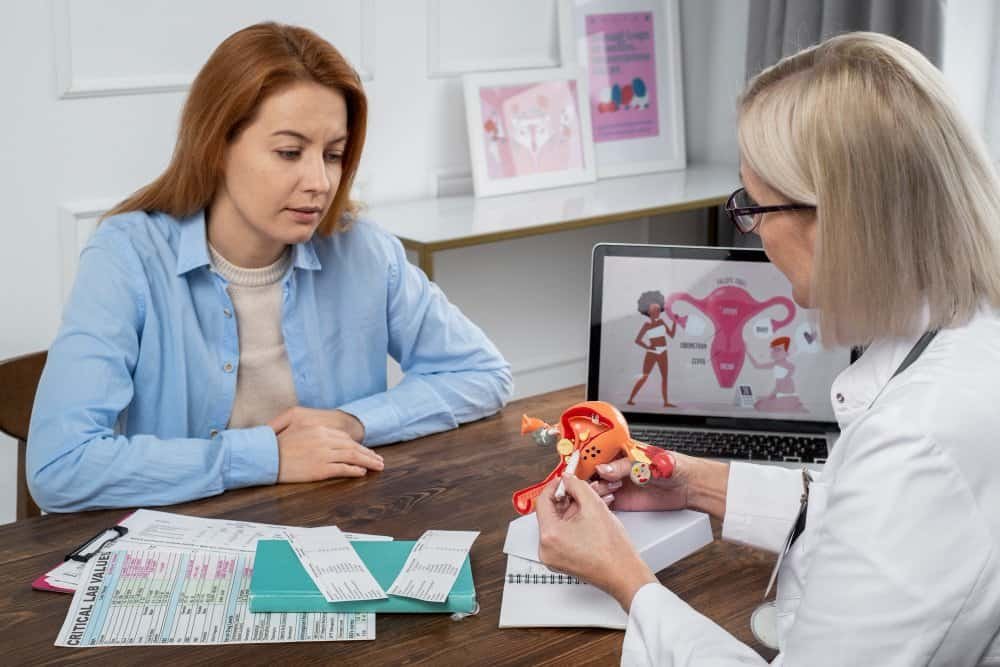
You’ve been told you have subserosal fibroids, and suddenly you’re facing uncomfortable symptoms, concerns about fertility, and the scary prospect of major surgery.
The pressure in your pelvic area keeps growing, your clothes feel tighter, and you worry whether these benign tumors will affect your chances of having children or require removing your uterus entirely.
What if there was a way to treat subserosal uterine fibroids without going under the knife? Modern medicine offers minimally invasive approaches that preserve your uterus while delivering effective treatment and improved quality of life.
Understanding your options for subserosal uterine fibroid treatment starts with knowing exactly what you’re dealing with and why location matters when it comes to these common growths.
What Are Subserosal Uterine Fibroids and Why Does Location Matter?
Subserosal uterine fibroids are noncancerous tumors that develop on the outer wall of your uterus. Unlike their cousins—intramural fibroids that grow within the uterine muscle wall or submucosal fibroids that project into the uterine cavity—subserosal fibroids grow outward from the surface of the uterus.
Think of your uterus as having three layers. Subserosal fibroids are classified based on their location on the outermost layer. According to the FIGO classification system used by medical professionals worldwide, these growths can remain attached to the uterine wall or develop on a stalk (called pedunculated subserosal fibroids).
The location of these benign tumors significantly affects what symptoms you might experience and which treatment approaches work best. Because they grow toward the outside rather than inward, many women with subserosal leiomyomas remain asymptomatic for years. However, as these smooth muscle tumors grow larger, they can press against nearby organs, causing distinct discomfort.
Understanding the type of fibroid you have helps both you and your doctor explore the most appropriate management options tailored to your specific situation.
Subserosal Uterine Fibroid Symptoms: What Should You Watch For?
While some women feel absolutely nothing, others experience symptoms that affect their daily life. The key difference with subserosal fibroids compared to other types is that they typically don’t cause heavy bleeding or abnormal menstrual periods since they’re located on the outer surface rather than inside the uterine cavity.
Common symptoms include:
- Pelvic pressure or fullness that feels like something is pushing against your bladder or bowel
- Bloating that makes your abdomen appear larger, especially as fibroids grow
- Lower back pain when larger tumors press against nerves or muscles
- Frequent urination if the fibroid presses on your bladder
- Constipation when growths push against your bowels
- Pain during intercourse depending on fibroid location
- Discomfort when lying face down or in certain positions
The symptoms you experience depend largely on how big the fibroid has grown and exactly where it’s located. A small subserosal fibroid might cause zero problems, while a larger one pressing against your bladder could send you running to the bathroom every hour.
During perimenopause, when hormone levels fluctuate, some women notice their fibroids growing faster, which can intensify these symptoms.
Subserosal Pedunculated Fibroid: A Special Type Worth Understanding
Pedunculated subserosal fibroids deserve special attention because they behave differently from their broad-based counterparts. These particular fibroids grow on a stalk extending from the uterine wall, somewhat like a mushroom on a stem.
This type of growth pattern creates unique considerations:
- Movement and twisting: Because they’re attached by a narrow stalk, pedunculated fibroids can sometimes twist on themselves, cutting off their blood supply. This causes sudden, severe pain that requires immediate medical care.
- Diagnostic challenges: During examination or imaging, pedunculated fibroids can sometimes be mistaken for ovarian masses because they may sit away from the uterus itself.
- Treatment implications: The stalk attachment affects which surgical approaches work best if intervention becomes necessary. Some pedunculated fibroids are easier to remove than broad-based ones, while others require careful planning.
- Symptom variability: Depending on where the stalk positions the fibroid, you might feel pressure in different areas as you move or change positions throughout the day.
If imaging reveals you have a pedunculated subserosal fibroid, your doctor will likely monitor it more closely and discuss management strategies based on its size and whether it’s causing symptoms.
Subserosal Fibroid and Fertility: Will It Affect Your Chances of Pregnancy?
This question weighs heavily on many women, and the answer offers more hope than you might expect. 💚
Subserosal fibroids generally have less impact on fertility compared to submucosal fibroids because they don’t distort the uterine cavity where a baby would implant and grow. However, several factors influence fertility outcomes:
- Size matters: Larger subserosal fibroids may create pressure that affects the normal shape of your uterus or blocks the fallopian tubes, potentially impacting pregnancy possibilities.
- Location is crucial: A subserosal fibroid near the opening of your fallopian tubes could interfere with the egg’s journey, while one located elsewhere might have no effect at all.
- Multiple vs. single: Women with numerous fibroids throughout the uterus face different considerations than those with a single subserosal growth.
Research shows that most women with subserosal fibroids can conceive naturally. A particular study examining fertility outcomes in women who underwent uterine artery embolization found encouraging results, with many patients achieving successful pregnancies after this minimally invasive procedure.
The key is finding the right balance between treating bothersome symptoms and preserving your reproductive potential. Modern treatment options allow you to address problematic fibroids while keeping future pregnancy possibilities open.
Subserosal Fibroid Location: Why It Determines Your Treatment Path
Not all subserosal fibroids are created equal, and their exact location on the outer uterine wall plays a huge role in determining the best treatment approach.
- Anterior location (front of the uterus): These often press on the bladder, causing frequent urination. They’re typically easier to access during certain procedures.
- Posterior location (back of the uterus): Fibroids here may cause lower back pain or constipation as they push against the bowel. They can be trickier to reach with some surgical approaches.
- Fundal location (top of the uterus): Growing near the top, these fibroids might cause upper abdominal pressure or bloating.
- Lateral location (sides near ovaries): These can sometimes affect the fallopian tubes or be confused with ovarian masses during diagnosis.
The FIGO classification system helps doctors categorize these locations precisely, ensuring everyone on your care team understands exactly what they’re dealing with. This standardized approach improves outcomes by helping specialists plan the most effective treatment strategy based on comprehensive understanding of your specific situation.
What Is Considered a Large Subserosal Fibroid?
Fibroids are measured in centimeters, and what counts as “large” might surprise you.
Small fibroids: Less than 5 cm (about the size of a plum) Medium fibroids: 5-10 cm (similar to an orange or grapefruit) Large fibroids: Greater than 10 cm (comparable to a melon or larger)
Some subserosal fibroids grow to truly remarkable sizes—reports exist of fibroids weighing several pounds. Generally, anything over 10 centimeters is considered large and more likely to cause symptoms simply due to the space it occupies in your pelvic area.
Size affects treatment decisions because:
- Larger fibroids may require different approaches than smaller ones
- They’re more likely to cause compression symptoms affecting nearby organs
- Post-procedure recovery might vary based on fibroid size
- Some treatments work better on specific size ranges
However, size alone doesn’t determine whether you need treatment. A large asymptomatic fibroid might simply need monitoring, while a smaller symptomatic one could warrant intervention. Your doctor considers the complete picture—size, location, symptoms, and your personal goals—when recommending management options.
Subserosal Fibroid and Pregnancy: What to Expect
If you’re pregnant and have subserosal fibroids, or you’re planning to conceive, understanding how these growths interact with pregnancy helps set realistic expectations.
During pregnancy:
Most subserosal fibroids don’t cause pregnancy complications. The growing uterus often accommodates these external growths without issue. However, larger fibroids may:
- Increase the risk of cesarean delivery if they block the birth canal
- Cause more pelvic pain as your uterus expands
- Rarely, undergo “red degeneration” (when they outgrow their blood supply), causing significant pain that usually resolves with conservative care
Effect on the baby:
Subserosal fibroids typically don’t affect fetal development because they grow outward rather than into the space where your baby develops. Submucosal fibroids pose greater risks to pregnancy than subserosal ones.
Pregnancy after treatment:
Women who undergo uterine fibroid embolization can often conceive afterward, though a retrospective study suggests waiting several months to allow complete healing. This minimally invasive procedure preserves the uterus while treating problematic fibroids, making it an attractive option for women concerned about post-procedure fertility.
Your reproductive goals should guide treatment decisions. Open conversations with your healthcare provider about timing, risks, and the various approaches available ensure you make informed choices that align with your life plans.
Subserosal Fibroid Cancer: Should You Worry?
Let’s address the elephant in the room: Could your subserosal fibroid actually be cancerous?
The short answer is that it’s extremely unlikely. Uterine fibroids—also called leiomyomas or myomas—are benign growths, meaning they’re not cancerous. The transformation of a benign fibroid into a leiomyosarcoma (cancerous smooth muscle tumor) is exceptionally rare, occurring in less than 1% of cases.
Signs that warrant further investigation:
- Unusual pain patterns
- Unexpected bleeding
- Rapid growth, especially after menopause
- Growing fibroids despite medications that should stabilize them
Your doctor uses imaging and sometimes additional tests to distinguish benign fibroids from the rare cancerous growth. MRI scans can often identify suspicious features that differ from typical benign leiomyomas.
While cancer risk is minimal, regular monitoring of known fibroids makes sense, particularly if they’re growing or changing. This vigilance isn’t about living in fear—it’s about staying informed and catching the rare exception early if it occurs.
For the vast majority of women, subserosal fibroids remain benign throughout life and pose no cancer risk whatsoever.
Is Subserosal Fibroid Dangerous? Understanding Real Risks
Subserosal fibroids themselves aren’t dangerous in most cases, but complications can develop that require attention.
Actual risks to consider:
- Torsion of pedunculated fibroids: When a fibroid on a stalk twists, it can cut off blood supply, causing severe pain and requiring emergency care.
- Compression effects: Very large fibroids pressing on organs can affect bladder or bowel function, though this rarely causes permanent damage.
- Quality of life impact: Chronic pain, bloating, and discomfort significantly affect your daily activities and emotional well-being, even if not “medically dangerous.”
- Rare complications: In exceptional cases, very large fibroids can cause anemia (not from bleeding, but from stealing blood supply from normal tissues) or kidney problems if they compress the ureters.
What’s NOT a significant danger:
- They won’t “spread” like cancer
- They don’t typically cause life-threatening bleeding
- Most don’t interfere with vital organ function
The main concern with subserosal fibroids is how they affect your life quality rather than posing immediate health dangers. That said, any fibroid causing significant symptoms deserves treatment—you shouldn’t have to live with constant discomfort just because something isn’t technically “dangerous.”
subserosal uterine fibroid treatment: Exploring Your Options Beyond Surgery
Here’s where things get interesting. You have more choices than you might think, and understanding each option helps you make decisions that fit your life.
- Watchful waiting: If your fibroids aren’t causing symptoms, monitoring them with periodic imaging might be the best approach. Many subserosal fibroids remain stable for years.
- Medications: Hormonal medications can help manage symptoms, though they don’t eliminate fibroids. Options include birth control pills, GnRH agonists, and newer medications that target specific receptors. Some patients explore complementary approaches like Crinum latifolium dry extract or EGCG (from green tea), though evidence for these remains limited.
- Uterine artery embolization (UAE): This minimally invasive procedure offers effective treatment without removing your uterus. Dr. Samir Abdel Ghaffar specializes in this approach, which involves blocking blood flow to fibroids through catheterization, causing them to shrink. Recovery takes days rather than weeks, and the uterus remains intact—a crucial consideration for women concerned about fertility or who simply want to keep their reproductive organs.
- Myomectomy: Surgical removal of fibroids while preserving the uterus. For subserosal fibroids, this can often be done laparoscopically (through small incisions) rather than open surgery.
- Hysterectomy: Complete uterine removal—a definitive solution but one that ends fertility and carries the psychological and physical impacts of losing an organ.
The best treatment depends on your symptoms, fibroid characteristics, reproductive plans, and personal preferences. Minimally invasive options like uterine artery embolization have revolutionized care, offering relief without the complications associated with major surgery.
Frequently Asked Questions
How serious is subserosal fibroid?
Most subserosal fibroids aren’t medically serious, though they can significantly impact your quality of life through pain, pressure, and bloating. The seriousness depends on size, location, symptoms, and whether complications develop. Large fibroids or those causing severe symptoms warrant treatment, but they’re rarely life-threatening.
Are subserosal fibroids easy to remove?
Subserosal fibroids located on the outer uterine surface are often easier to remove surgically compared to intramural types embedded within the uterine wall. Pedunculated subserosal fibroids on a stalk can sometimes be removed quite easily. However, “easy” is relative—any surgical procedure carries risks and recovery time. Minimally invasive alternatives like uterine artery embolization avoid removal altogether by shrinking the fibroid.
How to reduce subserosal fibroids?
Several approaches can reduce fibroid size: uterine fibroid embolization cuts off blood supply, causing shrinkage over several months; certain medications temporarily reduce size; and some lifestyle modifications (maintaining healthy weight, anti-inflammatory diet) may slow growth. Natural compounds like EGCG are being studied, though results remain preliminary. The most reliable reduction comes from medical interventions rather than natural methods alone.
What is the normal size of a subserosal fibroid?
There’s no “normal” size for fibroids—they range from microscopic to enormous. However, fibroids under 5 cm are considered small, those between 5-10 cm are medium, and anything over 10 cm is large. Many women have small subserosal fibroids that never cause problems and never grow significantly.
When should subserosal fibroids be removed?
Consider removal or treatment when fibroids cause bothersome symptoms affecting your daily life, grow rapidly, cause fertility concerns, or develop complications. Asymptomatic fibroids usually just need monitoring. The decision should be based on how the fibroid impacts you personally rather than size or presence alone.
How do you get rid of subserosal fibroids without surgery?
Uterine artery embolization provides effective treatment through a catheter-based procedure that requires no incisions. This approach blocks blood flow to fibroids, causing them to shrink while preserving the uterus. Other non-surgical options include MRI-guided focused ultrasound (though less common) and certain medications that temporarily shrink fibroids. These minimally invasive alternatives offer relief without the recovery time and risks associated with surgical removal.
What is the best treatment for uterine fibroids?
The “best” treatment varies by individual. For women wanting to preserve fertility and avoid major surgery, uterine artery embolization offers an excellent balance of effectiveness and minimal invasiveness. Studies show good outcomes with this approach, including acceptable fertility results and significant symptom relief. The best treatment is the one that addresses your specific symptoms, aligns with your reproductive goals, and fits your lifestyle—making individualized care essential rather than a one-size-fits-all approach.
Finding Relief: Your Path Forward with Expert Care
Living with subserosal fibroids doesn’t mean accepting discomfort or facing surgery as your only option. Understanding the different types of uterine fibroids, how they’re classified, and what treatment approaches exist empowers you to make informed decisions about your health.
Modern medicine offers alternatives to traditional surgical interventions. Uterine artery embolization represents a significant advancement in fibroid care—a minimally invasive procedure that delivers effective treatment while preserving your uterus and maintaining pregnancy possibilities for those who desire future children.
Dr. Samir Abdel Ghaffar, a consultant in interventional radiology, specializes in treating uterine fibroids through catheterization without surgery. His expertise in this technique has helped numerous patients find relief from symptomatic fibroids while avoiding the complications and extended recovery associated with hysterectomy or surgical myomectomy.
Whether you’re dealing with pelvic pressure, bloating, or concerns about fertility, comprehensive diagnosis and expert management can significantly improve your quality of life. The key is finding a specialist who understands the nuances of fibroid location, growth patterns, and how different treatment approaches affect long-term outcomes.
Don’t let subserosal fibroids control your life. Modern interventional radiology techniques offer safe, effective alternatives to major surgery, with improved recovery times and excellent results.
Contact Dr. Samir Abdel Ghaffar for Expert Fibroid Treatment ✨
Ready to explore minimally invasive treatment options for your subserosal uterine fibroids?
London, UK: 📞 Clinic: 00442081442266 💬 WhatsApp: 00447377790644
Cairo, Egypt: 📞 Booking: +201000881336 💬 WhatsApp: +201000881336
Take the first step toward relief today. Your journey to better health and comfort starts with understanding your options and connecting with specialists who offer proven alternatives to traditional surgery.