 العربية
 Every month, millions of women experience unexplained pelvic discomfort, wondering what’s happening inside their bodies. The heavy bleeding disrupts your daily routine, the pressure makes simple activities uncomfortable, and the uncertainty leaves you searching for answers. If you’ve recently discovered growths in your uterus, you’re probably feeling overwhelmed by medical terminology and concerned about what comes next.
Understanding the different types of fibroids in uterus can be your first step toward reclaiming control of your health. These benign muscle growths affect up to 70% of women by age 50, yet many don’t realize they have options beyond major surgery. This guide breaks down everything you need to know about uterine fibroids, their classification, and modern treatment approaches that preserve your reproductive organs.
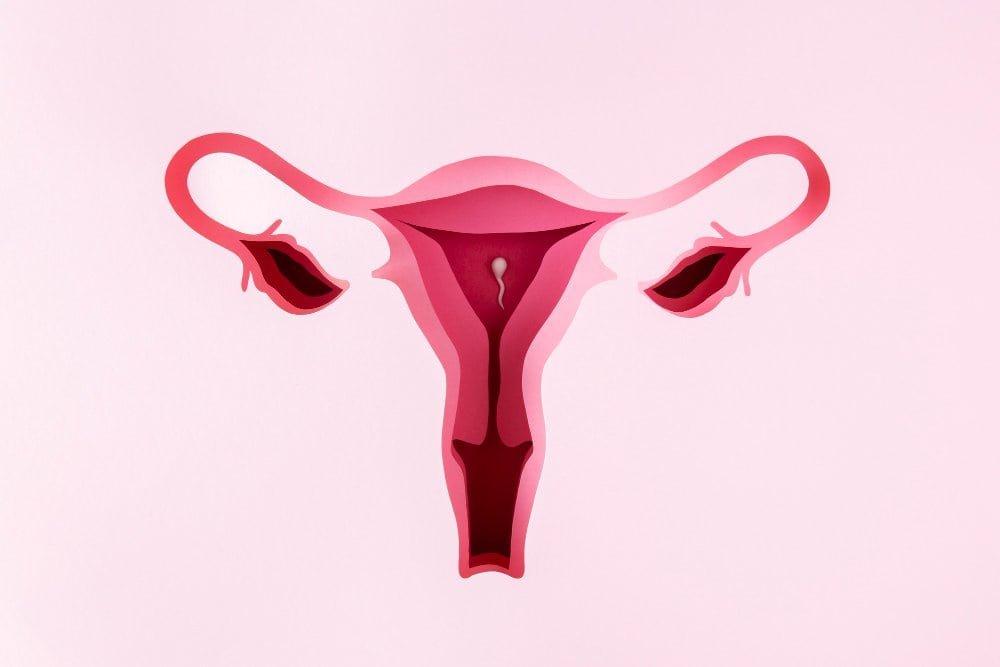
What Are the Different Types of Fibroids in Uterus?
Uterine fibroids, also called leiomyomas, are noncancerous tumors that develop from the smooth muscle tissue of the uterus. While the term “tumor” might sound alarming, these growths are benign and rarely become cancerous. The anatomical classification of uterine fibroids is based primarily on their location within or around the uterus.
The main types of fibroids include:
Intramural fibroids
These grow within the muscular wall of the uterus itself, making them the most common type. They can cause the uterus to appear enlarged and may lead to heavy menstrual bleeding.
Subserosal fibroids
Located on the outer wall of the uterus, these masses can grow large enough to make your uterus appear bigger on one side. They typically cause pressure symptoms rather than bleeding issues.
Submucosal fibroids
These develop just beneath the lining of the uterine cavity and bulge into the space where a baby would grow. Even small submucosal growths can cause significant bleeding and fertility challenges.
Pedunculated fibroids
Whether subserosal or submucosal, some fibroids grow on small stalks called peduncles, giving them a mushroom-like appearance.
The FIGO classification system provides a more detailed approach, numbering fibroids from 0-8 based on their specific location and how much they extend into different layers of the uterus.
Types of Fibroids and Their Location: Where Do They Develop?
Understanding where fibroids grow helps explain why different women experience vastly different symptoms. Your uterus has several layers – the inner lining (endometrium), the thick muscular wall (myometrium), and the outer covering (serosa). Fibroids can originate from any of these areas.
- Within the muscular wall – Intramural fibroids make up about 70% of all cases. Because they grow inside the uterus wall, they can distort both the outer shape and inner cavity as they expand.
- Beneath the outer surface – Subserosal types extend outward from the uterus toward your pelvic cavity. These can press against your bladder, causing frequent urination, or push on your rectum, leading to constipation.
- Under the cavity lining – Submucosal fibroids are less common but often cause the most troublesome bleeding. They can project into your uterine cavity, sometimes growing large enough to fill the entire space.
- Near the cervix – Cervical fibroids develop in the wall of the cervix rather than the main body of the uterus. They’re relatively rare but can complicate childbirth.
The location matters tremendously when determining treatment strategies. A fibroid pressing on your bladder creates different challenges than one causing heavy periods, even if they’re the same size.
Which Type of Fibroid Is Dangerous? Understanding Risk Levels
Most women worry about cancer when they hear they have tumors. Here’s the reassuring truth: fibroids are cancerous in fewer than 1 in 1,000 cases. The condition called leiomyosarcoma is a separate, rare cancer that can develop in the uterus but isn’t actually a fibroid that “turned bad.”
However, certain characteristics deserve attention:
- Rapidly growing masses – While most fibroids grow slowly, those that enlarge quickly, especially after menopause, warrant closer examination to rule out other conditions.
- Submucosal types causing severe bleeding – These can lead to anemia serious enough to require blood transfusions if left untreated. The constant blood loss impacts your energy, concentration, and overall quality of life.
- Large subserosal fibroids – When these reach grapefruit size or larger, they can press on organs, potentially affecting kidney function if they block the ureters (tubes connecting kidneys to bladder).
- Pedunculated fibroids – Those on stalks occasionally twist, cutting off their blood supply. This causes sudden, severe pain requiring emergency treatment.
The “danger” usually relates more to quality of life than actual cancer risk. Chronic pain, debilitating bleeding, or organ pressure significantly impact your daily activities, relationships, and mental health – concerns just as valid as any medical emergency.
Is Intramural Fibroid Dangerous? What You Should Know
Intramural fibroids represent the most common type, growing within the uterus wall itself. Their danger level depends entirely on their size, number, and impact on your body rather than their classification.
Small intramural growths often cause no symptoms whatsoever. Many women discover them incidentally during ultrasounds for other reasons. However, as these fibroids grow, they can:
- Distort the uterine cavity, potentially affecting fertility or pregnancy
- Cause the uterus to enlarge, creating a feeling of fullness or pressure
- Lead to heavier, longer menstrual periods as they interfere with normal uterine contractions
- Press on surrounding structures as they expand outward
The real concern with intramural fibroids isn’t danger in a life-threatening sense, but rather their potential to grow multiple inches in diameter. A 10-centimeter intramural fibroid can make your uterus the size of a four-month pregnancy, causing visible abdominal swelling and significant discomfort.
Your body’s estrogen levels influence how these growths behave. During reproductive years when estrogen is high, intramural fibroids may grow steadily. After menopause, when estrogen drops, they typically shrink on their own – which is why monitoring is sometimes a reasonable approach for women nearing perimenopause.
Treatment of Fibroid: Modern Approaches Beyond Hysterectomy 💡
For decades, women faced limited choices: live with symptoms or remove the entire uterus. Today’s treatment landscape offers far more options, especially for those wanting to preserve their reproductive organs.
- Watchful waiting works well when fibroids cause minimal symptoms. Regular monitoring ensures any changes are caught early.
- Medications can help manage symptoms temporarily. Hormonal treatments may reduce bleeding, while pain relievers address discomfort. However, these don’t eliminate the growths themselves.
- Myomectomy surgically removes individual fibroids while leaving the uterus intact. This option appeals to women desiring future pregnancy, though fibroids can regrow over time.
- Uterine Artery Embolization (UAE) represents a breakthrough in fibroid management. This minimally invasive procedure blocks blood flow to fibroids, causing them to shrink. Dr. Samir Abdel Ghaffar specializes in this technique, which requires no major incision, preserves the uterus, and allows most women to return home the same day.
During UAE, tiny particles are injected through a catheter into the arteries feeding the fibroids. Without their blood supply, the growths shrink by an average of 50% over several months. Symptoms improve in about 90% of women, with most experiencing dramatic relief from bleeding and pressure within weeks.
- Hysterectomy – complete removal of the uterus – remains an option but should be considered carefully. While it permanently resolves fibroid symptoms, it’s major surgery with significant recovery time and ends any possibility of pregnancy.
The best treatment depends on your specific situation: fibroid type and location, symptom severity, desire for future children, and personal preferences about surgery and recovery time.
Subserosal Fibroid: Symptoms and Management
Subserosal fibroids grow on the outer uterine wall, extending into the pelvic cavity. Because they develop away from the uterine lining, they rarely cause the heavy menstrual bleeding associated with other types.
Instead, women with subserosal growths typically experience:
- Pressure symptoms – As these fibroids expand outward, they press on nearby organs. You might feel like you constantly need to urinate, even when your bladder isn’t full. Constipation can develop if fibroids press against your rectum.
- Pelvic discomfort – Large subserosal fibroids create a sensation of fullness or heaviness in your lower abdomen. Some women describe it as feeling perpetually bloated.
- Back pain – When located on the posterior (back) wall of the uterus, these masses can press on nerves, causing lower back pain that worsens with certain positions.
- Visible swelling – Subserosal fibroids can grow quite large before causing symptoms. Some reach the size of a melon, creating noticeable abdominal enlargement that’s often mistaken for weight gain.
- Pain during sex – Depending on their position, these fibroids can make intercourse uncomfortable, particularly with deep penetration.
Managing subserosal fibroids depends on symptom severity. Small, asymptomatic ones may simply be monitored. When they cause significant pressure or pain, minimally invasive treatments like uterine artery embolization effectively shrink them without requiring major surgery. Unlike fibroids that distort the uterine cavity, subserosal types rarely affect fertility directly, though extremely large ones might complicate pregnancy.
Intramural Fibroid Ultrasound: How Diagnosis Works
Ultrasound remains the primary tool for detecting and evaluating intramural fibroids. This painless imaging technique uses sound waves to create pictures of your uterus, revealing the number, size, and location of any growths present.
- Transabdominal ultrasound involves moving a device called a transducer across your lower abdomen. You’ll need a full bladder for this exam, as it helps create clearer images. This approach works well for viewing larger fibroids and getting an overall picture of your uterus.
- Transvaginal ultrasound provides more detailed images, especially of smaller fibroids and those near the uterine lining. A slender probe is gently inserted into the vagina, allowing the ultrasound to get much closer to the uterus. While some women feel anxious about this exam, most find it causes minimal discomfort.
On ultrasound images, intramural fibroids typically appear as round or oval masses with defined edges within the uterine wall. The muscular wall itself may look thickened or irregular if multiple fibroids are present.
Sometimes additional imaging is needed:
- MRI scans provide the most detailed view, showing exact fibroid locations and helping plan treatment approaches. They’re particularly useful before procedures like UAE or myomectomy.
- Sonohysterography involves injecting sterile fluid into the uterus during ultrasound, creating better visualization of the uterine cavity and any submucosal components.
- Hysteroscopy uses a thin camera inserted through the cervix to directly view the inside of the uterus, perfect for examining submucosal fibroids.
The diagnosis process typically begins with your description of symptoms, followed by a pelvic exam where your doctor feels for an enlarged or irregularly shaped uterus. Ultrasound then confirms the presence of fibroids and provides essential information about their characteristics.
Intramural Fibroid Treatment: Tailored Solutions
Because intramural fibroids are so common and vary widely in size and impact, treatment must be individualized. What works perfectly for one woman might not suit another, even with similar fibroid characteristics.
- For small, asymptomatic intramural fibroids, observation is often the wisest course. Regular check-ups ensure they’re not growing rapidly or beginning to cause problems. This conservative approach avoids unnecessary interventions.
- Hormonal medications can help control symptoms temporarily. Birth control pills, hormonal IUDs, or GnRH agonists may reduce heavy bleeding and shrink fibroids somewhat. However, most resume growing once medication stops, making this a short-term solution.
- Uterine artery embolization excels at treating intramural fibroids of various sizes. The procedure works by blocking blood flow to the fibroids while preserving circulation to healthy uterine tissue. Over subsequent weeks and months, the oxygen-starved fibroids shrink and symptoms improve dramatically. 🌟
Dr. Samir Abdel Ghaffar has helped countless women avoid hysterectomy through this minimally invasive approach. The procedure requires only local anesthesia and a tiny puncture in your groin or wrist – no large incisions. Most women go home the same day and return to normal activities within a week.
- Myomectomy surgically removes individual fibroids while preserving the uterus. This option appeals particularly to women planning future pregnancies. However, surgery carries more risks than UAE, requires longer recovery, and doesn’t prevent new fibroids from developing.
- Hysterectomy or supracervical hysterectomy (removing the uterus while leaving the cervix) provides permanent relief but ends fertility and requires major surgery with significant recovery time.
The choice between these approaches depends on multiple factors: how much fibroids affect your daily life, whether you plan to have children, your overall health, and your preferences regarding surgery and recovery.
Prevention of Uterine Fibroid: Can You Reduce Your Risk?
While you can’t completely prevent fibroids, understanding risk factors helps you make informed choices that might reduce your likelihood of developing them or slow their growth.
Factors beyond your control include:
- Family history – if your mother or sister had fibroids, your risk increases
- Age – fibroids are most common during reproductive years
- Ethnicity – they develop more frequently and at younger ages in women of African descent
Modifiable factors you can address:
- Maintain a healthy weight – Obesity increases fibroid risk because fat tissue produces estrogen. Even modest weight loss can help, as excess estrogen promotes fibroid growth.
- Eat more vegetables and fruits – Diets rich in green vegetables appear protective. Some research suggests vitamin D supplementation might reduce risk, though more studies are needed.
- Limit red meat and alcohol – Both have been associated with higher fibroid rates in some studies, while fish consumption shows potential protective effects.
- Exercise regularly – Physical activity helps maintain healthy weight and may reduce estrogen levels, potentially lowering fibroid risk.
- Consider vitamin D – Some evidence suggests adequate vitamin D levels might offer protection, though this research is still developing.
- Manage stress – While not directly proven to cause fibroids, chronic stress affects hormone balance throughout your body.
- Understand birth control effects – Long-term use of birth control pills might slightly reduce risk, though this area needs more research.
It’s important to remember that even with perfect lifestyle choices, some women still develop fibroids due to genetic factors and hormonal influences beyond anyone’s control. If fibroids do develop, focus shifts from prevention to appropriate management.
Living with Fibroids: Impact on Daily Life and Relationships
Beyond medical terminology and treatment options, fibroids affect real women living real lives. The physical symptoms often extend into emotional, social, and relationship challenges that deserve acknowledgment.
Heavy bleeding can make you afraid to leave home during your period, worried about accidents at work or social events. The constant need to change protection, combined with severe cramping, disrupts sleep and concentration. Many women develop anemia from chronic blood loss, leading to exhaustion that affects every aspect of life.
Pelvic pressure and pain can interfere with exercise, making it difficult to maintain fitness or enjoy physical activities you once loved. Some women feel self-conscious about abdominal swelling from large fibroids, affecting their body image and clothing choices.
Intimate relationships face strain when fibroids cause pain during sex. The combination of physical discomfort, heavy bleeding, and fatigue can reduce desire and create distance between partners. Open communication becomes essential, yet many women feel embarrassed discussing these issues.
Fertility concerns weigh heavily on women hoping to have children. While many with fibroids conceive and carry pregnancies successfully, uncertainty about whether these growths will interfere creates anxiety and stress.
The good news is that effective treatment dramatically improves quality of life. Women who undergo procedures like uterine artery embolization often report feeling like they’ve reclaimed their lives – no more planning activities around bleeding schedules, no more chronic exhaustion, and renewed confidence in their bodies.
Frequently Asked Questions About Fibroids
What are the 4 types of fibroids?
The four main types are intramural (within the uterine wall), subserosal (on the outer surface), submucosal (beneath the cavity lining), and pedunculated (attached by a stalk). These classifications are based on where the fibroid grows in relation to the uterine structure.
What type of fibroids need to be removed?
Fibroids requiring removal are those causing significant symptoms like severe bleeding, anemia, pain, or organ pressure. Submucosal fibroids often need treatment even when small because they interfere with the uterine cavity. Large fibroids of any type that affect quality of life also warrant removal or other intervention.
What is type 7 fibroid?
In the FIGO classification system, type 7 fibroids are subserosal growths attached to the outer uterine wall by more than 50% of their diameter. This detailed classification helps doctors plan appropriate treatment approaches.
Can fibroids cause leg swelling?
Yes, very large fibroids can press on blood vessels or lymph nodes in the pelvis, potentially causing swelling in the legs. However, this is uncommon and usually only occurs with quite large masses. If you experience leg swelling, consult your doctor to rule out other causes.
What are the worst fibroids to have?
Submucosal fibroids are often considered the most problematic because even small ones cause heavy bleeding and can significantly impact fertility. Large intramural fibroids that distort the uterine cavity also create substantial challenges. However, “worst” really depends on individual circumstances and symptoms.
Which type of fibroids are cancerous?
Fibroids themselves are benign, not cancerous. Leiomyosarcoma is a rare cancer that can develop in the uterus but is a different condition entirely, not a fibroid that became malignant. True cancerous transformation of a benign fibroid is extremely rare.
At what stage should fibroids be removed?
Removal or treatment should be considered when fibroids cause symptoms that significantly affect your quality of life, lead to anemia from heavy bleeding, interfere with fertility or pregnancy, or grow rapidly. Asymptomatic fibroids can often be monitored without intervention.
What are the main causes of fibroids?
The exact cause remains unknown, but genetic factors, hormones (especially estrogen and progesterone), and growth factors all play roles. Family history, age, obesity, and ethnicity influence risk. They’re not caused by anything you did wrong or could have prevented.
What happens if fibroids are not removed?
Many women live with small, asymptomatic fibroids without problems. However, untreated symptomatic fibroids can lead to chronic anemia, ongoing pain, fertility challenges, or organ complications from pressure. Most fibroids shrink naturally after menopause when hormone levels drop.
Which type of fibroid is most difficult to remove?
Large intramural fibroids deeply embedded in the uterine wall present the greatest surgical challenge. Multiple fibroids scattered throughout the uterus can also complicate surgical removal. This is one reason many doctors and patients prefer uterine artery embolization, which treats all fibroids simultaneously regardless of size or location.
What type of fibroids cause the most pain?
Pedunculated fibroids can cause sudden severe pain if they twist. Submucosal fibroids sometimes try to expel themselves from the uterus, causing intense cramping. Large fibroids pressing on organs or nerves create chronic pelvic pain. Pain severity varies greatly between individuals.
Why Choose Uterine Artery Embolization with Dr. Samir Abdel Ghaffar
When facing fibroid treatment decisions, you deserve options that preserve your health while effectively addressing symptoms. Uterine artery embolization offers a middle path between watchful waiting and major surgery.
Dr. Samir Abdel Ghaffar brings extensive expertise in interventional radiology to fibroid treatment. His specialized training in catheter-based procedures allows him to access and treat fibroids through blood vessels, avoiding large incisions entirely.
The advantages of choosing UAE include:
- Uterus preservation for women wanting future pregnancy or simply preferring to keep their organs
- Treating all fibroids simultaneously, regardless of number or location
- Minimal recovery time compared to surgery – most patients return to work within a week
- Low complication rates with experienced practitioners
- No general anesthesia required
- Same-day or overnight procedures without lengthy hospital stays
Patients consistently report dramatic symptom improvement within weeks, with full results evident over several months as fibroids continue shrinking.
If you’re struggling with fibroid symptoms and want to explore alternatives to hysterectomy, contact Dr. Samir Abdel Ghaffar to discuss whether uterine artery embolization suits your situation. 💪
In London, UK:
- Clinic: 00442081442266
- WhatsApp: 00447377790644
In Egypt:
- Cairo Booking: +201000881336
- WhatsApp: +201000881336
Your journey toward symptom relief and improved quality of life begins with understanding your options and choosing the approach that aligns with your goals and values. Don’t let fibroids control your life when effective, minimally invasive solutions exist.