 العربية
 Do heavy periods and pelvic pain control your daily life, making you feel trapped by your own body? The fear of major surgery or losing your uterus often prevents women from seeking help, leaving them suffering in silence.
But you don’t have to choose between living in pain and undergoing a hysterectomy. Today, advanced medical science offers a safe, effective solution through the treatment of fibroids without surgery, restoring your health and peace of mind.

Is Fibroid Curable Without Surgery?
Many women diagnosed with uterine fibroids immediately fear that the only “cure” is a hysterectomy (removal of the uterus). This is a common misconception that has led countless women to undergo unnecessary major surgeries. The short answer is: Yes, the symptoms and the impact of the disease can be effectively “cured” or managed without removing the organ.
While “cure” in a strict medical sense often implies the complete eradication of every single cell, the goal of modern Fibroid Care is to eliminate the problems the fibroids cause—pain, bleeding, and bulk symptoms—and to shrink the tumors significantly so they no longer affect your life.
Non-surgical fibroid treatments focus on targeting the fibroid tissue itself while leaving the healthy uterus intact. Approaches like Uterine Fibroid Embolization (UFE) have revolutionized how we approach these benign growths. By cutting off the blood supply to the fibroids, we cause them to shrink and die. The body then naturally absorbs the treated tissue over time.
This approach is particularly vital for women of reproductive age who wish to preserve their uterus, or for those who simply want to avoid the long recovery times and risks associated with invasive surgery. Studies and data from major institutions like the Mayo Clinic have highlighted the efficacy of these minimally invasive techniques in providing lasting relief.
New Treatment for Fibroids Without Surgery: The UFE Revolution
When we discuss the new treatment of fibroids without surgery, we are primarily talking about the advancements in Interventional Radiology, specifically Uterine Fibroid Embolization (UFE). This is the cornerstone of Dr. Samir Abdel Ghaffar’s practice.
What is UFE?
Unlike a myomectomy (surgical removal of fibroids) or hysterectomy, UFE does not require general anesthesia or large incisions. It is a minimally invasive procedure performed through a tiny pinhole in the wrist or groin.
How does it work?
- Catheterization: Dr. Samir inserts a very thin catheter into the blood vessels.
- Navigation: Using advanced imaging (fluoroscopy), he guides the catheter to the uterine arteries that supply blood to the fibroids.
- Embolization: Tiny particles (microspheres) are injected to block these specific vessels.
- Result: Deprived of blood and nutrients, the fibroids begin to shrink immediately. The symptoms—heavy bleeding, pain, and pressure—often improve dramatically within the first cycle after the procedure.
This method is considered one of the most effective ways to treat multiple fibroids at once, regardless of their location or number. It is an expert approach that treats the entire uterus in one session, reducing the percentage of recurrence compared to removing individual fibroids surgically.
Best Treatment for Large Fibroids
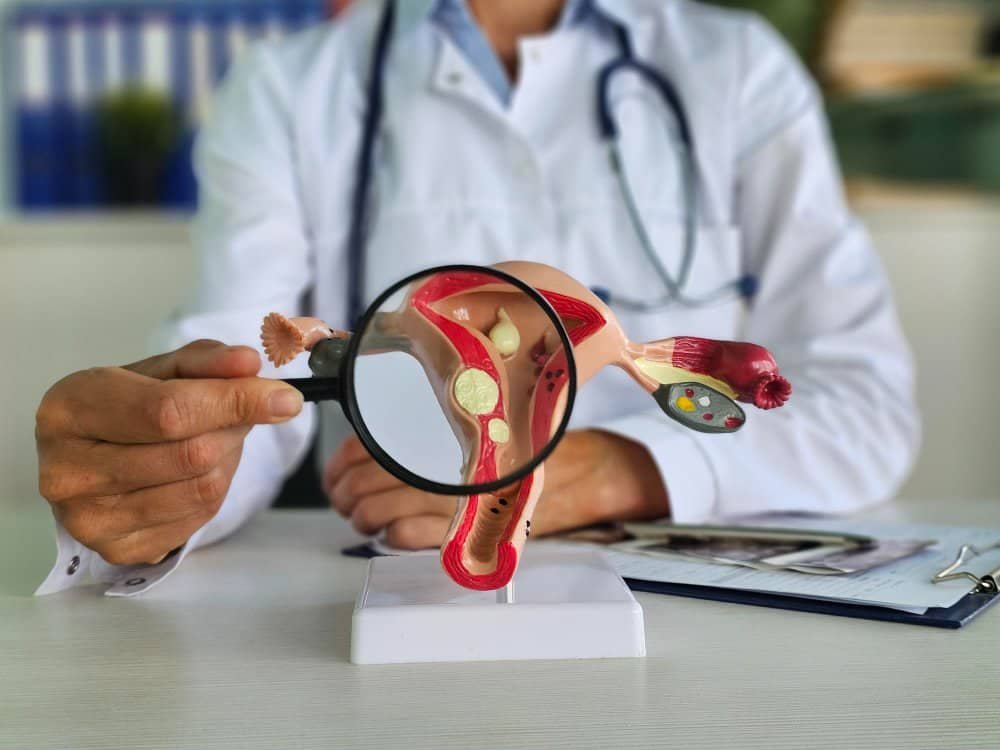
A common question patients ask Dr. Samir is, “My doctor said my fibroids are too big for anything but surgery. Is that true?”
In the past, size was a limiting factor for non-surgical options. However, with the advanced techniques used in UFE, size is rarely a barrier. In fact, UFE is often the best treatment options for large or multiple fibroids because it avoids the massive trauma a surgeon would have to inflict on the uterus to cut them out.
When you surgically remove a large fibroid, you risk significant blood loss and the formation of scar tissue (adhesions), which can cause future pain or fertility issues. Nonsurgical treatment options like embolization treat the fibroid from the “inside out.” Even very large fibroids can shrink by 50-60% in volume, which is usually enough to stop them from pressing on the bladder or bowel and to flatten the abdomen.
Benefits of UFE for Large Fibroids:
- No abdominal scar: The procedure is internal.
- Shorter recovery: You can typically return to normal life in days, not weeks.
- Safety: It avoids the risks of major surgery, such as infection or injury to other organs.
How to Shrink Fibroids Naturally Without Surgery
Many women prefer to explore natural avenues before committing to a medical procedure. While lifestyle changes cannot typically “cure” existing large fibroids or make them vanish, they play a crucial role in managing symptoms, preventing further growth, and supporting health after a procedure like UFE.
Hormonal Balance and Lifestyle
Fibroids are hormonally driven, thriving on estrogen. Therefore, a lifestyle that promotes hormonal balance can be helpful. This includes managing stress, getting enough sleep, and avoiding exposure to xenoestrogens (chemicals that mimic estrogen) found in certain plastics and pesticides.
Weight Management
Fat cells produce estrogen. Maintaining a healthy weight through diet and exercise can help regulate the hormone levels in your body, potentially slowing fibroid growth.
7 Foods for Shrinking Fibroids
While no single food is a “magic bullet,” an anti-inflammatory diet can help relieve symptoms and create an environment less improved for tumor growth. Here are 7 dietary additions to consider:
- Cruciferous Vegetables: Broccoli, cauliflower, and kale contain indole-3-carbinol, which supports the liver in metabolizing excess estrogen.
- Green Tea: Contains EGCG, an antioxidant shown in some studies to inhibit fibroid cell growth.
- Citrus Fruits: Rich in Vitamin C and bioflavonoids, which help strengthen blood vessels and may reduce heavy bleeding.
- Flaxseeds: High in fiber and lignans, helping the body eliminate excess estrogen safely.
- Fatty Fish: Salmon and mackerel are rich in Omega-3 fatty acids, which reduce inflammation and painful cramping.
- Berries: Blueberries and strawberries are packed with antioxidants that fight oxidative stress.
- Vitamin D-Rich Foods: There is a strong link between Vitamin D deficiency and fibroid formation. Fortified foods or safe sun exposure are key.
Note: Always discuss dietary changes with your doctor, especially if you are taking medications.
Fibroid Removal Without Surgery Cost
Cost is a practical and important consideration. When comparing the Treatment of Fibroids Without Surgery (UFE) to traditional surgery, there are several factors to keep in mind.
While we do not list specific prices here as they vary by case and insurance coverage, UFE is generally cost-effective when you consider the “total cost” of recovery.
- Hospital Stay: Surgery often requires 2-4 days in the hospital. UFE is typically a day-case or requires only an overnight stay.
- Return to Work: Recovery from a hysterectomy can take 6 to 8 weeks. UFE patients often return to work within a week. This means less lost income and better productivity.
- Medication and Aftercare: The need for long-term pain medication and wound care is significantly lower with non-surgical options.
Dr. Samir’s team works with various medical insurance providers to ensure this safe treatment is accessible.
New Treatment for Fibroids Surgery
It is fair to ask: “What if I do need surgery?” While this article focuses on avoiding it, it is important to understand the landscape.
Newer surgical methods, like robotic-assisted myomectomy, are less invasive than open surgery but still carry surgical risks. They involve anesthesia, incisions, and uterine scarring. The distinct advantage of Dr. Samir’s approach—uterine fibroid embolization—is that it is completely nonsurgical.
There is also a technology called Focused Ultrasound Surgery (FUS or HIFU), which uses sound waves to heat and destroy fibroid tissue inside an MRI machine. While promising, it is time-consuming and often not suitable for women with multiple or very large fibroids. UFE remains the most versatile non-surgical option that covers the widest range of patient conditions.
Frequently Asked Questions
To help you learn more and make an informed decision, here are answers to common questions we receive at the clinic.
Can fibroids cause fever?
Generally, fibroids do not cause fever. However, if a fibroid grows very rapidly and outgrows its blood supply, it can degenerate (break down), causing pain and a low-grade fever. If you have fibroids and experience a high fever, it is crucial to see a doctor immediately to rule out infection or other common complications.
When to remove fibroids in the uterus?
“Removal” isn’t always necessary. You should seek treatment (whether UFE or removal) if the fibroids are causing symptoms that affect your quality of life—such as heavy periods, anemia, severe pelvic pain, or bladder pressure. If fibroids are small and asymptomatic, “watchful waiting” with regular ultrasound monitoring is often recommended.
Can fibroids cause Nausea?
Yes, large fibroids can press on the stomach or intestines, leading to digestive issues, bloating, and a sensation of nausea, especially after eating.
Can fibroids cause shortness of breath?
In rare cases involving extremely large fibroids, the uterus can expand upward into the abdominal cavity, pressing against the diaphragm. This restricts lung expansion and can cause shortness of breath or difficulty breathing deeply. This is a sign that immediate intervention is needed.
Why Choose Dr. Samir Abdel Ghaffar?
Your health is your most valuable asset. Dr. Samir Abdel Ghaffar is a renowned Consultant in Interventional Radiology, specializing in the treatment of fibroids without surgery. With years of experience in both the UK and Egypt, he offers a level of care that prioritizes organ preservation and patient comfort.
Dr. Samir utilizes the latest catheterization techniques to ensure the procedure is painless and effectively targets the tumors. His approach is holistic, understanding that every woman’s body and goals are different.
By choosing uterine artery embolization, you are choosing a faster recovery, no surgical scars, and the preservation of your uterus. It is a safe, modern alternative that has helped thousands of women regain their lives 🌟.
If you are suffering from fibroids and want to avoid the risks of major surgery, contact us today to discuss if you are a candidate for this life-changing procedure.
Contact Dr. Samir Abdel Ghaffar:
1. London, UK 🇬🇧
- Clinic number: 00442081442266
- WhatsApp number: 00447377790644
2. Egypt 🇪🇬
- Cairo Booking Number: +201000881336
- WhatsApp Number: +201000881336