Blog

  • laparoscopic myomectomy risks and complications, Recovery, and the Safer Alternative

    laparoscopic myomectomy risks and complications, Recovery, and the Safer Alternative

    Are you living in constant pain because of uterine fibroids? The heavy bleeding and pressure are exhausting, but the thought of invasive surgery and potential risks creates even more anxiety. You are not alone in fearing the laparoscopic myomectomy risks and complications. Fortunately, there is a way to regain your health without going under the knife.
    laparoscopic myomectomy risks and complications

    Understanding the Real Risks of Myomectomy

    When you sit down with a doctor to discuss uterine fibroids, the conversation often jumps straight to surgery. Whether it is an abdominal incision or a keyhole procedure, the goal is to remove the fibroids. However, it is crucial to look beyond the “routine” label and understand what this operation actually involves.

    Every surgery carries risks. Even with a skilled surgeon, myomectomies are invasive procedures that physically cut into the uterus. While the goal is preserving fertility, the surgical trauma to the uterine wall can lead to unforeseen issues. We need to have an honest discussion about what happens inside the operating room and, more importantly, what happens during the recovery phase.

    While many women are told they have a low rate of complications, “low” does not mean zero. For the patient experiencing them, those statistics become a life-changing reality.

    laparoscopic myomectomy risks and complications

    Laparoscopic surgery, often called minimally invasive or keyhole surgery, is frequently marketed as the “easy” option. While the incisions are smaller than open surgery, the internal work is still major.

    One of the most significant risks is intraoperative bleeding. The uterus is a highly vascular organ, meaning it has a rich blood supply. When a myoma (fibroid) is cut out, bleeding can be difficult to control. In some cases, if blood loss becomes excessive, the surgeon may be forced to convert the procedure to an open abdominal surgery or, in very rare and extreme cases, perform a hysterectomy to save the patient’s life.

    Furthermore, laparoscopic myomectomy complications can extend to damage of surrounding organs. The bladder, bowel, and ureters are in close proximity to the uterus. During the dissection or use of thermal energy tools to stop bleeding, accidental injury to these organs can occur. These injuries might not be immediately obvious during the operation but can lead to severe infection or peritonitis days later.

    Another controversial aspect involves morcellation. This is a technique where the fibroid is cut into smaller pieces to be removed through small incisions. There has been significant medical debate regarding the complication risks of laparoscopic morcellation, specifically the potential to spread undetected abnormal cells throughout the abdominal cavity.

    Laparoscopic Myomectomy Recovery

    Recovery is often the most underestimated part of the planning process. Patients are frequently told they can return to work quickly, but the body needs time to heal deep internal wounds.

    What to expect:

    • Pain Management: You will likely need significant pain medication for the first few days to manage pain at the incision sites and from internal healing.
    • Physical Limitations: heavy lifting and strenuous activity are restricted for weeks.
    • Fatigue: The body uses a lot of energy to repair tissues, leading to tiredness.
    • Digestive Issues: Anesthesia and abdominal surgery can slow down the bowel, causing bloating and discomfort.

    While the external scars of a laparoscopic procedure are small, the uterus itself has been cut and stitched. Complete healing of the uterine muscle takes months, which is a critical factor if you are planning a future pregnancy.

    Types of Myomectomy
    Types of Myomectomy

    Understanding the types of procedures helps in analyzing the risk. The selection of the type usually depends on the size, number, and location of the fibroids.

    1. Abdominal Myomectomy (Open Surgery):
      This involves a large incision (like a C-section). It is usually reserved for very large fibroids. It allows the surgeon to feel the tissue directly but comes with a much longer recovery, higher blood loss, and more pain. Open surgery is widely considered the most invasive option.
    2. Laparoscopic Myomectomy:
      As discussed, this uses small incisions and a camera. It requires advanced skills from the surgeon. However, it often leads to longer surgeries compared to open procedures because stitching the uterus laparoscopically is technically difficult and time-consuming.
    3. Hysteroscopic Myomectomy:
      This is performed through the vagina and cervix. It is only an option for submucosal fibroids (those inside the uterine cavity). It has fewer risks but is not suitable for the majority of women who have fibroids growing within the muscle wall or on the outside of the uterus.
    4. Robotic Myomectomy:
      Similar to laparoscopic, but the surgeon uses a console to control robotic arms. While precise, it still carries the same inherent surgical risks of anesthesia, bleeding, and organ injury.

    Adhesions and Long-Term Effects

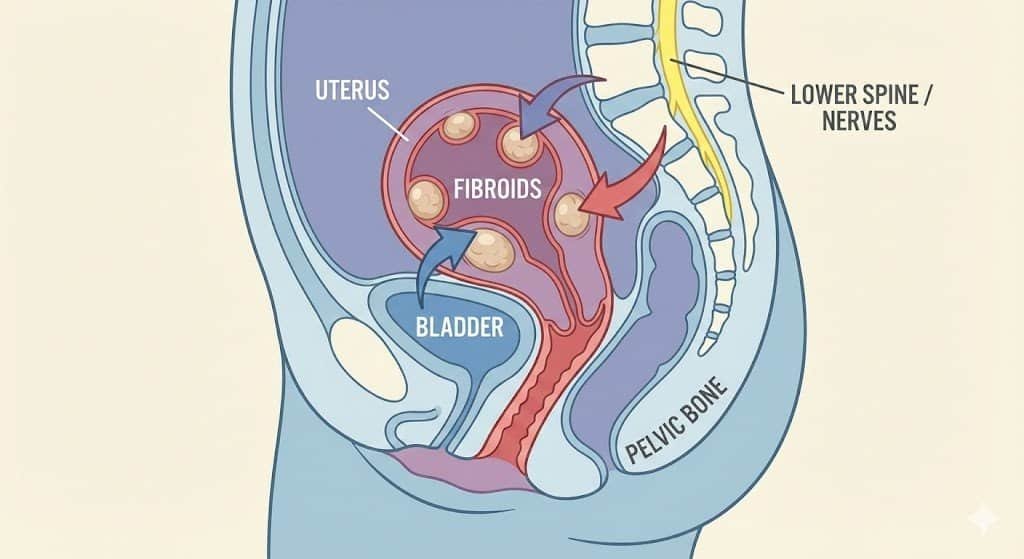
    One of the silent enemies of pelvic surgery is the formation of adhesions. Adhesions are bands of scar tissue that form between organs. After a myomectomy, the raw surface of the healing uterus can stick to the bowel, bladder, or ovaries.

    This can cause chronic pelvic pain, intestinal blockage, and ironically, fertility issues—the very thing many women are trying to protect. If the fallopian tubes become blocked by scar tissue, natural conception becomes difficult. Discussion about adhesions is often skipped during the initial consultation, but it affects a significant percentage of patients.

    Fertility and Pregnancy Risks

    Many women undergo myomectomy specifically to improve fertility. However, the surgery itself poses risks to future pregnancy.

    When the uterine wall is cut, it creates a weak point. During labor, the strong contractions required to deliver a baby can put immense pressure on this scar. This leads to an increased risk of uterine rupture, a catastrophic event where the uterus tears open, endangering the life of both the mother and the baby. Because of this potential danger, most women who have had a deep myomectomy will be required to have a C-section for all future deliveries to reduce the risk of rupture during labor.

    How Fast Do Fibroids Grow Back After Myomectomy?

    This is the question every patient should ask. Surgery removes the visible fibroids, but it does not treat the underlying cause.

    Recurrence rates are frustratingly high.

    Research suggests that new fibroids can grow back within a few years. Studies indicate that up to 30-50% of women may experience recurrence within 5 years following surgery.

    • Why? The hormonal imbalance and genetic factors driving fibroid growth remain active.
    • The Result: Many women find themselves facing a second or third surgery down the line. This cycle of surgeries increases the cumulative risk of scar tissue and complications.

    Anemia and the Pre-operative State

    Many patients suffer from severe anemia due to heavy periods before they even get to the hospital. Operating on an anemic patient increases the surgical risk. Doctors often try to boost iron levels before surgery, but if bleeding is severe during the operation, an anemic patient tolerates it poorly, increasing the likelihood of needing a blood transfusion.

    The Conservative Approach vs. Invasive Surgery

    Is there a conservative way to treat fibroids that doesn’t involve cutting? Yes.

    Modern medicine has shifted towards minimal invasive techniques that focus on treating the organ without physically traumatizing it. We need to move away from the mindset that “cutting it out” is the only cure. The outcomes of non-surgical treatments have proven that you can get relief without the downtime or the scars.

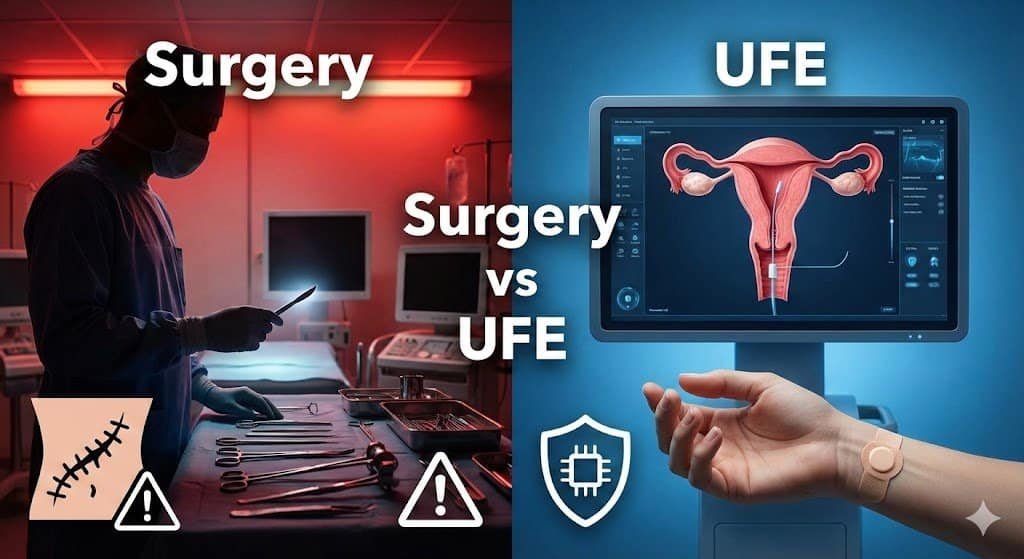
    Which is Better, UFE or Myomectomy?

    This comparison is vital for your decision-making analysis.

    Myomectomy (Surgery):

    • Pros: Removes the fibroid immediately.
    • Cons: General anesthesia, surgical incisions, risk of infection/bleeding, long recovery (4-6 weeks), risk of adhesions, risk of uterine rupture in pregnancy, high recurrence rate.
    • Hospital Stay: Usually 1-3 days.

    Uterine Fibroid Embolization (UFE):

    • Pros: No general anesthesia, no surgical incisions (only a tiny pinhole), uterus remains intact, treats ALL fibroids at once, very short recovery (approx. 1 week), no risk of surgical adhesions.
    • Cons: Post-procedure cramping (managed with medication).
    • Hospital Stay: Same-day discharge or one night.

    When you weigh the gains, UFE stands out as the superior choice for women who wish to avoid the trauma of surgery while effectively treating their symptoms.

    Why UFE is the Best Modern Treatment for Fibroids
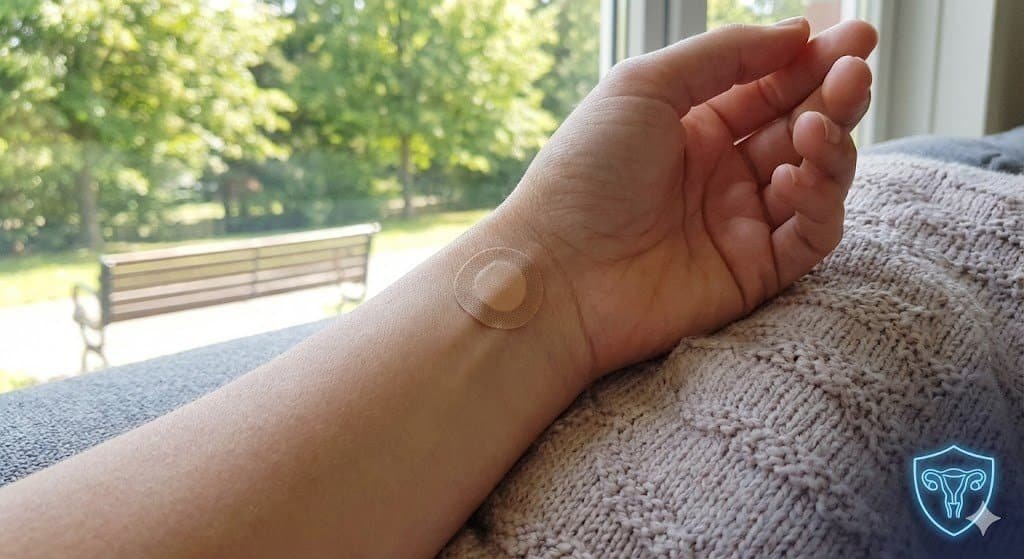
    Which is Better, UFE or Myomectomy?

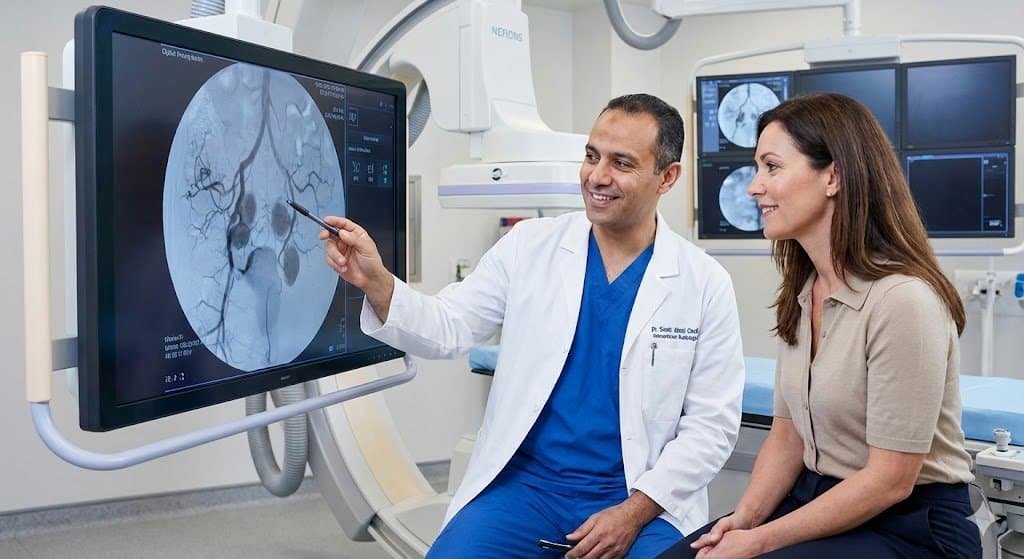
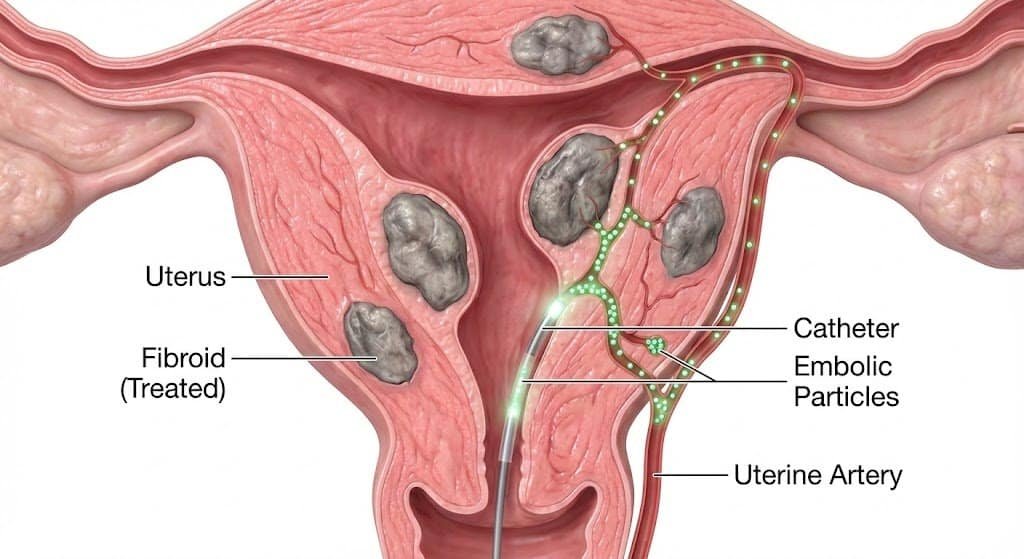
    Uterine Fibroid Embolization (UFE), performed by an Interventional Radiologist like Dr. Samir Abdel Ghaffar, uses advanced imaging to treat fibroids from the inside out.

    How it works:

    Instead of cutting the uterus, Dr. Samir inserts a thin catheter into the artery through a tiny nick in the skin (usually the wrist or groin). He guides this catheter to the uterine arteries that supply blood to the fibroids. Tiny particles are injected to block this blood supply.

    Why it is a game-changer:

    1. Starves the Fibroids: Without blood, the fibroids shrink and die.
    2. Comprehensive Treatment: It treats all fibroids present, even the tiny ones that a surgeon might miss during a myomectomy. This significantly lowers the chance of recurrence.
    3. Preserves the Uterus: There is no cutting, sewing, or scarring of the uterine wall.
    4. Quick Recovery: Most women are back to their normal lives within a week 🌿.

    This procedure explains why modern healthcare is moving away from dependent surgical methods toward intelligent, image-guided interventions. It offers benefits that surgery simply cannot match.

    Dr. Samir Abdel Ghaffar: Expert Care Without Surgery

    Dr. Samir Abdel Ghaffar is a renowned Consultant in Interventional Radiology. He specializes in treating uterine fibroids and adenomyosis using uterine artery catheterization (UFE).

    His approach is rooted in the belief that women should not have to sacrifice their physical well-being or face the high risks of myomectomy to get relief. By using state-of-the-art technology, he ensures that patients receive the most effective, safe, and updated treatment available globally.

    Choosing Dr. Samir means choosing a path that respects your body. It avoids the operative dangers and ensures you are back on your feet, living your life, in a fraction of the time surgery would require.

    FAQs

    What are the risks of laparoscopic myomectomy?

    The risks include excessive blood loss requiring transfusion, accidental injury to the bladder or bowel, infection, formation of internal scar tissue (adhesions), and potential complications related to general anesthesia.

    Is laparoscopic surgery considered high risk?

    While it is minimally invasive compared to open surgery, it is still major surgery. For women with very large or numerous fibroids, or those with previous surgeries, the risk profile increases. The potential for conversion to open surgery or inadvertent organ damage classifies it as a procedure requiring serious consideration of alternatives.

    What is the most common problem following a myomectomy?

    The most common problems are recurrence of fibroids (growing back) and the formation of pelvic adhesions. Adhesions can cause long-term pain and fertility issues. Immediate post-op issues often include pain and fatigue.

    What are the contraindications for laparoscopic myomectomy?

    Contraindications may include having very large fibroids (typically larger than 10-12 cm), multiple fibroids that would require excessive operating time, suspected malignancy (cancer), or patients with medical conditions that make prolonged anesthesia dangerous.

    Your health is your most valuable asset. Don’t let the fear of surgery dictate your future. There is a safer, non-surgical path waiting for you.

    Contact Dr. Samir Abdel Ghaffar today to discuss if UFE is right for you. 🩺

    1. Contact the following numbers in London, UK:

    • Clinic number: 00442081442266
    • WhatsApp number: 00447377790644

    2. Contact the following numbers in Egypt:

    • Cairo booking number: 00201000881336
    • WhatsApp number: 00201000881336
  • What Does Fibroid Pain Feel Like? A Complete Guide to Symptoms & Non-Surgical Solutions

    What Does Fibroid Pain Feel Like? A Complete Guide to Symptoms & Non-Surgical Solutions

    Do you wake up dreading the heavy pressure in your pelvis that just won’t go away? You aren’t alone. Many women suffer in silence, dismissing the debilitating discomfort as just “bad periods,” but deep down, you know this constant exhaustion and agony isn’t normal.

    The good news is that understanding the root cause is the first step toward reclaiming your life from this silent struggle. In this guide, we will dive deep into what does fibroid pain feel like, exploring the specific sensations, why they happen, and how you can treat them effectively without losing your uterus.

    what does fibroid pain feel like

    What Does Fibroid Pain Feel Like?

    When patients ask Dr. Samir Abdel Ghaffar about their symptoms, the most common question is about the nature of the discomfort. The truth is, fibroid pain varies significantly from woman to woman. It largely depends on the location, size, and number of the leiomyomas (the medical term for these noncancerous growths).

    For some, it is a persistent, dull ache in the lower abdomen that feels like a heavy weight dragging you down. It’s not necessarily sharp, but it is always there, creating a sense of fullness or bloating that doesn’t improve with bathroom visits.

    For others, the experience is far more acute. You might feel sudden, sharp pains that radiate through your pelvis and into your legs. This often happens if a fibroid is pressing on a nerve, specifically the sciatic nerve, causing sensations that mimic sciatica.

    What Does Fibroid Pain Feel Like?

    The Intensity of the Pain

    The intensity of the pain can fluctuate throughout your cycle. While many assume fibroids only hurt during menstruation, the pressure can actually be chronic. The discomfort might spike during your period, causing debilitating cramps that are far worse than typical menstrual cramping. These aren’t just “bad cramps”; they are often accompanied by heavy bleeding and the passing of large clots, leaving you feeling drained and suffering from fatigue.

    Furthermore, if the fibroids are located near the spine, you might experience chronic lower back pain that no amount of stretching seems to fix. If they press on the bladder, the “pain” might manifest as a constant, urgent need to urinate, or even difficulty emptying your bladder completely.

    Types of Uterine Fibroids and Their Impact on Pain

    To truly understand what you are feeling, you need to know which types of fibroids you might have. The location within the uterus dictates the symptoms.

    1. Subserosal Fibroids

    These grow on the outside of the uterus. Because they have room to expand outward, they often don’t cause heavy bleeding. Instead, they cause bulk symptoms. As they grow, they press on surrounding organs like the bladder or rectum. The symptom-causing issue here is usually pressure rather than cyclic cramping.

    2. Intramural Fibroids

    These develop within the muscular wall of the uterus. They are the most common type. As they expand, they make the uterus feel larger than normal, which can cause general abdominal bloating and significantly heavier periods.

    3. Submucosal Fibroids

    Growing just underneath the uterine lining, these are the least common but often the most problematic regarding blood loss. Even small submucosal fibroids can cause severe, prolonged menstrual bleeding and intense cramping as the uterus tries to expel the obstruction.

    4. Pedunculated Fibroids

    These grow on a stalk (peduncle) either inside or outside the uterus. If the stalk twists, it cuts off the blood supply to the fibroid, causing sudden, excruciating, and sharp pain that requires immediate medical attention.

    Which Size of Fibroid is Dangerous?

    A common misconception is that small fibroids are safe and huge ones are dangerous. In reality, fibroids’ size matters less than their location and growth rate. A pea-sized fibroid inside the uterine cavity (submucosal) can cause life-altering anemia due to heavy bleeding, while a grapefruit-sized fibroid on the outside might only cause a “pooch” in the belly.

    However, rapid growth is a sign that needs evaluation. Generally, fibroids range from less than 1 cm to over 20 cm.

    • Small (less than 5 cm): Often asymptomatic but can cause bleeding if submucosal.
    • Medium (5 cm – 10 cm): Likely to cause pelvic pressure and visible abdominal swelling.
    • Large (over 10 cm): Can compress the lungs or kidneys, leading to more systemic issues.

    You should consult a doctor immediately if your abdomen looks like you are in the second trimester of pregnancy or if the growth happens very suddenly.

    How Do I Know If It’s Fibroid Pain?

    Distinguishing uterine fibroid pain from other conditions like endometriosis or ovarian cysts can be tricky. Here are key indicators that point toward fibroids:

    1. Pattern of Bleeding: Fibroids typically cause prolonged, heavy periods rather than just irregular spotting.
    2. Pressure vs. Pain: Fibroids often create a sensation of heaviness or a “mass” in the belly, whereas cysts tend to cause sharper, more localized pain on one side.
    3. Relief Measures: If standard heating pads and over-the-counter medications provide zero relief, and the pain is accompanied by a frequent urge to pee, it is likely structural—i.e., fibroids.

    Signs of Fibroids Breaking Down (Degeneration)

    Sometimes, a fibroid outgrows its blood supply and begins to die. This is called degeneration. The symptoms include:

    • Sudden, severe localized pain.
    • Low-grade fever.
    • Tenderness in the abdomen.
    • This pain typically lasts for a few days to a couple of weeks and then subsides.

    Fibroid Cancer Symptoms

    Many women worry about cancer. It is crucial to know that leiomyomas are almost always noncancerous. Cancerous fibroids, known as leiomyosarcoma, are extremely rare (occurring in less than 1 in 1000 cases).

    Symptoms that might suggest malignancy (though still rare) include:

    • Rapid growth of the fibroid after menopause.
    • Bleeding after menopause.
    • Pain that is unresponsive to standard management.

    If you are post-menopausal and experiencing new growth or pain, Dr. Samir Abdel Ghaffar advises seeking a thorough evaluation immediately.

    Treatment of Fibroid: Exploring Your Options

    Historically, the only answer doctors gave to “how to treat fibroids” was a hysterectomy (removal of the uterus). Fortunately, medicine has advanced.

    Traditional Surgical Options:

    • Hysterectomy: Complete removal of the uterus. This is a major surgery with a long recovery time (6-8 weeks) and results in permanent infertility.
    • Myomectomy: Surgical removal of the fibroids only. While it preserves the uterus, there is a risk of blood loss, scar tissue, and fibroid recurrence.

    Medical Management:

    • Hormonal Therapy: Birth control pills or GnRH agonists can help manage symptoms like bleeding, but they do not remove the fibroids. Once you stop the medication, symptoms usually return.

    Treatment of Fibroid Without Surgery: The Gold Standard

    Treatment of Fibroid Without Surgery: The Gold Standard

    This is where Dr. Samir Abdel Ghaffar specializes. You do not need open surgery to get your life back. The most effective, modern treatment for uterine fibroids is Uterine Artery Embolization (UAE), also known as UFE.

    What is Uterine Artery Embolization?

    It is a minimally invasive procedure performed by an interventional radiologist. Instead of cutting open the abdomen, Dr. Samir inserts a tiny catheter through a pinhole in the wrist or groin. This catheter is guided to the arteries supplying blood to the fibroids. Tiny particles are injected to block this blood supply.

    Why Choose UAE/UFE?

    • Shrinks Fibroids: Deprived of blood, the fibroids shrink and die over time.
    • Preserves the Uterus: Unlike hysterectomy, you keep your reproductive organs.
    • Short Recovery: Most women go home the same day or the next morning and return to daily life within a week.
    • No Surgical Scars: No large incisions means no ugly scarring.
    • High Success Rate: It is effective for treating multiple fibroids at once, regardless of their location.

    This procedure directly addresses the symptom-causing issues—stopping the heavy bleeding and relieving the bulk pressure—without the trauma of surgery. 

    How to Deal with Fibroids During Pregnancy?

    Discovering you have fibroids during pregnancy can be scary, but most women go on to deliver healthy babies. However, fibroids can cause pain during pregnancy, a condition often called “Red Degeneration.”

    Management Tips:

    • Rest: Bed rest is often prescribed to reduce strain.
    • Hydration: Drinking plenty of water helps manage pain and prevents contractions.
    • Safe Pain Relief: Acetaminophen (Tylenol) is typically safe, but always check with your obstetrician.
    • Monitoring: Regular ultrasounds are needed to monitor the size and position of the fibroids to ensure they don’t block the birth canal.

    Frequently Asked Questions (FAQs)

    Here, we answer the most common questions patients ask Dr. Samir regarding their experience with fibroids.

    Can fibroids cause coughing?

    Directly, no. However, if a fibroid is massive (large subserosal type), it can push the diaphragm upwards, compressing the lungs. This might cause shortness of breath or a dry cough due to the pressure, though this is rare.

    Can uterine fibroids cause acne?

    Fibroids themselves don’t cause acne. However, both fibroids and acne can be driven by hormonal imbalances, specifically estrogen dominance. So, while one doesn’t cause the other, they often coexist in the same hormonal environment.

    What can be mistaken for fibroid pain?

    Conditions often confused with fibroids include:

    • Endometriosis (lining growing outside the uterus).
    • Adenomyosis (lining growing into the muscle wall).
    • Ovarian cysts.
    • Irritable Bowel Syndrome (IBS), causing abdominal cramping.
    • Pelvic Inflammatory Disease (PID).

    How many days does fibroid pain last?

    This depends on the cause.

    • Chronic pressure: Can be daily and continuous.
    • Period-related pain: Usually lasts 5-7 days during the menstrual cycle.
    • Degeneration pain: Can last from a few days to 2 weeks.

    Can a baby survive with a fibroid in the womb?

    Yes, absolutely. The vast majority of pregnancies with fibroids result in healthy babies. The risk depends on the location; for example, if the fibroid is near the placenta, it requires closer monitoring.

    How to get instant relief from fibroid pain?

    For immediate (temporary) relief:

    • Use a heating pad on your lower belly or back.
    • Take over-the-counter anti-inflammatory medications (like Ibuprofen) if advised by your doctor.
    • Lie down with a pillow under your knees to relieve pelvic tension.
    • Note: For permanent relief, medical intervention like UAE is necessary.

    At what age do fibroids usually develop?

    They most typically develop during a woman’s reproductive years, specifically between the ages of 30 and 50. They are less common in women under 20 and tend to shrink after menopause due to dropping hormone levels.

    How to tell if fibroids are getting worse?

    Signs of progression include:

    • Periods becoming heavier or lasting longer (e.g., more than 7 days).
    • The need to urinate becoming more frequent (waking up multiple times at night).
    • The abdomen appearing visibly larger.
    • New onset of constipation due to rectal pressure.

    Can fibroids cause diarrhea?

    While constipation is more common due to pressure on the rectum, some women experience diarrhea. This is often due to the release of prostaglandins (chemicals that cause cramping) during heavy periods, which affect the bowels as well as the uterus.

    Can fibroids cause fever?

    Generally, no. However, if a fibroid is degenerating (breaking down rapidly) or twisting (torsion), it can cause a low-grade fever accompanied by severe pain. This requires medical assessment to rule out infection.

    Taking the Next Step

    Living with constant discomfort, worrying about heavy bleeding, and planning your schedule around your periods is exhausting. But you do not have to just “live with it,” nor do you have to surrender to major surgery.

    Understanding what does fibroid pain feel like is your first step toward validation. Your pain is real, and it is treatable. Dr. Samir Abdel Ghaffar offers a safe, effective, and non-surgical path to recovery through Uterine Artery Embolization.

    Imagine a life without the fear of leaking, without the heavy drag in your pelvis, and without the monthly agony. It is possible. 🌟

    Contact Dr. Samir Abdel Ghaffar Today

    Take control of your health. For a consultation regarding the non-surgical treatment of fibroids and adenomyosis, please contact us:

    1. For Patients in London, UK:

    • Clinic Number: 00442081442266
    • WhatsApp: 00447377790644

    2. For Patients in Egypt:

    • Cairo Booking Number: 00201000881336
    • WhatsApp: 00201000881336
    Your journey to a pain-free life starts with one call. Don’t let fibroids dictate your future any longer.

  • هل يضيق المهبل بعد استئصال الرحم؟

    هل يضيق المهبل بعد استئصال الرحم؟

    عند الخوف من هل يضيق المهبل بعد استئصال الرحم؟ تبدأ المرأة في تصور تغيّرات كبيرة تمس العلاقة الزوجية أو شكل المهبل. هذا القلق طبيعي، خاصة مع انتشار العمليات الكبرى مثل استئصال الرحم الجذري. لكن الحقيقة أن معرفة التفاصيل العلمية تُعيد الطمأنينة وتوضح البدائل العلاجية الدقيقة التي تُغني عن الجراحة.

    هل يضيق المهبل بعد استئصال الرحم

    هل يضيق المهبل بعد استئصال الرحم؟

    يُعد سؤال هل يضيق المهبل بعد استئصال الرحم؟ من أكثر الأسئلة التي تطرحها السيدات قبل التفكير في العملية. استئصال الرحم – سواء كان استئصال الرحم المهبلي، أو استئصال الرحم الجذري، أو الجراحي التقليدي – لا يغيّر قطر القناة المهبلية نفسها؛ لأن العملية تستهدف الرحم وعنق الرحم، وليس الأنسجة المهبلية.

    ما يحدث هو أن الجراحة قد تؤثر على العضلات الداعمة لقاع الحوض أو على الأنسجة داخل منطقة عنق الرحم، وخاصة إذا كان الاستئصال لأسباب مثل الأورام الليفية أو العضال الغدي أو سرطان عنق الرحم. ولهذا قد تشعر بعض النساء بتغيّر طفيف وليس ضيقًا حقيقيًا.

    الطبيب أثناء العملية لا يقوم بتضييق المهبل، بل فقط يُغلق القمة المهبلية (Vaginal Cuff) بعد إزالة الرحم. هذا الإجراء قد يجعل المنطقة أعلى المهبل أكثر تماسكًا لعدة أسابيع أثناء التعافي، لكن اتساع القناة ككل يظل طبيعيًا.

    إذن:
    الضيق ليس نتيجة مباشرة للعملية، بل نتيجة التئام الأنسجة أو ضعف العضلات، ويمكن تحسينه بتمارين كيجل وتجنب الممارسة الزوجية لمدة كافية.

    العوامل المحتملة التي قد تؤثر على شعور الضيق:

    1. استئصال الرحم المهبلي: في هذا النوع من الجراحة، قد يضطر الأطباء إلى قص جزء صغير من المهبل ليتناسب مع حجم الرحم المراد إزالته، وهذا قد يؤدي في حالات نادرة إلى قصر بسيط أو شعور مختلف، وليس بالضرورة “ضيق”.
    2. الأنسجة والندبات: قد تؤدي عملية التعافي وتكوّن الأنسجة الندبية حول قبة المهبل إلى شعور بالشد أو الضيق المؤقت، والذي يتحسن مع مرور الوقت العادي وممارسة العلاقة الزوجية بعد استشارة الأطباء.
    3. هبوط الأعضاء: إذا كانت العملية تُجرى بسبب هبوط الأعضاء في منطقة الحوض، فقد يتم إجراء إصلاحات للعضلات والأنسجة الداعمة (مثل تمارين كيجل التي تقوي قاع الحوض)، وهذا قد يغير الإحساس داخل المهبل، ولكن علاج الهبوط يهدف في النهاية إلى تحسين الوظيفة والدعم.
    4. نقص الإستروجين: إذا تضمنت العملية إزالة المبيضين أيضًا، فإن الانخفاض المفاجئ في إنتاج الإستروجين قد يؤدي إلى جفاف المهبل، وهذا الجفاف قد يجعل ممارسة العلاقة الزوجية صعبة ومؤلمة، مما يُفسّر على أنه “ضيق” أو شعور بعدم الارتياح.

    بشكل عام، في معظم الحالات، يحافظ المهبل على طوله ومرونته، والمرأة تستطيع ممارسة العلاقة الزوجية بشكل طبيعي بعد فترة التعافي المحددة.

    ما هي سلبيات استئصال الرحم؟ نظرة على المخاطر المحتملة والآثار طويلة المدى

    تُعد عملية استئصال الرحم من العمليات الكبرى التي لا يتم إجراءها إلا لأسباب طبية قوية. ورغم أنها قد تكون منقذة للحياة أو ضرورية لإنهاء معاناة طويلة، إلا أن لها بعض السلبيات والمخاطر التي يجب أن تكون المرأة على دراية بها قبل اتخاذ القرار.

    المخاطر الجراحية المحتملة:

    • خطر النزيف وحدوث تجلط دموي.
    • إصابة الأعضاء المجاورة مثل المثانة أو الأمعاء.
    • العدوى في منطقة الجراحي أو المهبلية.
    • الحاجة إلى نقل دم أثناء العملية.

    الآثار الجسدية والوظيفية طويلة المدى:

    1. الدخول في سن اليأس المبكر: إذا تم إزالة المبيضين مع الرحم (استئصال الرحم الكلي مع استئصال البوق والمبيض ثنائي الجانب)، تتوقف إنتاج الإستروجين والبروجستيرون، وتبدأ السيدات في أعراض سن اليأس على الفور.
    2. تأثير على العظام والقلب: نقص الإستروجين نتيجة إزالة المبيضين يزيد من خطر الإصابة بهشاشة العظام وأمراض القلب.
    3. القضايا الجنسية: قد تواجه بعض النساء انخفاضًا في الرغبة الجنسية بسبب التغيرات الهرمونية، أو شعورًا بآلام أثناء ممارسة العلاقة الزوجية (عسر الجماع) – وهذه هي الحالات التي تُعد فيها التغيرات المهبلية سلبية.
    4. مشاكل في الحوض: في بعض الحالات، قد يزيد استئصال الرحم من خطر هبوط الأعضاء الأعضاء داخل الحوض على المدى الطويل، خاصة إذا كانت العضلات الداعمة ضعيفة.

    ملاحظة هامة: يُعرف استئصال الرحم الجذري بأنه عملية جراحية أوسع يتم فيها إزالة الرحم، وعنق الرحم، وجانبي عنق الرحم، والجزء العلوي من المهبل، والأنسجة الداعمة. هذا النوع يتم إجراءه غالبًا لعلاج سرطان عنق الرحم ويحمل مخاطر وتأثيرات أكبر على المهبل مقارنة بالعمليات الأخرى.

    💖 هل يستمتع الرجل بعد استئصال الرحم؟ العلاقة الزوجية بعد التعافي

    هل يضيق المهبل بعد استئصال الرحم

    لا يوجد دليل طبي قاطع يشير إلى أن استئصال الرحم يؤثر سلبًا على متعة الرجل أثناء العلاقة الزوجية. المتعة الجنسية لا تعتمد على وجود الرحم، بل هي نتيجة تفاعلات عصبية وهرمونية ونفسية.

    • الوظيفة المهبلية: يبقى المهبل والقناة المهبلية كما هما، وهما الجزء الأساسي الذي يثير المتعة للطرفين.
    • الإفرازات والترطيب: المشكلة الوحيدة التي قد تواجهها السيدات هي الجفاف، خاصة إذا تم إزالة المبيضين. في هذه الحالة، يمكن علاج الجفاف باستخدام المزلقات أو العلاج ببدائل الهرمونات (HRT) لزيادة إنتاج الإستروجين.
    • الإحساس: بعض النساء يلاحظن تغيرًا في الإحساس بحدة النشوة، بينما يجد البعض الآخر أن المتعة تحسنت بسبب التخلص من الألم أو النزيف الذي كان بسبب الأورام الليفية أو الأسباب الأخرى التي دعت لعملية الاستئصال.

    النصيحة: بعد انقضاء فترة التعافي (التي تستمر عادة لمدة 6 إلى 8 أسابيع، أو حسب توجيهات الأطباء)، والعودة التدريجية لممارسة العلاقة الزوجية، ستكتشفين أنتِ وشريكك أن بإمكانكما الاستمتاع بشكل طبيعي ومُرضٍ.

    فائدة المبيض بعد استئصال الرحم: الحفاظ على الهرمونات

    في كثير من الحالات، ينصح الأطباء بـ ترك المبيضين في مكانهما أثناء عملية استئصال الرحم، خاصة إذا كانت المرأة لم تصل إلى سن اليأس بعد، أي لم تتجاوز 50-55 عامًا.

    • لماذا يُترك المبيضان؟ لأن المبايض هي المصدر الرئيسي لإنتاج الإستروجين والبروجستيرون والتستوستيرون في الجسم. الحفاظ عليهما يعني استمرار إنتاج الهرمونات المسؤولة عن صحة العظام، والقلب، والوظيفة الجنسية، وسلامة الأنسجة المهبلية، وهذا يؤجل الدخول في سن اليأس ويقلل من خطر الأمراض المرتبطة بنقص الهرمونات.
    • هل ترك المبيضين يعني فترة شهرية؟ ليس كذلك. الرحم هو المسؤول عن النزيف الخفيف والدورة الشهرية، وبمجرد إزالته، تتوقف الدورة الشهرية تمامًا.

    التهابات المهبل بعد استئصال الرحم: متى تحتاجين لرؤية الطبيب؟

    المرأة بعد العملية قد تواجه ببعض التغيرات في الإفرازات المهبلية أثناء فترة التعافي.

    • إفرازات التعافي الطبيعية: من الطبيعي أن يكون هناك بعض النزيف الخفيف أو إفرازات بنية مائية أو وردية تستمر لمدة عدة أيام أو حتى أسابيع. هذا بسبب التئام الغرز في قبة المهبل.
    • علامات تُنذر بـ حدوث التهاب: يجب التواصل مع الأطباء إذا لاحظتِ أن الإفرازات زادت بشكل كبير، أو أن تكون لها رائحة كريهة جدًا، أو إذا تصابي بحمى، أو ألم حوضي حاد، فهذه قد تكون علامات لحدوث عدوى أو التهاب في منطقة الجراحي.

    طريقة النوم بعد عملية استئصال الرحم: نصائح لجودة التعافي

    فترة التعافي هي الوقت الذي تحتاج فيه المرأة إلى الرعاية الفائقة. النوم المريح والملائم ضروري لحدوث الشفاء الأمثل وتخفيف الألم.

    • النوم على الظهر: تُعدّ هذه هي الوضعية المثالية لمدة عدة أيام بعد العملية، لأنها تقلل من الضغط على منطقة الجراحة في البطن.
    • استخدام الوسائد: ينصح الأطباء بوضع وسادة تحت الركبتين لدعم أسفل الظهر، ووسادة صغيرة على البطن عند السعال أو الضحك لحماية الشق الجراحي.
    • تجنب النوم على البطن: يجب تجنب هذه الوضعية تمامًا لمدة أسابيع، لأنها تضع ضغطًا مباشرًا على موقع العملية.

    شكل البطن بعد استئصال الرحم: هل سيتغير؟

    في الحالات التي يتم فيها إجراء العملية عبر شق البطن (الاستئصال البطني)، تُعد الندبة هي التغيير الأوضح.

    • التورم: من الطبيعي أن يكون البطن متورمًا لمدة أسابيع بسبب الجراحة والالتهاب الداخلي. هذا التورم يزول تدريجيًا.
    • الشكل: إزالة الرحم لن يغير بشكل طبيعي من شكل البطن كثيرًا؛ الرحم ليس جزءًا كبيرًا من حجم البطن إلا إذا كان متضخمًا جدًا بسبب الأورام الليفية أو غيرها من الحالات. إذا كان الاستئصال لعلاج الأورام الليفية الكبيرة، فقد تلاحظ المرأة أن بطنها أصبح مسطحًا أكثر.
    • تقوية العضلات: بعد الانتهاء من التعافي، يمكن ممارسة تمارين كيجل وتمارين تقوية العضلات الأساسية (Core Muscles)؛ وهذا هو أفضل طريق للحفاظ على شكل البطن الجذاب والقوي.

    ما هي تجارب النساء بعد استئصال الرحم؟ بين الواقع والمأمول

    تجارب النساء بعد العملية تتفاوت بشكل كبير، لكن النقاط المشتركة غالبًا ما تشمل الآتي:

    • الراحة من الأعراض: العديد من السيدات يصفن شعورًا بالراحة الهائلة بسبب التخلص من الآلام المزمنة والنزيف الحاد الذي كان بسبب الليفية أو الأورام الأخرى.
    • العبء النفسي: قد تواجه بعض النساء شعورًا بالحزن على فقدان الرحم حتى لو لم تكن تخطط لحمل آخر (بسبب الاعتقاد الخاطئ بأن الرحم يمثل أنوثتها)، وهذا يحتاج إلى دعم نفسي.
    • جودة الحياة: تتحسن جودة حياة الكثيرين بعد التعافي الكامل والعودة إلى ممارسة الحياة بشكل طبيعي والنشاط البدني، والتخلص من القلق أثناء الدورة الشهرية.

    بدائل جراحية أقل توغلاً: خطوة قبل استئصال الرحم

    قبل اتخاذ قرار استئصال الرحم، يجب على كل مرأة أن تستكشف البدائل المتاحة، خاصة إذا كان السبب هو علاج الأورام الليفية (Uterine Fibroids) أو تضخم الرحم بسبب التغدد الرحمي (Adenomyosis)، أو تليف الرحم.

    الدكتور سمير عبد الغفار، استشاري الأشعة التداخلية، يقدم حلولًا رائدة وغالبًا ما تكون بديلًا عن العمليات الجراحية الكبرى:

    قسطرة الرحم (Uterine Artery Embolization – UAE)

    تُعدّ قسطرة الرحم إجراءً جراحيًا بسيطًا وغير توغلي يتم فيه:

    • إدخال قسطرة دقيقة طريق شق صغير جدًا (في حدود 2 مم) في الفخذ.
    • يتم استخدام القسطرة للوصول إلى شرايين الرحم التي تغذي الأورام الليفية أو العضال الغدي.
    • يتم حقن جزيئات صغيرة لسد طريق الدم عن الأورام الليفية.

    فوائد القسطرة (UAE) كبديل للاستئصال:

    • الحفاظ على الرحم: يتم علاج المشكلة مع ترك الرحم وعنق الرحم في مكانهما.
    • تعافي أسرع: تحتاج المرأة عادة لمدة أيام قليلة للعودة إلى نشاطها الطبيعي، مقارنة بأسابيع طويلة بعد الاستئصال.
    • الحفاظ على الخصوبة: في الحالات المناسبة، قد تحافظ المرأة على قدرتها على حمل وولادة بشكل طبيعي.

    ❓ الأسئلة الشائعة (FAQ)

    1. هل يستمتع الرجل بعد استئصال الرحم؟

    نعم، يستمتع الرجل بشكل طبيعي بعد استئصال الرحم. المتعة أثناء العلاقة الزوجية لا تعتمد على وجود الرحم، بل على الإحساس في المهبل والرغبة لدى الطرفين. العملية قد تحسن العلاقة بسبب زوال الألم أو النزيف.

    2. كيف يصبح المهبل بعد استئصال الرحم؟

    بعد العملية، يتم إغلاق الجزء العلوي من المهبل (قبة المهبل). يبقى المهبل كما هو، ولا يحدث ضيق جوهري بسبب الاستئصال في معظم الحالات. قد يحدث جفاف بسبب نقص الإستروجين إذا تم إزالة المبيضين أيضًا.

    3. ما هي سلبيات استئصال الرحم؟

    تشمل السلبيات المحتملة: خطر العمليات الجراحية (نزيف، عدوى، تجلط)، الدخول في سن اليأس المبكر إذا تم إزالة المبيضين، وحدوث ببعض التغيرات في الإحساس الجنسي، وزيادة خطر هبوط الأعضاء الأعضاء في الحوض على المدى الطويل.

    4. ما هي تجارب النساء بعد استئصال الرحم؟

    تتفاوت تجارب النساء، ولكن عادة ما تشعر السيدات بتحسن كبير في الأعراض بسبب زوال النزيف والألم، وتحسن في جودة الحياة. البعض قد تواجه تحديات نفسية أو جفافًا مهبليًا يتطلب علاجًا. تُعد ممارسة العلاقة الزوجية بشكل طبيعي بعد التعافي هي جزء أساسي من تجارب النساء الإيجابية.

  • أين يذهب ماء الرجل بعد استئصال الرحم؟ حقيقة يغفلها الكثيرون والبديل الآمن

    أين يذهب ماء الرجل بعد استئصال الرحم؟ حقيقة يغفلها الكثيرون والبديل الآمن

    هل يراودك القلق بشأن شكل حياتك الخاصة بعد العملية؟ إنه شعور طبيعي، فكثير من النساء يترددن في طرح سؤال عن أين يذهب ماء الرجل بعد استئصال الرحم، خوفاً من تغير طبيعة العلاقة أو حدوث مضاعفات مجهولة. لكن، ماذا لو أخبرتك أن الإجابة أبسط مما تتخيلين، وأن هناك حلاً طبياً متطوراً مع الدكتور سمير عبد الغفار يغنيكِ عن فقدان الرحم من الأساس؟

    أين يذهب ماء الرجل بعد استئصال الرحم

    أين يذهب ماء الرجل بعد استئصال الرحم؟

    عندما يتم استئصال الرحم بالكامل، لا يبقى تجويف لاستقبال السائل المنوي داخل الجسم. ورغم أن كثيرًا من النساء يتساءلن: “أين يخرج السائل؟ وهل يوجد مكان يذهب إليه؟”—فإن الحقيقة أن المهبل فقط هو الجزء الذي يبقى موجودًا، بينما الرحم وفتحة عنق الرحم وقناة فالوب يتم فصلها تمامًا عن الجهاز التناسلي.

    لذلك يحدث الآتي بشكل طبيعي:

    • يدخل المني إلى القناة المهبلية فقط.
    • لا يوجد “طريق” يصعد به إلى الرحم لأنه أصبح غير موجودًا.
    • بعد الجماع، يخرج الجزء الأكبر من السائل المنوي من فتحة المهبل.
    • الجزء المتبقي يتم امتصاصه عبر أنسجة المهبل مثل أي إفرازات مهبلية طبيعية.

    وبالتالي لا يحدث أي ضرر للجسم، ولا تتسبب هذه العملية في مضاعفات ولا مشاكل للمرأة، لأن المهبل قادر على التعامل مع هذه السوائل بشكل بيولوجي طبيعي تمامًا.

    هل يسبب بقاء ماء الرجل داخل المهبل أي مشاكل للمرأة؟

    كثير من النساء يشعرن بالقلق بسبب فكرة أن السائل المنوي “يبقى” داخل القناة المهبلية بعد الاستئصال. لكن:

    • المهبل مصمم بيولوجيًا للتعامل مع السائل المنوي والإفرازات.
    • لا يحدث تراكم أو انسداد داخل البطن.
    • لا يمكن أن يصعد مني الرجل داخل تجويف الرحم لأنه غير موجود.
    • الجسم يتعامل معه مثل أي إفرازات داخل المناطق التناسلية.

    وبالتالي فإن الأمر طبيعي تمامًا ولا يشكل خطرًا أو مضاعفا

    ما الذي يحدث للجهاز التناسلي للمرأة بعد عملية استئصال الرحم؟

    أين يذهب ماء الرجل بعد استئصال الرحم

    بعد الاستئصال الكامل، يتم قطع الصلة التامة التي كانت تربط الرحم بالمهبل، لذلك:

    • يبقى المهبل موجودًا لكن نهايته تصبح مغلقة من الداخل.
    • يتم فصل قناة فالوب والمبايض عن الرحم.
    • تبقى المبايض موجودة في مكانها الطبيعي وتستمر في إفراز الهرمونات إن لم يتم استئصالها.
    • تستمر الإفرازات المهبلية الطبيعية ولا تتغير وظيفتها.

    هذا يجعل العلاقة الزوجية ممكنة بشكل طبيعي دون تغيير كبير في الإحساس.

    تأثير استئصال الرحم على المتعة والإحساس: ما لا يخبرك به الجميع

    بينما نؤكد أن ماء الرجل يخرج بشكل طبيعي، إلا أن هناك جوانب أخرى تتأثر. استئصال الرحم قد يؤدي في بعض الحالات إلى تغييرات في الإحساس أثناء العلاقة الزوجية.

    • غياب انقباضات الرحم: تفقد المرأة الانقباضات التي تحدث في رحم المرأة أثناء النشوة، والتي كانت تساهم في قمة الاستمتاع.
    • جفاف المهبل: إذا تم استئصال المبيضين مع الرحم، ينقطع هرمون الاستروجين، مما قد يؤدي إلى جفاف وضمور في الأنسجة المهبلية، مما يستدعي استخدام مرطبات أو تعويض نقص الهرمونات وربما تناول مكملات مثل فيتامين E أو غيره حسب استشارة الطبيب.
    • قصر المهبل: في بعض الجراحات، قد يتم تقصير طول المهبل قليلاً، مما قد يؤثر على الراحة أثناء العلاقة.

    الجانب النفسي للمرأة والرجل: أكثر من مجرد عملية

    لا يمكننا إغفال الجانب النفسي. شعور المرأة بأنها “فقدت شيئاً” من أنوثتها قد يؤثر على ثقتها بنفسها ورغبتها. كما أن الزوج قد يشعر بالقلق تجاه زوجته بعد العملية، متسائلاً عما إذا كان الجماع سيسبب لها ألماً أو ضرراً.

    الحقيقة أن بقاء الرحم من خلال علاج المشكلة (الأورام أو النزيف) بالقسطرة يزيل هذا العبء النفسي تماماً. تخرجين من المستشفى في نفس اليوم، بفتحة صغيرة جداً لا تتجاوز 2 مليمتر في الفخذ، وتعودين لحياتك الطبيعية والزوجية في وقت قياسي، محتفظة بكل جزء من كيانك.

    ما العلاقة بين استئصال الرحم وطبيعة الإفرازات المهبلية؟

    بعض النساء يلاحظن تغيّرًا بسيطًا في الإفرازات المهبلية بعد العملية، وهذا بسبب:

    • غياب بطانة الرحم التي كانت جزءًا من التنظيم الهرموني.
    • تغييرات بسيطة في نوع الترطيب الداخلي.
    • أحيانًا يحدث جفاف خفيف يمكن علاجه بسهولة.

    ومع ذلك، لا تختلف طريقة تعامل المهبل مع ماء الرجل إطلاقًا—يبقى الأمر طبيعيًا وبسيطًا.

    هل يؤثر استئصال الرحم على السائل المنوي أثناء العلاقة الزوجية؟

    الإجابة الطبية واضحة:

    • لا يؤثر استئصال الرحم على قذف الرجل.
    • لا يغير شيء من مسار الحيوانات المنوية داخل المهبل.
    • الرجل لا يشعر بفرق حقيقي أثناء الجماع.
    • ولا يوجد “مكان خالٍ” يحتاج لاستيعاب السائل المنوي، كما يظن البعض.

    المهبل نفسه هو المكان الطبيعي لاستقبال السائل المنوي سواء كان الرحم موجودًا أو غير موجود.

    كيف يتعامل الجسم مع السائل المنوي المتبقي بعد الجماع؟

    تتم العملية تلقائيًا عبر:

    1. خروج الجزء الأكبر مباشرة بعد العلاقة الزوجية.
    2. امتصاص جزء صغير عبر غشاء المهبل.
    3. تكسير البروتينات داخل السائل بواسطة بكتيريا المهبل الطبيعية.
    4. عدم انتقال أي سوائل “إلى البطن أو الأجهزة الأخرى” كما يُشاع.

    الجسم لا يعاني أي مشاكل من هذه العملية.

    هل استئصال الرحم هو الحل دائمًا؟ ولماذا تلجأ بعض السيدات له؟

    استئصال الرحم يتم في الغالب بسبب:

    لكن الجراحة ليست الحل الوحيد، فالكثير من الحالات يمكن علاجها بطريقة أقل خطورة وأقل ضررًا.

    لماذا المخاطرة؟ قسطرة الرحم هي الحل البديل للحفاظ على أنوثتك

    هنا نصل إلى النقطة الجوهرية. إذا كان سؤال “أين يذهب السائل؟” يسبب لك التوتر، فإن فكرة فقدان عضو كامل من جسدك هي الأمر الأكثر خطورة. الدكتور سمير عبد الغفار، استشاري الأشعة التداخلية، يقدم لكِ الحل الذهبي الذي يجنبك مشرط الجراح تماماً: قسطرة الرحم (Uterine Artery Embolization).

    بدلاً من إجراء جراحة كبرى، وبدلاً من أن تخضع المريضة لتخدير كلي وشق جراحي ومخاطر النزيف أو العدوى، وتساؤلات حول مصير العلاقة بعد ذلك، تقوم القسطرة العلاجية بما يلي:

    1. قطع الإمداد الدموي عن الأورام الليفية أو العضال الغدي فقط.
    2. ضمور الأورام وموتها في مكانها دون المساس بالرحم السليم.
    3. الحفاظ على الرحم، المبايض، وقنوات فالوب، وبالتالي الحفاظ على الوظيفة الهرمونية والجنسية كاملة.

    لماذا تُعد قسطرة الرحم بديلاً أفضل في أغلب الحالات؟

    لأنها:

    • تحافظ على الرحم، وبالتالي تحافظ على الوظائف الطبيعية التي يشغلها.
    • لا تتسبب في فقدان الإحساس أثناء العلاقة الزوجية.
    • لا تؤثر على إفراز الهرمونات.
    • تقلل فرص الجراحة المفتوحة.
    • تتيح التعافي السريع جدًا.

    وهي خيار آمن وفعال لمعظم النساء اللواتي يعانين من مشكلات الرحم.

    الأسئلة الشائعة

    هل يستمتع الرجل مع زوجته بعد استئصال الرحم؟

    نعم، يستمتع الرجل بشكل طبيعي. المهبل يحافظ على مرونته وقدرته على التمدد، ولا يؤثر إزالة الرحم ميكانيكياً على قدرة الرجل على الإيلاج أو القذف. ومع ذلك، الحفاظ على الرحم بالقسطرة يضمن بقاء الإحساس العميق كما هو دون أي تغيير قد يطرأ نتيجة الجراحة.

    ماذا تفقد المرأة بعد استئصال الرحم؟

    تفقد المرأة القدرة على الحمل والإنجاب نهائياً (انقطاع الطمث). كما تفقد الانقباضات الرحمية أثناء النشوة، وقد تفقد الدعم الهيكلي لمنطقة الحوض مما قد يسبب مشاكل في المثانة مستقبلاً. وفي حال استئصال المبايض، تفقد المصدر الرئيسي للهرمونات الأنثوية.

    هل يضيق المهبل بعد استئصال الرحم؟

    في بعض الحالات، قد يشعر الزوجان بضيق طفيف نتيجة إغلاق القمة المهبلية (Vaginal Cuff) أو تقصير طول المهبل أثناء الجراحة، وأحياناً يحدث العكس (توسع) نتيجة ضعف العضلات. هذا التغير في “هندسة” المهبل لا يحدث مطلقاً مع القسطرة العلاجية لأنها لا تتضمن أي قص أو خياطة في المهبل.

    هل تشعر المرأة بالنشوة بعد استئصال الرحم؟

    نعم، تظل المرأة قادرة على الشعور بالنشوة لأن البظر والأعصاب الخارجية المسؤولة عن الإثارة تظل سليمة. ومع ذلك، النوع العميق من النشوة المرتبط بانقباضات الرحم يختفي. هذا الفرق الدقيق يجعل الكثيرات يفضلن علاج مشاكلهن بالقسطرة مع د. سمير عبد الغفار للحفاظ على تجربة حميمية متكاملة.

    ختاماً: عزيزتي، إن سؤالك “أين يذهب ماء الرجل” يعكس حرصك على استقرار حياتك الزوجية. الإجابة العلمية مطمئنة؛ السائل يخرج ولن يسبب ضرراً. ولكن السؤال الأهم هو: لماذا تعرضين نفسك لاستئصال الرحم من الأساس بينما العلم وفر لكِ تقنية قسطرة الرحم؟

    الدكتور سمير عبد الغفار يفتح لكِ باب الأمل لعلاج الأورام الليفية والعضال الغدي بدون جراحة، وبدون استئصال، لتبقي كما أنتِ، مكتملة الأنوثة والصحة. لا تتسرعي في قرار الجراحة، فالرحم ليس مجرد عضو زائد، بل هو جزء نابض من كيانك.

  • تجربتي مع استئصال الرحم| البدائل الحديثة بدون جراحة

    تجربتي مع استئصال الرحم| البدائل الحديثة بدون جراحة

    هل تشعرين بالخوف والوحدة وأنتِ تفكرين في تجربتي مع استئصال الرحم؟ 😥 سنوات من الألم والنزيف المستمر بسبب الأورام الليفية قد تجعلكِ تشعرين أن الجراحة هي الملاذ الأخير، وأن التضحية برحمكِ هو الثمن الوحيد للراحة.

    لكن ماذا لو كان هناك طريق آخر؟ طريق يمنحكِ الشفاء دون جراحة، ويحافظ على جزء أصيل منكِ. في هذا المقال، لن نشارككِ التجارب الصعبة فحسب، بل سنفتح لكِ باب الأمل على بديل لاستئصال الرحم قد يغير حياتك، وهو قسطرة الرحم بالأشعة التداخلية.

    تجربتي مع استئصال الرحم: الخيار المرعب

    “بعد سنوات من المعاناة مع نزيف رحمي شديد وآلام كانت تسرق مني فرحة أيامي، جاء تشخيص الطبيب كالصاعقة: أورام ليفية متعددة، والحل المقترح هو استئصال الرحم”.

    هكذا تصف سارة، 39 عامًا، اللحظة التي شعرت فيها أن عالمها ينهار. لم يكن القرار يتعلق بالتخلص من الألم فقط، بل كان يعني التخلي عن حلم الأمومة إلى الأبد والدخول في مرحلة جديدة مليئة بالمخاوف من التغيرات الجسدية والنفسية. تُعد هذه التجربة من أكثر التجارب الصعبة التي تمر بها المرأة، فهي قرار يغير حياتها بشكل جذري.

    لكي لا تكوني وحدك: 4 أسباب شائعة تقف وراء استئصال الرحم

    معرفة الأسباب التي قد تؤدي إلى هذا القرار المصيري هي الخطوة الأولى نحو فهم الخيارات المتاحة. أسباب استئصال الرحم متعددة، ولكن أشهرها يتمثل في:

    • الأورام الليفية (الليف الرحمي): هذا هو سبب الأورام الليفية الأكثر شيوعًا الذي يدفع الأطباء لاقتراح الجراحة. عندما تصبح هذه الأورام كبيرة أو متعددة، تسبب أعراضًا لا تُحتمل مثل النزيف الغزير، والضغط على الأعضاء المجاورة، وفقر الدم الشديد.​
    • التغدد الرحمي (Adenomyosis): حالة مؤلمة تحدث عندما تنمو بطانة الرحم داخل الجدار العضلي للرحم، مسببة تضخمه، وآلامًا حادة، ونزيفًا غزيرًا.
    • سماكة بطانة الرحم غير الطبيعية: في بعض الحالات، وخصوصًا بعد انقطاع الطمث، قد تحدث سماكة بطانة الرحم بشكل غير طبيعي، وقد تحتوي على خلايا شاذة قد تتطور إلى سرطان، مما يجعل استئصال الرحم إجراءً وقائيًا ضروريًا.
    • السرطانات النسائية: للأسف، في حالات سرطان الرحم أو عنق الرحم أو المبيض، يكون استئصال الرحم غالبًا هو الإجراء الأهم والأكثر فعالية لإنقاذ حياة المريضة ومنع انتشار المرض.​

    لحياة بلا ألم: هل أنتِ مضطرة حقاً لعملية الاستئصال؟

    بالنسبة لسارة وآلاف النساء مثلها، كان الجواب التقليدي هو “نعم”. لكن الطب لا يتوقف عن التطور. قبل أن تتخذي قرارًا نهائيًا، من المهم أن تعرفي أن الجراحة ليست دائمًا الحل الوحيد، خاصة عندما يكون السبب هو تليف الرحم. “رفضت أن أستسلم لفكرة الجراحة”، تكمل سارة قصتها. “بدأت رحلة بحثي عن أمل، عن أي بديل يمكن أن ينقذني من هذا المصير. وهنا، كانت معرفتي بالدكتور سمير عبد الغفار، استشاري الأشعة التداخلية، هي طوق النجاة”. ✨

    لصحتكِ أولاً: قسطرة الرحم، ثورة طبية تغنيكِ عن الجراحة

    تخَيلي علاجًا فعالًا للأورام الليفية بدون جراحة، بدون ندوب، وبدون الحاجة لفترة نقاهة طويلة. هذا ليس حلمًا، بل هو حقيقة علمية تُعرف بـ قسطرة الرحم بالأشعة التداخلية. هذا هو التخصص الدقيق الذي يقدمه الدكتور سمير عبد الغفار كبديل آمن وفعال للجراحة.​

    يتم هذا الإجراء المتطور تحت تأثير تخدير موضعي، حيث يقوم الطبيب بإدخال قسطرة رفيعة جدًا عبر شريان الفخذ من خلال فتحة لا تتجاوز 2 مم. بتوجيه من الأشعة، تصل القسطرة إلى الشرايين التي تغذي الأورام الليفية، ويتم حقن حبيبات طبية دقيقة لغلق هذه الشرايين. هذا الإجراء يقطع الإمداد الدموي عن الأورام، مما يؤدي إلى انكماشها وضمورها بشكل تدريجي، وبالتالي تختفي الأعراض المزعجة تمامًا.​

    حصرياً لراحتكِ: مميزات قسطرة الرحم التي تجعلها خيارك الأفضل

    عندما نضع عملية الاستئصال في مقارنة مع القسطرة، تتضح المزايا الهائلة التي تقدمها التقنية الحديثة:​

    • الحفاظ على الرحم: هي الميزة الأهم على الإطلاق. القسطرة تعالج الورم وتحافظ على رحمكِ، مما يعني الحفاظ على وظائفه الطبيعية وإمكانية الحمل والإنجاب مستقبلاً.​
    • وداعًا للجراحة: لا شق جراحي كبير في البطن، لا ندوب، ولا مخاطر مرتبطة بالجراحة التقليدية.​
    • فترة تعافٍ قياسية: يمكنكِ مغادرة المستشفى في نفس اليوم أو اليوم التالي، والعودة لممارسة حياتك الطبيعية خلال أسبوع على الأكثر.​
    • أقل ألمًا وأكثر أمانًا: لأنها تتم بتخدير موضعي ومن خلال فتحة صغيرة، يكون الألم بعد الإجراء بسيطًا ومحتملًا، وتتجنبين مخاطر التخدير الكلي.​​
    • فعالية عالية ومثبتة: أثبتت الدراسات والتجارب أن نسبة نجاح القسطرة في القضاء على أعراض الأورام الليفية تتجاوز 90%، مما يضمن لكِ التخلص من النزيف والألم.​

    الفرق بين استئصال الرحم والقسطرة التداخلية

    العنصراستئصال الرحمالقسطرة التداخلية
    نوع الإجراءجراحي كاملغير جراحي
    التخديرتخدير كليموضعي فقط
    مدة التعافيمن 4 إلى 6 أسابيعمن 2 إلى 5 أيام
    فقدان الرحمنعملا
    الألم بعد العمليةمتوسط إلى شديدبسيط ومؤقت
    فرص الحملمعدومةقائمة
    مدة الإقامة بالمستشفى3-5 أيام24 ساعة فقط

    من الجدول يتضح أن القسطرة التداخلية تعد خيارًا مثاليًا للنساء اللواتي يرغبن في تجنب الجراحة والحفاظ على الرحم.

    لتطمئني أكثر: تجارب حقيقية وقصص نجاح ملهمة

    “بعد إجراء القسطرة مع الدكتور سمير عبد الغفار، تغيرت حياتي تمامًا”، تقول سارة والدموع تترقرق في عينيها. “خلال أسابيع قليلة، بدأ النزيف يقل تدريجيًا حتى اختفى. الألم الذي كان يلازمني لسنوات أصبح مجرد ذكرى. استعدت حياتي، والأهم أنني استعدت الأمل”. هذه التجربة ليست فريدة من نوعها؛ فالعديد من السيدات اللاتي اخترن القسطرة يشاركن نفس القصة، قصة العودة للحياة بصحة أفضل وبدون التضحية بجزء من أجسادهن.​​

    تجارب سيدات أخريات مع استئصال الرحم

    تقول (منى): “كانت تجربتي مع استئصال الرحم مؤلمة في البداية، لكني اليوم ممتنة لأنني تخلصت من الألم المزمن.”
    وتقول أخرى: “نصحتني صديقة بالقسطرة بدل الجراحة، واليوم أحمد الله أنني اخترت هذا الحل.”

    الكثير من النساء يؤكدن أن القسطرة التداخلية أصبحت الخيار الأفضل خصوصًا في حالات الأورام الليفية المتعددة أو النزيف الرحمي الشديد.

    قراركِ بين يديكِ: لا تترددي في استشارة الخبراء

    إذا تم تشخيصكِ بوجود أورام ليفية أو عضال غدي، وتم طرح استئصال الرحم كخيار علاجي، فتذكري أن هذا ليس الطريق الوحيد. من حقكِ الكامل أن تبحثي عن رأي طبي آخر وأن تتعرفي على كل البدائل المتاحة. استشارة خبير في الأشعة التداخلية مثل الدكتور سمير عبد الغفار قد تفتح أمامكِ أبوابًا جديدة للشفاء لم تكوني تعرفين بوجودها.

    الأسئلة الشائعة

    كيف تعيش المرأة بعد استئصال الرحم؟

    تعيش المرأة حياة طبيعية بدون دورة شهرية، ولكنها قد تواجه تغيرات جسدية ونفسية كبيرة. جسديًا، قد تعاني من أعراض سن اليأس المبكر، وزيادة خطر الإصابة بهشاشة العظام وأمراض القلب. نفسيًا، قد تشعر بالحزن أو الاكتئاب نتيجة التغيرات الهرمونية والشعور بفقدان جزء من هويتها الأنثوية.​

    ما هي عيوب استئصال الرحم؟

    تشمل العيوب الرئيسية فقدان القدرة على الإنجاب بشكل دائم، والدخول في سن يأس مبكر، وزيادة خطر الإصابة بمشاكل صحية طويلة الأمد مثل أمراض القلب وهشاشة العظام، بالإضافة إلى المخاطر الجراحية المعتادة مثل النزيف والعدوى، والتأثيرات النفسية السلبية.​

    ما هي أضرار عدم وجود الرحم؟

    أبرز ضرر هو العقم الدائم. بالإضافة إلى ذلك، يؤدي غياب الرحم إلى توقف الدورة الشهرية، وقد يسرّع من ظهور أعراض سن اليأس، ويزيد من احتمالية الإصابة بتدلي الأعضاء في منطقة الحوض، ويؤثر على الحياة الجنسية والنفسية للمرأة.​

    ماذا يحل مكان الرحم بعد استئصاله؟

    بعد إزالة الرحم، تتحرك الأعضاء المحيطة به في تجويف الحوض، وخصوصًا الأمعاء، بشكل طبيعي لتملأ الفراغ الذي تركه الرحم. هذا التغير في تموضع الأعضاء قد يكون سببًا في بعض المشاكل الهضمية أو البولية التي قد تظهر لاحقًا.​

    خطوتكِ الأولى نحو الشفاء: كيف تتخذين القرار الصحيح؟ 💡

    إن اتخاذ قرار بشأن صحتكِ الإنجابية هو أمر شخصي للغاية. قبل أن تقرري، خذي نفسًا عميقًا واسألي نفسكِ وطبيبكِ هذه الأسئلة:

    1. ما هو السبب الدقيق وراء حاجتي للعلاج؟
    2. هل فشلت كل العلاجات التحفظية الأخرى؟
    3. هل استئصال الرحم هو الخيار الوحيد حقًا؟
    4. هل أنا مرشحة جيدة للعلاج بقسطرة الرحم؟ وما هي نسبة نجاحها في حالتي؟

    وأخيرا، إذا كنتِ تعانين من الأورام الليفية أو النزيف المزمن، فاحجزي استشارتك مع د. سمير عبد الغفار لتعرفي إن كنتِ بحاجة فعلاً للجراحة أم يمكن علاج حالتك بدون استئصال.

    الصحة نعمة لا تُقدّر بثمن، والحياة بعد العلاج تبدأ من القرار الصحيح. 🌷

  • كم تستغرق عملية استئصال الرحم؟ إليك تفاصيل كاملة قبل القرار

    كم تستغرق عملية استئصال الرحم؟ إليك تفاصيل كاملة قبل القرار

    هل تعانين من آلام ومشاكل في الرحم وتبحثين عن حل نهائي؟ قد يكون استئصال الرحم هو الحل، ولكن يظل سؤال “كم تستغرق عملية استئصال الرحم؟” يشغل بالك. تواجهين الخوف من المجهول والقلق من مدة العملية والتعافي، مما يجعلك تترددين في اتخاذ القرار. لا تقلقي، فهذا المقال سيمنحك إجابة وافية ومعلومات موثوقة لمساعدتك على اتخاذ القرار الصحيح.

    كم تستغرق عملية استئصال الرحم؟

    يتبادر إلى ذهن كثير من السيدات سؤال هام وهو: بعد قرار الطبيب بضرورة إجراء عملية استئصال الرحم، ما الذي ينتظرني في غرفة العمليات؟ القلق من المجهول ومن مدة العملية أمر طبيعي تمامًا. تتساءلين عن كم تستغرق عملية استئصال الرحم، وهل ستمكثين ساعات طويلة تحت التخدير؟ 😥

    هذا القلق قد يزيد من توترك قبل إجراء جراحي هام يهدف لراحتك. والحقيقة أن الأمر ليس معقدًا كما يبدو؛ ففي هذا المقال، سنوفر لكِ إجابة مفصلة وشفافة، ونكشف لكِ عن العوامل التي تحدد المدة، والبدائل الحديثة التي قد تغنيكِ عن الجراحة تمامًا.

    مدة عملية استئصال الرحم: هل هي ساعة أم ساعات؟

    الحقيقة هي أن الإجابة على سؤال “كم تستغرق عملية استئصال الرحم؟” ليست رقمًا ثابتًا، بل هي مدة زمنية تتراوح في المتوسط ما بين ساعة واحدة إلى ثلاث ساعات. وفي كثير من الحالات، قد تستغرق العملية حوالي ساعتين تقريبًا. هذا التفاوت في الوقت يعود إلى أن كل سيدة هي حالة فريدة، وكل عملية لها ظروفها الخاصة. من المهم جدًا مناقشة تفاصيل العملية مع طبيبك الخاص لفهم المدة المتوقعة لحالتكِ بشكل دقيق.​

    كم تستغرق عملية استئصال الرحم بالمنظار؟

    استئصال الرحم بالمنظار أصبح أكثر شيوعًا في السنوات الأخيرة، لأنه يُعد من الإجراءات الجراحية الحديثة والأقل تدخلاً.

    يُجرى هذا النوع من الجراحة من خلال شقوق صغيرة في البطن يتم إدخال المنظار عبرها لإزالة الرحم، مما يقلل من فقدان الدم، ويُسرّع التعافي.

    💡 المدة المتوسطة:
    عادة ما تستغرق عملية استئصال الرحم بالمنظار حوالي ساعتين فقط.
    لكنها قد تمتد قليلًا في حال وجود ورم ليفي كبير أو تليفات في بطانة الرحم.

    ميزة هذا النوع من العمليات أن مدة الإقامة في المستشفى تكون أقصر، وغالبًا ما تعود المريضة إلى نشاطها خلال أسبوعين.

    كم تستغرق عملية استئصال الرحم المفتوحة؟

    أما العملية الجراحية المفتوحة، فهي الطريقة التقليدية التي يتم فيها فتح البطن جراحيًا للوصول إلى الرحم.

    وتُعتبر خيارًا ضروريًا في الحالات التي يوجد فيها ورم كبير الحجم أو سرطان أو نزيف شديد.

    المدة المتوقعة:
    تتراوح عادة بين ساعتين ونصف إلى ثلاث ساعات ونصف،
    وقد تطول في بعض الحالات المعقدة التي تحتاج إلى استئصال أجزاء إضافية مثل المبايض أو قنوات فالوب.

    ويحتاج هذا النوع من العمليات إلى إقامة أطول بالمستشفى (من 3 إلى 5 أيام عادةً) حتى تتعافى المريضة تمامًا

    4 عوامل رئيسية تحدد مدة عملية استئصال الرحم بدقة

    تختلف مدة عملية استئصال الرحم من حالة لأخرى، وهذا الاختلاف يعتمد على عدة عوامل تؤثر على سير العملية ومدتها. من المهم مناقشة تفاصيل العملية مع الطبيب الجراح للحصول على فكرة واضحة عن الوقت المتوقع للإجراء.​

    • نوع الجراحة: يعد نوع الجراحة من أبرز العوامل المؤثرة على مدة عملية استئصال الرحم. فعلى سبيل المثال، تستغرق الجراحة المفتوحة وقتاً أطول من عملية الاستئصال بالمنظار أو عن طريق المهبل.​
    • حالة المريضة الصحية: تؤثر الحالة الصحية العامة للمريضة على مدة العملية. فوجود أمراض مزمنة مثل السكري أو ارتفاع ضغط الدم قد يتطلب احتياطات إضافية، مما يزيد من وقت الجراحة.​
    • سبب استئصال الرحم: إذا كانت العملية تُجرى بسبب وجود أورام ليفية كبيرة أو سرطان الرحم، فقد تستغرق وقتاً أطول بسبب تعقيدات الجراحة.​
    • خبرة الجراح: تلعب مهارة وخبرة الطبيب الجراح دوراً كبيراً في تحديد مدة العملية.​

    أنواع عمليات استئصال الرحم وتأثيرها على مدة العملية

    يوجد عدة أنواع من عمليات استئصال الرحم، ويختلف اختيار النوع المناسب حسب حالة كل مريضة. تتضمن هذه الأنواع:​

    • استئصال الرحم الكلي: يتم فيه إزالة الرحم وعنق الرحم بالكامل.​
    • استئصال الرحم الجزئي: يتم فيه إزالة الجزء العلوي فقط من الرحم.​
    • استئصال الرحم الجذري: يتم فيه إزالة الرحم وعنق الرحم والجزء العلوي من المهبل والأنسجة المحيطة.​

    الحالات التي تحتاج إلى استئصال الرحم

    توجد العديد من الأسباب التي قد تجعل الطبيب يوصي بـ استئصال الرحم، من أبرزها:

    • سرطان الرحم أو عنق الرحم.
    • وجود أورام ليفية رحمية تسبب ألمًا ونزيفًا متكررًا.
    • نزيف مهبلي غير مبرر لا يستجيب للعلاج الدوائي.
    • هبوط الرحم الشديد الذي يؤثر على المثانة أو الأمعاء.
    • العضال الغدي (adenomyosis) وهو نمو بطانة الرحم داخل عضلته.

    لكن يجب التأكيد أن استئصال الرحم ليس الخيار الأول دائمًا، وهناك بدائل علاجية غير جراحية مثل العلاج بالقسطرة التداخلية.

    بديلك الآمن عن الجراحة: قسطرة الرحم مع د. سمير عبد الغفار

    في حالات كثيرة، لا تحتاج المريضة إلى استئصال الرحم نهائيًا، إذ يمكن علاج الورم الليفي أو العضال الغدي بطريقة آمنة عبر القسطرة التداخلية.

    هذه التقنية التي يُجريها د. سمير عبد الغفار – استشاري الأشعة التداخلية – تسمح بعلاج الأورام الليفية من خلال سد الشرايين المغذية للورم الليفي دون أي تدخل جراحي، مما يؤدي إلى انكماش الورم تدريجيًا دون الحاجة لاستئصال الرحم.

    ✅ الميزة الأهم أنها تحافظ على الرحم والخصوبة، وتُجرى تحت تخدير موضعي فقط.
    ✅ لا تحتاج إلى إقامة طويلة بالمستشفى، وغالبًا تغادر المريضة خلال 24 ساعة.

    ما بعد العملية: دليلك لفترة تعافٍ سريعة وآمنة 😊

    تختلف فترة التعافي بعد عملية استئصال الرحم باختلاف نوع الجراحة. بشكل عام، تحتاج المريضة إلى فترة راحة تتراوح من 6 إلى 8 أسابيع للتعافي الكامل. من المهم اتباع تعليمات الطبيب بعد العملية لضمان الشفاء التام وتجنب أي مضاعفات.​

    هل أنتِ مستعدة لوداع الألم؟ 😥

    قد يكون قرار استئصال الرحم صعباً، لكنه في كثير من الحالات يمثل نهاية لمعاناة طويلة مع الألم والنزيف. من المهم أن تكوني على دراية تامة بكل جوانب العملية قبل اتخاذ القرار.​

    اكتشفي ما ينتظرك بعد استئصال الرحم

    بعد إجراء عملية استئصال الرحم، ستتوقف الدورة الشهرية لديكِ ولن تتمكني من الحمل مرة أخرى. قد تحدث أيضاً بعض التغيرات الهرمونية، خاصة إذا تم استئصال المبيضين.​

    أسئلة شائعة

    كم مدة البقاء في المستشفى بعد عملية استئصال الرحم؟

    تختلف مدة البقاء في المستشفى حسب نوع العملية. في حالة استئصال الرحم بالمنظار، قد تتمكنين من العودة إلى المنزل في نفس اليوم أو في اليوم التالي. أما في حالة الجراحة المفتوحة، فقد تحتاجين للبقاء في المستشفى لمدة يومين إلى خمسة أيام.​

    هل عملية إزالة الرحم سهلة؟

    تعتبر عملية استئصال الرحم من العمليات الجراحية الآمنة بشكل عام. ومع ذلك، مثل أي عملية جراحية كبرى، قد تنطوي على بعض المخاطر والمضاعفات. من المهم اختيار طبيب ذي خبرة وكفاءة عالية لإجراء العملية.​

    هل عملية استئصال الرحم تخدير كامل؟

    نعم، يتم إجراء عملية استئصال الرحم عادةً تحت تأثير التخدير الكامل. وفي بعض الحالات، يمكن استخدام التخدير النصفي.​

    متى تكون عملية استئصال الرحم خطيرة؟

    تكون عملية استئصال الرحم أكثر خطورة في الحالات التي تعاني فيها المريضة من مشاكل صحية أخرى مثل أمراض القلب أو السمنة المفرطة. كما تزداد المخاطر في حالة وجود التصاقات شديدة ناتجة عن عمليات جراحية سابقة. تشمل المضاعفات المحتملة العدوى والنزيف وتجلطات الدم وإصابة الأعضاء المجاورة.

    كلمة أخيرة من د. سمير عبد الغفار 💬

    يؤكد د. سمير عبد الغفار – استشاري الأشعة التداخلية – أن الاستئصال ليس الخيار الوحيد لعلاج الأورام الليفية أو العضال الغدي، وأن القسطرة التداخلية أصبحت اليوم حلاً متقدمًا يحافظ على الرحم ويجنب النساء الجراحة والمضاعفات.

    إذا كنتِ تفكرين في العملية أو ما زلتِ تتساءلين كم تستغرق عملية استئصال الرحم؟
    فابدئي أولاً بزيارة الطبيب المختص لمناقشة تفاصيل حالتك واختيار الطريقة الأنسب والأكثر أمانًا لكِ ❤️.

  • Uterine Fibroid Embolization Success Rate

    Uterine Fibroid Embolization Success Rate

    The uterine fibroid embolization success rate tells patients how effectively UFE relieves symptoms like heavy bleeding, pelvic pain, and bulk pressure while preserving the uterus and avoiding surgical removal.

    Uterine Fibroid Embolization Success Rate

    Why Success Rate Matters in Fibroid Treatment

    Women facing uterine fibroids have options: medication, myomectomy, hysterectomy, or uterine fibroid embolization (UFE).

    Choosing the right procedure can shape fertility, recovery time, and long-term health. So knowing which treatment works — and how well — truly matters.

    UFE has become a popular minimally invasive treatment because it:

    • Shrinks fibroids
    • Relieves symptoms
    • Preserves the uterus
    • Avoids major surgery
    • Allows faster recovery

    But how successful is it really? Let’s break down the data clearly and simply. 💛

    What Is the Uterine Fibroid Embolization Success Rate?

    Evidence from clinical studies shows:

    UFE is successful in relieving fibroid symptoms in 85%–92% of patients.

    Most women experience major improvement in:

    • Heavy bleeding
    • Pelvic pressure
    • Pain
    • Bulk-related symptoms
    • Menstrual irregularities

    For many, UFE is an effective procedure offering long-term relief.

    This makes UFE a strong alternative to hysterectomy and myomectomy, especially for women wanting to avoid the removal of the uterus.

    How UFE Works — And Why It’s So Effective

    UFE works by:

    • Guiding a tiny catheter into uterine arteries
    • Blocking blood supply to fibroids
    • Causing tumors to shrink over time
    • Relieving symptoms gradually over months

    It is performed by a specialized interventional radiologist using X-ray imaging for precision.

    Unlike surgical removal of individual fibroids, UFE can treat multiple fibroids at once, including deep or hard-to-reach tumors.

    That is one reason the success rates of UFE are so high — it targets the root problem, not just one fibroid.

    Success Rates Compared to Other Fibroid Treatments

    TreatmentSuccess RateNotes
    UFE85%–92%Minimally invasive, uterus preserved
    Myomectomy80%–90%Surgical removal, recurrence risk
    Hysterectomy98%+Removes uterus, not for future fertility
    MedicationTemporary reliefSymptoms often return

    UFE provides success comparable to surgery for symptomatic fibroids — without major surgical risks. ✅

    UFE and Fertility Outcomes

    UFE is considered uterus-preserving, but patients planning future pregnancy should discuss options carefully.

    Some evidence shows UFE can support successful pregnancies in selected cases, while myomectomy remains standard for fertility-focused treatment.

    Dr. Samir evaluates each case individually to determine the safest approach for fertility preservation.

    Recovery & Long-Term Results

    عملية الياف الرحم

    One reason UFE is loved by patients is the shorter recovery time:

    • Same-day discharge or overnight stay
    • Back to routine activities in 7–10 days
    • Gradual symptom improvement over 3–6 months

    Long-term success rates remain high, with most women reporting sustained relief years later.

    Repeat treatment is only needed in 8%–15% of cases — similar or better than traditional surgical outcomes.

    Potential Complications — Rare but Important to Know

    UFE is safe when performed by trained embolization specialists. Still, patients should know potential complications of uterine fibroid embolization may include:

    • Temporary pelvic pain or cramps
    • Low-grade fever
    • Post-embolization syndrome (short-term fatigue, mild fever)
    • Rare infection
    • Rare ovarian function changes, more common near menopause

    These effects usually settle with medication and time. 💊

    Most women describe UFE as well-tolerated and worth the relief it brings.

    Why Imaging & Diagnosis Matter

    Before UFE, women usually undergo:

    • Pelvic ultrasound
    • Magnetic resonance imaging (MRI) for fibroid mapping

    MRI helps your doctor:

    • Evaluate fibroid location & size
    • Predict UFE success
    • Confirm no other uterine condition (like adenomyosis alone)
    • Plan a targeted and safe procedure

    Good imaging = better outcomes ✅

    Who Is the Best Candidate for UFE?

    UFE is ideal for:

    • Symptomatic fibroids
    • Women wanting a nonsurgical option
    • Women who want to avoid hysterectomy
    • Multiple or large fibroids
    • Those medically unfit for open surgery
    • Women not planning immediate pregnancy

    Your radiologist will evaluate indications and guide whether UFE suits your goals.

    When UFE May Not Be the Best Option

    UFE may not be recommended if:

    • Pregnancy is the immediate goal
    • Fibroids are extremely large and calcified
    • There is suspected cancerous mass (rare)
    • Severe endometrial cavity distortion needs surgical correction

    Every woman deserves a personalized evaluation — there is no one-size-fits-all in fibroid care.

    Real-World Patient Experience

    Women often report life-changing results:

    • Lighter periods 🌸
    • Less pelvic pressure
    • Improved comfort and mobility
    • Better energy and confidence

    Quality of life improves — that’s the real meaning of a high uterine fibroid embolisation success rate.

    A Proven, Gentle Path to Fibroid Relief

    UFE has earned its reputation as a safe, highly effective procedure backed by medical studies and real patient results.

    With 85%–92% success, uterus-preserving benefits, and quicker recovery, it stands as a trusted treatment option for women seeking freedom from fibroid symptoms without major surgery.

    Your journey deserves expertise, precision, and compassionate care — and UFE offers exactly that.

    If you’re symptomatic and want to avoid hysterectomy, book an imaging-based evaluation with an interventional radiologist to evaluate indications, technique, and expected outcomes tailored to your case.

    Dr. Samir Abdel Ghaffar
    Consultant of Interventional Radiology
    Specialized in Uterine Fibroid Embolization without surgery

    Precise care. Evidence-based results. Patient-centered outcomes.

  • Uterine Fibroid Embolization Side Effects: What to Really Expect

    Uterine Fibroid Embolization Side Effects: What to Really Expect

    When you’re considering treatment for painful fibroids, it’s natural to wonder about uterine fibroid embolization side effects. Understanding what’s normal, what’s rare, and how recovery feels can make the journey less intimidating and much more empowering. 🌿

    uterine fibroid embolization side effects

    Why Talking About UFE Side Effects Matters

    Uterine Fibroid Embolization (UFE) — also known as Uterine Artery Embolization — is a minimally invasive treatment that blocks blood supply to fibroids, causing them to shrink.

    It’s a safe and well-tolerated procedure for most women and is often chosen as an alternative to hysterectomy or myomectomy.

    However, like any medical therapy, possible side effects exist — and knowing them helps you prepare, recover faster, and feel confident in your decision. 💛

    Understanding the Fibroid Embolization Process

    UFE treats benign uterine fibroids by:

    1. Using a flexible catheter inserted through the upper thigh
    2. Reaching the uterine artery
    3. Releasing tiny particles to block blood flow
    4. Causing fibroids to lose blood supply and shrink over time

    Because it’s minimally invasive, the UFE recovery timeline is usually quicker than major surgical operations — most patients go home the same day.

    Common Side Effects After UFE (Short-Term & Expected)

    After any medical procedure, it’s normal to experience some side effects as your body begins to heal. Uterine artery embolization side effects are generally predictable and manageable.

    The most common experience is a set of symptoms known as post-embolization syndrome. This is not a complication but a sign the treatment is working. You might feel:

    • Pelvic Pain and Cramping: This is the most common side effect. As the fibroids break down, you may experience moderate to severe cramping. This pain is temporary and well-controlled with prescribed drug therapy.
    • Mild Fever: A low-grade fever can develop for a few days post-procedure. It’s part of your body’s natural inflammatory response to the treated tissue.
    • Fatigue and Discomfort: You will likely feel tired for several days as your body uses energy to recover. General malaise or a flu-like feeling is also normal during this period.

    These symptoms typically peak within the first 24 hours and gradually subside over the next week. We will provide you with everything you need to manage this discomfort and ensure you can rest comfortably.

    💡 Tip: Gentle movement, hydration, and rest help reduce discomfort.

    Your Recovery Timeline After UFE 🗓️

    One of the biggest benefits of UFE therapy is the faster recovery timeline compared to surgical options. While every patient’s experience is unique, here is a general timeline of what to expect as you recover.

    • The First 24 Hours: Most patients stay in the hospital overnight for observation. Your primary focus will be managing pain and resting.
    • The First Week: You will be discharged to go home and recover. We recommend taking it easy and avoiding strenuous activity. You can expect to gradually feel stronger each day. Most women are able to return to work and light activities within one to two weeks.
    • The Following Months: This is when you’ll truly start to notice the relief of fibroid symptoms. As the fibroids continue to shrink, you should see a significant reduction in heavy bleeding, pain, and pelvic pressure. Your menstrual period should become lighter and more manageable. It can take three to six months to experience the full benefits.

    🩸 Bleeding Changes: What to Expect

    UFE shrinks fibroids that cause heavy menstrual bleeding, so over time bleeding reduces significantly.

    In the recovery period, you might notice:

    • Slight bleeding or spotting
    • A heavier first period
    • Temporary irregular cycles

    This normal adjustment reflects the uterus healing and returning to a more natural cycle pattern.

    Pain & Cramping After UFE

    Pain is most noticeable in the first 24–72 hours. medication is usually provided.

    The sensation often feels like:

    • Strong period cramps
    • Pelvic pressure
    • Lower back discomfort

    These symptoms gradually fade and are a sign that UFE is working to destroy fibroid tissue.

    🧠 Post-Embolization Syndrome — Common & Temporary

    Some women develop post-embolization syndrome, a mild, temporary reaction due to fibroid breakdown.

    Symptoms may include:

    • Fatigue
    • Fever
    • Achiness
    • Nausea

    It usually resolves within 3–7 days and is treated with rest and medication.

    Think of it as your body clearing old tissue — like a renovation happening inside your uterus.

    Can UFE Cause Early Menopause?

    For most women, UFE does NOT affect hormones or cause menopause.

    In women nearing menopause, periods may change — but this can happen naturally as well.

    This is different from hysterectomy, which immediately ends menstruation.

    UFE vs Surgery — Side Effect Comparison

    CategoryUFEHysterectomy
    ApproachMinimally invasiveMajor surgery
    Hospital staySame-day discharge2–3 days average
    RecoveryDays to weeks6–8 weeks
    UterusPreservedRemoved
    Blood lossMinimalHigher risk
    Infection riskVery lowHigher
    FertilityOften preservedEliminated

    UFE offers a gentle, uterus-preserving option for symptomatic fibroids without major surgery.

    When to Call Your Doctor

    Seek medical advice if you experience:

    • Persistent high fever
    • Foul-smelling discharge
    • Difficulty urinating or leg swelling
    • Heavy bleeding that doesn’t improve
    • Increasing pelvic pain instead of improving

    Most patients never encounter these — but awareness matters.

    Recovery Timeline & What You Can Do

    بطانة الرحم

    Day 1–3

    • Rest, fluids, medication
    • Expect cramping and fatigue

    Day 4–7

    • Symptoms improve
    • Light movement encouraged

    Week 2–4

    • Most women return fully to daily activities
    • Gradual return to exercise

    Month 3–6

    • Fibroids continue shrinking
    • Symptoms steadily improve
    • Pelvic pressure, bleeding, and pain fade significantly

    Many women say UFE gave them their life back.

    Practical Tips for Smooth Recovery

    • Stay hydrated
    • Take prescribed pain relief
    • Walk a little each day 🏃‍♀️
    • Avoid heavy lifting for 1–2 weeks
    • Give your body time — healing happens gradually

    Recovery is different for everyone, but most feel a dramatic change by 3 months.

    Safe, Effective, and Life-Changing

    Uterine Fibroid Embolization side effects are usually mild, temporary, and manageable — especially compared to major surgery.

    UFE therapy:

    • Treats fibroids without removing the uterus
    • Offers relief of fibroid symptoms
    • Helps women recover faster
    • Is well-tolerated by most patients
    • Is a proven, popular, and effective fibroid solution ✅

    Understanding what to expect brings confidence — and confidence leads to healing. 💕

  • Uterine Fibroid Embolization: Guide to Relief Without Surgery

    Uterine Fibroid Embolization: Guide to Relief Without Surgery

    When heavy bleeding, pelvic pressure, and pain make everyday life difficult, many women start searching for options — and they often hear about Uterine Fibroid Embolization. Before choosing surgery, understanding this gentle alternative can change everything. 🌼

    What Are Uterine Fibroids?

    Uterine fibroids are noncancerous growths that develop in the muscle tissue of the uterus. These benign tumors affect millions of women worldwide and can cause significant discomfort. While fibroids are not cancerous, they frequently cause symptoms that impact daily life.

    Women may experience heavy menstrual bleeding, pelvic pressure, pain during intercourse, and an enlarged uterus. The condition varies in severity, with some women developing single fibroids while others have multiple growths.​

    What Is Uterine Fibroid Embolization?

    Uterine Fibroid Embolization, also called UFE, is a minimally invasive treatment for uterine fibroids — noncancerous growths inside the uterus that can cause bleeding, pain, and pressure.

    Instead of surgically removing fibroids, UFE works by:

    • Blocking blood supply to fibroids
    • Using tiny particles to cut blood flow
    • Causing fibroids to shrink and soften gradually

    UFE treats fibroids from within the blood vessels, not through major surgery. This means no large cuts, no uterus removal, and faster healing. 💛

    How Does the UFE Procedure Work?

    The elegance of the UFE procedure lies in its minimally invasive approach. Here’s a step-by-step look at what happens:

    1. A Tiny Entry Point: The interventional radiologist makes a tiny nick in the skin, usually in the wrist or groin, to access an artery.
    2. Guided by Imaging: Using advanced X-ray imaging for guidance, the radiologist expertly navigates a thin, flexible tube called a catheter through the vascular system to the uterine arteries—the main vessels supplying blood to the uterus.​
    3. Blocking the Flow: Once the catheter is in place, tiny, sand-like particles are injected into the arteries that supply blood to the fibroids. These particles flow to the fibroid tissue and block the small vessels, cutting off the blood supply.
    4. Fibroids Shrink: Deprived of blood, the fibroid tumors begin to shrink and soften. This process leads to a significant reduction or complete elimination of the painful and disruptive symptoms the fibroids were causing.​

    The surrounding uterine muscle is not harmed because it has a rich supply of blood from other arteries. The entire procedure is precisely targeted at the fibroid growths.

    Beyond Traditional Surgery: A Look at Your Options

    For decades, the primary treatments for symptomatic fibroids were surgical. A hysterectomy, the complete removal of the uterus, or a myomectomy, the surgical removal of just the fibroids, were the most frequently performed options. While effective, these are major surgical procedures that require cutting, a hospital stay, and a long recovery period.

    Many women are hesitant to undergo major surgery and are looking for a less invasive alternative that preserves the uterus. This is where modern medicine offers a better approach.

    Why Choose Uterine Fibroid Embolization Over Surgery?

    Traditional surgery options like myomectomy or hysterectomy can work — but they are major surgical procedures that may require longer recovery and carry more risks.

    UFE offers a smoother approach:

    UFE BenefitsTraditional Surgery
    No uterus removalPossible removal of uterus
    No abdominal incisionCutting through abdominal muscle
    Shorter recoveryLonger downtime
    Lower complication riskHigher surgical risks
    Preserves the uterusHysterectomy ends fertility

    For many women, UFE offers relief without losing fertility or undergoing major surgery. ✅

    Who Performs UFE?

    UFE is performed by a vascular and interventional radiologist, a physician specially trained to treat conditions using imaging-guided techniques instead of open surgery.

    Experts like Dr. Samir Abdel Ghaffar — and internationally recognized specialists — use precision imaging and advanced catheters to treat fibroids safely and effectively.

    Who Is a Good Candidate for UFE?

    You may benefit from UFE if you have:

    • Heavy menstrual bleeding
    • Fibroid-related anemia
    • Pelvic pain or pressure
    • Frequent urination
    • Enlarged abdomen
    • Difficulty tolerating fibroid symptoms

    UFE is also helpful if you:

    • Want to avoid hysterectomy
    • Prefer nonsurgical treatment
    • Want a faster recovery
    • Have multiple fibroids or deep fibroids

    Not all women with fibroids need treatment, but those with symptoms often find UFE life-changing. 💐

    What to Expect During and After Treatment

    During the procedure: You are awake or lightly sedated — no general anesthesia is required. You feel minimal discomfort.

    Post-procedure:

    • Go home same day or next day
    • Rest for a few days
    • Resume most activities within a week

    Most women notice symptom improvement within weeks, with continued fibroid shrinkage for 3–6 months.

    Potential Complications & Long-Term Considerations

    While UFE is considered safe and highly effective, like any medical treatment it can have potential risks:

    • Temporary pelvic cramping
    • Low-grade fever
    • Spotting or discharge
    • Rare infection

    Long-term side effects of UFE may include:

    • Rare fibroid recurrence
    • Menstrual changes in women close to menopause

    UFE does not cause cancer and does not turn benign fibroids into cancerous tumors.

    If cancer is suspected (very rare), doctors recommend biopsy or different treatment — UFE is for benign growths, not malignant ones.

    Frequently Asked Questions

    Does UFE treat all fibroids?

    UFE can treat multiple fibroids at once and works for most types and sizes.

    Is UFE painful?

    Most women feel cramping after the procedure, similar to heavy period cramps. Pain medicine helps.

    Can fibroids come back?

    Recurrence is possible but uncommon; most women experience long-term relief.

    How soon can I get pregnant after UFE?

    Discuss pregnancy plans with your doctor — some women conceive after UFE, but timing and evaluation are important.

    A Modern, Gentle, Effective Option

    If you are tired of living with the pain and inconvenience of uterine fibroids, you have options. Uterine Fibroid Embolization is a safe, effective, and minimally invasive treatment that has changed the lives of women around the world.

    As a leader in interventional radiology, Dr. Samir Abdel Ghaffar is dedicated to providing personalized care and the most advanced treatments. He and his team will answer all your questions and help you determine if UFE is the right choice for you. Interventional radiology also offers innovative treatments for other conditions, such as prostatic artery embolization for an enlarged prostate, showcasing the power of this medical specialty.

    Take the first step toward a more comfortable, symptom-free life. Contact us to schedule a consultation with Dr. Samir and learn more about your treatment options. You don’t have to let fibroids control your life any longer. 💪

  • Can a Uterine Fibroid Be Cancerous?

    Can a Uterine Fibroid Be Cancerous?

    Many women panic after hearing about fibroids and cancer. Before fear takes over, understanding the truth about can a fibroid be cancerous helps you stay in control, ask the right questions, and make confident decisions for your reproductive health. 💛

    can a fibroid be cancerous

    The Truth: Are Fibroids Cancerous or Noncancerous?

    Let’s start with the most important point a woman needs to hear:

    Uterine fibroids are almost always benign tumors.

    Fibroids are noncancerous growths that form in the uterine muscle tissue. They are extremely common — especially among women in their 30s to 50s — and the vast majority never become cancer.

    So, if you’ve been diagnosed with a fibroid, take a breath 🙏 — the odds are overwhelmingly in your favor.

    The Crucial Question: Can a Fibroid Become Cancerous? 🤔

    This is one of the most common questions women have, and it’s essential to get a clear answer. The short answer is that it is incredibly rare for a fibroid to be cancerous. A uterine fibroid itself does not turn into cancer. The risk of a fibroid being cancerous is less than 1 in 1,000. These rare cancerous tumors are not actually fibroids at all, but a different type of tumor called a leiomyosarcoma.

    A leiomyosarcoma is a malignant tumor that develops from the smooth muscle cells of the uterus, the same type of cells from which benign fibroids grow. Because they originate from the same tissue, it can be challenging to tell the difference between a noncancerous fibroid and a sarcoma based on imaging tests alone.

    It’s important to understand that a benign tumor does not develop cancerous cells over time; a leiomyosarcoma is a cancer from the very beginning. The chance of this occurring is very low, but not zero, which is why any abnormal symptoms require a proper medical evaluation.

    🧠 Why Women Confuse Fibroids With Cancer

    Both fibroids and uterine cancer can cause:

    • Heavy prolonged bleeding
    • Pelvic pain or pressure
    • Abnormal periods
    • Enlarged uterus or abdomen

    That’s why many women panic when symptoms worsen — and it’s understandable. The fear is real. 🫶

    But remember — fibroids are not cancer, and doctors can typically tell the difference through medical evaluation.

    🔍 Symptoms of Uterine Fibroids vs Cancer Warning Signs

    Fibroids most often cause:

    • Heavy bleeding
    • Pelvic pressure
    • Painful periods
    • Urinary frequency
    • Bloating

    Cancer warning signs may include:

    • Post-menopausal bleeding
    • Rapid uterine enlargement
    • Sudden severe pain
    • Persistent weight loss

    If you notice new, severe, or sudden symptoms, it’s smart to seek evaluation.

    Having symptoms doesn’t mean cancer — but ruling out serious causes early protects your health.

    How Doctors Tell Fibroids From Cancer

    Because fibroids can grow, change size, and cause symptoms similar to cancer, evaluation is important.

    Diagnosis tools may include:

    TestPurpose
    UltrasoundFinds fibroids & masses
    MRIDistinguishes fibroids vs suspicious tumors
    Blood testsChecks health markers
    Biopsy (rare)If cancer is strongly suspected

    MRI is especially useful — it helps identify abnormal tissue characteristics or malignant cells without surgery.

    Most women never need a biopsy — because imaging clearly shows benign fibroids.

    When Should You See a Doctor? ✅

    You should schedule an appointment with your doctor or a gynecological specialist if you experience any persistent or severe symptoms. Don’t hesitate to seek medical advice for:

    • Abnormal or very heavy bleeding between or during your periods
    • Severe pelvic pain that disrupts your daily life
    • A feeling of fullness or pressure in your lower abdomen
    • Any noticeable and rapid growth in the size of your mid-section

    Early diagnosis and intervention are key to managing any health condition and preventing potential complications. Your doctor can perform the necessary examinations and tests to determine the cause of your symptoms and recommend the best course of treatment.

    Do Fibroids Increase Uterine Cancer Risk?

    Short answer: No.

    Fibroids do not lead to uterine cancer, endometrial cancer, or cervical cancer. They are different conditions with different cell origins.

    However, because both involve the uterus, proper evaluation helps ensure accurate diagnosis.

    Treating Fibroids Safely Without Major Surgery

    For women who want relief from symptoms without hysterectomy or myomectomy, there are modern options.

    Uterine Fibroid Embolization (UFE)

    Performed by interventional radiologists like Dr. Samir Abdel Ghaffar, UAE:

    • Shrinks fibroids by blocking blood supply
    • Is minimally invasive
    • Requires no surgical incisions
    • Helps avoid hysterectomy
    • Short recovery, less pain ✨

    This treatment is effective for most types of uterine fibroids — and preserves the uterus.

    Radiofrequency treatments and other interventional options

    These techniques treat fibroids by destroying abnormal tissue without removing the uterus.

    The goal: relief without major surgery 💪

    ❤️ Why Monitoring Matters

    Even though fibroids are benign, regular check-ups help ensure:

    • Proper diagnosis
    • Monitoring changes in size
    • Managing symptoms
    • Avoiding complications like anemia or pressure on organs

    A good doctor focuses not only on treating fibroids but also on protecting your future fertility, health, and peace of mind.

    Frequently Asked Questions

    Can fibroids turn into cancer?

    Extremely rare — less than 1 in 1,000.

    Do fibroids increase cancer risk?

    No. They are separate conditions.

    How do doctors check if a fibroid is cancerous?

    MRI and evaluation; biopsy only if suspicious signs appear.

    Can fibroids still grow?

    Yes — but growth alone does not mean cancer.

    What if my fibroid grew quickly?

    Seek medical assessment — most fast-growing fibroids are still benign.

    Stay Informed, Not Afraid

    Fibroids can affect daily life, fertility, and comfort — but rarely your cancer risk.
    Understanding the difference between benign uterine fibroids and the rare cancerous cells helps you make confident, informed decisions.

    You don’t need to face worry alone. With proper diagnosis, compassionate care, and advanced treatments like Uterine Fibroi Embolization, life without fibroid symptoms is absolutely possible. 🌸✨